


If you've been told you may need brain or nerve surgery — start here.
This page is for people who have been referred to Dr. Cajigas, are considering a referral, or simply want to understand what we do before talking with their own doctor. The language is plain on purpose. Acronyms and clinical terms are explained the first time they appear. If you want to look up a specific term, there is a glossary.
Request an appointment — call 800-789-7366 How referrals work →
Si le han dicho que puede necesitar una cirugía cerebral o de nervios — empiece aquí.
Esta página es para personas que han sido remitidas al Dr. Cajigas, están considerando una remisión, o simplemente quieren entender lo que hacemos antes de hablar con su propio médico. El lenguaje es sencillo a propósito. Los acrónimos y términos clínicos se explican la primera vez que aparecen, y al final de la página hay un glosario donde puede buscar un término específico.
Solicite una cita — llame al 800-789-7366 Cómo funcionan las remisiones →
Se disseram que você pode precisar de uma cirurgia cerebral ou de nervos — comece aqui.
Esta página é para pessoas encaminhadas ao Dr. Cajigas, que estão considerando um encaminhamento, ou que simplesmente querem entender o que fazemos antes de falar com o próprio médico. A linguagem é simples de propósito. Siglas e termos clínicos são explicados na primeira vez que aparecem, e um glossário está disponível ao final da página para consulta de termos específicos.
Solicite uma consulta — ligue para 800-789-7366 Como funcionam os encaminhamentos →
Si yo te di ou ou ka bezwen yon operasyon sèvo oswa nè — kòmanse isit la.
Paj sa a se pou moun ki te refere bay Dr. Cajigas, k ap konsidere yon referans, oswa ki vle konprann sa nou fè anvan yo pale ak pwòp doktè yo. Lang lan senp volontèman. Sigla ak tèm klinik yo eksplike premye fwa yo parèt, epi yon glosè disponib anba paj la si ou vle chèche yon tèm espesifik.
Mande yon randevou — rele 800-789-7366 Kijan referans yo fonksyone →
如果医生告诉您可能需要脑部或神经手术——请从这里开始。
本页面适用于已被转诊至 Cajigas 医生、正在考虑转诊,或希望在与自己的医生交流之前了解我们工作内容的人士。语言刻意保持通俗易懂。首次出现的缩写词和临床术语均有解释,页面底部还提供了一个术语表,供查阅具体术语。
Nếu bạn được cho biết có thể cần phẫu thuật não hoặc thần kinh — hãy bắt đầu tại đây.
Trang này dành cho những người đã được chuyển đến bác sĩ Cajigas, đang cân nhắc chuyển viện, hoặc đơn giản muốn hiểu những gì chúng tôi làm trước khi nói chuyện với bác sĩ của mình. Ngôn ngữ được sử dụng một cách đơn giản có chủ ý. Các từ viết tắt và thuật ngữ lâm sàng được giải thích ngay lần đầu xuất hiện, và một bảng thuật ngữ được liên kết ở cuối trang nếu bạn muốn tra cứu một thuật ngữ cụ thể.
Đặt lịch hẹn — gọi 800-789-7366 Giới thiệu hoạt động như thế nào →
Если вам сказали, что вам может понадобиться операция на головном мозге или нерве — начните здесь.
Эта страница предназначена для тех, кого направили к доктору Кахигасу, кто только рассматривает возможность направления или просто хочет понять, чем мы занимаемся, прежде чем поговорить со своим лечащим врачом. Язык намеренно простой. Аббревиатуры и клинические термины объясняются при первом появлении, а в конце страницы есть глоссарий, если вы хотите найти конкретный термин.
Записаться на приём — позвоните по номеру 800-789-7366 Как работает направление →
إذا أُخبرت بأنك قد تحتاج إلى جراحة في الدماغ أو الأعصاب — ابدأ من هنا.
هذه الصفحة مخصصة للأشخاص الذين أُحيلوا إلى الدكتور كاهيغاس، أو الذين يفكرون في الإحالة، أو الذين يريدون ببساطة فهم ما نقوم به قبل التحدث مع طبيبهم. اللغة مبسطة عن قصد. يتم شرح الاختصارات والمصطلحات السريرية عند ظهورها لأول مرة، ويوجد معجم مصطلحات في نهاية الصفحة إذا أردت البحث عن مصطلح محدد.
لطلب موعد — اتصل على 800-789-7366 كيف تعمل الإحالات ←
Four common reasons people come to us.
Pick the one that fits. Each link jumps to the section of this page that explains the conditions we treat, the procedures we offer, and what the path looks like.
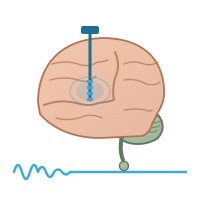
I have a movement disorder.
Parkinson's disease, essential tremor, or dystonia — and medications alone aren't doing enough.
Read what we offer →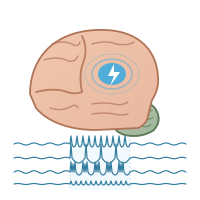
I have epilepsy or seizures.
Seizures that haven't fully responded to medications, and the question of whether surgery could help has come up.
Read what we offer →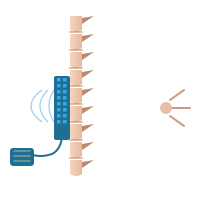
I have face pain or nerve pain.
Trigeminal neuralgia, occipital neuralgia, refractory back pain, CRPS, painful diabetic neuropathy, or refractory headache when other treatments haven't been enough.
Read what we offer →I had a stroke and my arm hasn't fully recovered.
An ischemic stroke 6+ months ago, with persistent arm or hand weakness — and you want to try something beyond standard rehabilitation.
Read what we offer →Cuatro razones comunes por las que las personas acuden a nosotros.
Elija la que corresponda. Cada enlace lleva a la sección de esta página que explica las afecciones que tratamos, los procedimientos que ofrecemos y cómo es el proceso.
Tengo un trastorno del movimiento.
Enfermedad de Parkinson, temblor esencial o distonía — y los medicamentos solos ya no son suficientes.
Vea lo que ofrecemos →Tengo epilepsia o crisis epilépticas.
Crisis epilépticas que no han respondido completamente a los medicamentos, y la pregunta de si una cirugía podría ayudar ya surgió.
Vea lo que ofrecemos →Tengo dolor facial o dolor en los nervios.
Neuralgia del trigémino, neuralgia occipital, dolor de espalda refractario, SRDC, neuropatía diabética dolorosa o migraña refractaria cuando otros tratamientos no han sido suficientes.
Vea lo que ofrecemos →Tuve un accidente cerebrovascular y mi brazo no se ha recuperado del todo.
Un accidente cerebrovascular isquémico hace 6 meses o más, con debilidad persistente en el brazo o la mano — y desea probar algo más allá de la rehabilitación estándar.
Vea lo que ofrecemos →Quatro razões comuns pelas quais as pessoas nos procuram.
Escolha a que melhor se aplica. Cada link leva à seção desta página que explica as condições que tratamos, os procedimentos que oferecemos e como é o processo.
Tenho um distúrbio do movimento.
Doença de Parkinson, tremor essencial ou distonia — e os medicamentos sozinhos não estão sendo suficientes.
Veja o que oferecemos →Tenho epilepsia ou crises epilépticas.
Crises epilépticas que não responderam completamente aos medicamentos, e a questão de se a cirurgia poderia ajudar já surgiu.
Veja o que oferecemos →Tenho dor facial ou dor nos nervos.
Neuralgia do trigêmeo, neuralgia occipital, dor lombar refratária, SDRC, neuropatia diabética dolorosa ou cefaleia refratária quando outros tratamentos não foram suficientes.
Veja o que oferecemos →Tive um AVC e meu braço não se recuperou completamente.
Um AVC isquêmico há 6 meses ou mais, com fraqueza persistente no braço ou na mão — e você quer tentar algo além da reabilitação padrão.
Veja o que oferecemos →Kat rezon komen pou ki moun vin jwenn nou.
Chwazi sa ki aplike pou ou. Chak lyen mennen nan seksyon paj sa a ki eksplike kondisyon nou trete, pwosedi nou ofri, ak sa chemen an sanble.
Mwen gen yon twoub mouvman.
Maladi Pakinson, tranbleman esansyèl, oswa distoni — epi medikaman sèlman pa sifi ankò.
Li sa nou ofri →Mwen gen epilepsi oswa kriz epileptik.
Kriz epileptik ki pa t reponn nèt ak medikaman, epi kesyon si yon operasyon ta ka ede a deja parèt.
Li sa nou ofri →Mwen gen doulè nan figi oswa doulè nan nè.
Nevralji trijemenal, nevralji oksipital, doulè do refraktè, SDRC, newopati dyabetik doulourèz, oswa migrèn refraktè lè lòt tretman pa t sifi.
Li sa nou ofri →Mwen te fè yon AVC epi bra mwen pa t rekipere nèt.
Yon AVC iskemik 6 mwa oswa plis de sa, ak fèblès pèsistan nan bra oswa men — epi ou vle eseye yon bagay plis pase reyabilitasyon estanda.
Li sa nou ofri →人们来找我们的四个常见原因。
选择最符合您情况的一项。每个链接跳转到本页说明我们所治疗的疾病、提供的手术方案以及诊疗流程的对应部分。
我有运动障碍。
帕金森病、特发性震颤或肌张力障碍——单靠药物已经不够。
了解我们提供的方案 →我有癫痫或癫痫发作。
癫痫发作对药物的反应不够充分,是否手术能有所帮助的问题已经提出。
了解我们提供的方案 →我有面部疼痛或神经痛。
三叉神经痛、枕神经痛、难治性背痛、CRPS、糖尿病性神经痛或难治性头痛,其他治疗方法均不够有效。
了解我们提供的方案 →我曾经历脑卒中(中风),手臂尚未完全康复。
缺血性脑卒中(中风)发生至今已 6 个月或以上,手臂或手部仍有持续性无力——您希望在标准康复训练之外尝试新的选择。
了解我们提供的方案 →Bốn lý do phổ biến khiến mọi người tìm đến chúng tôi.
Chọn lý do phù hợp với bạn. Mỗi liên kết sẽ dẫn đến phần trang này giải thích các bệnh chúng tôi điều trị, các thủ thuật chúng tôi cung cấp và quá trình điều trị trông như thế nào.
Tôi có rối loạn vận động.
Bệnh Parkinson, run vô căn, hoặc loạn trương lực cơ — và thuốc đơn thuần không còn đủ hiệu quả.
Xem những gì chúng tôi cung cấp →Tôi bị động kinh hoặc cơn động kinh.
Các cơn động kinh chưa đáp ứng đầy đủ với thuốc, và câu hỏi liệu phẫu thuật có thể giúp ích đã được đặt ra.
Xem những gì chúng tôi cung cấp →Tôi bị đau mặt hoặc đau thần kinh.
Đau dây thần kinh sinh ba, đau dây thần kinh chẩm, đau lưng kháng trị, CRPS, đau dây thần kinh do tiểu đường, hoặc đau đầu kháng trị khi các phương pháp điều trị khác không đủ hiệu quả.
Xem những gì chúng tôi cung cấp →Tôi đã bị đột quỵ và cánh tay chưa hồi phục hoàn toàn.
Đột quỵ thiếu máu cục bộ từ 6 tháng trở lên, với yếu cánh tay hoặc bàn tay kéo dài — và bạn muốn thử điều gì đó ngoài phục hồi chức năng tiêu chuẩn.
Xem những gì chúng tôi cung cấp →Четыре распространённые причины, по которым люди обращаются к нам.
Выберите ту, которая относится к вам. Каждая ссылка ведёт к разделу этой страницы, где объясняются заболевания, которые мы лечим, процедуры, которые мы предлагаем, и как выглядит этот путь.
У меня двигательное расстройство.
Болезнь Паркинсона, эссенциальный тремор или дистония — и одних лекарств уже недостаточно.
Узнайте, что мы предлагаем →У меня эпилепсия или эпилептические приступы.
Приступы, которые не поддаются полному контролю с помощью лекарств, и возник вопрос о том, может ли хирургия помочь.
Узнайте, что мы предлагаем →У меня боль в лице или нервная боль.
Невралгия тройничного нерва, невралгия затылочного нерва, рефрактерная боль в спине, КРБС, болезненная диабетическая нейропатия или рефрактерная головная боль, когда другие методы лечения оказались недостаточны.
Узнайте, что мы предлагаем →Я перенёс инсульт, и моя рука не восстановилась полностью.
Ишемический инсульт 6 и более месяцев назад со стойкой слабостью руки или кисти — и вы хотите попробовать что-то помимо стандартной реабилитации.
Узнайте, что мы предлагаем →أربعة أسباب شائعة تجعل الناس يأتون إلينا.
اختر السبب الذي ينطبق عليك. كل رابط يقودك إلى القسم المقابل في هذه الصفحة الذي يشرح الحالات التي نعالجها، والإجراءات التي نقدمها، وكيف يبدو المسار.
لدي اضطراب في الحركة.
داء باركنسون، أو الرعاش الأساسي، أو خلل التوتر العضلي — والأدوية وحدها لم تعد كافية.
اقرأ ما نقدمه →أعاني من الصرع أو نوبات الصرع.
نوبات لم تستجب بالكامل للأدوية، وقد طُرح سؤال ما إذا كانت الجراحة يمكن أن تساعد.
اقرأ ما نقدمه →أعاني من ألم في الوجه أو ألم في الأعصاب.
ألم العصب ثلاثي التوائم، أو ألم العصب القذالي، أو آلام الظهر المستعصية، أو CRPS، أو اعتلال الأعصاب السكري المؤلم، أو الصداع المستعصي عندما لم تكن العلاجات الأخرى كافية.
اقرأ ما نقدمه →أصبت بسكتة دماغية ولم تتعافَ ذراعي بالكامل.
سكتة دماغية إقفارية منذ 6 أشهر أو أكثر، مع ضعف مستمر في الذراع أو اليد — وتريد تجربة شيء يتخطى إعادة التأهيل القياسية.
اقرأ ما نقدمه →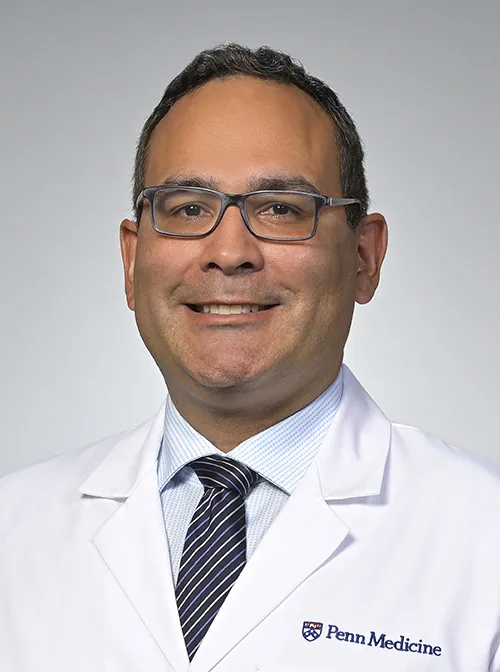
Dr. Iahn Cajigas, MD, PhD
Dr. Cajigas is a neurosurgeon at Penn Medicine. His field is functional and stereotactic neurosurgery. That is the kind of brain surgery used for movement disorders, epilepsy, and pain. He also removes brain tumors and cares for patients with head injuries. His clinic is at Pennsylvania Hospital in Center City Philadelphia. He also sees patients in Lancaster.
He studied medicine and research at Harvard University and MIT. He did his surgical training at the University of Miami and Jackson Memorial Hospital. He then spent an extra year at the University of California, San Francisco, learning surgery for epilepsy.
He is a member of the Penn Comprehensive Epilepsy Center and the Penn Movement Disorders Center. He also works closely with the Penn Comprehensive Stroke Center on nerve stimulation for stroke recovery. These centers evaluate patients as a team. Before anyone suggests surgery, you will usually meet three doctors together: a brain doctor (neurologist), a brain surgeon, and a doctor who focuses on your condition — seizures, movement, or stroke.
Dr. Iahn Cajigas, MD, PhD
El Dr. Cajigas es neurocirujano en Penn Medicine. Su campo es la neurocirugía funcional y estereotáctica. Es el tipo de cirugía del cerebro que se usa para los trastornos del movimiento, la epilepsia y el dolor. También extirpa tumores cerebrales y atiende a pacientes con lesiones en la cabeza. Su consulta está en el Pennsylvania Hospital, en el centro de Filadelfia. También atiende pacientes en Lancaster.
Estudió medicina e investigación en la Universidad de Harvard y el MIT. Hizo su formación quirúrgica en la Universidad de Miami y el Jackson Memorial Hospital. Después pasó un año más en la Universidad de California, San Francisco, aprendiendo cirugía para la epilepsia.
Es miembro del Penn Comprehensive Epilepsy Center y del Penn Movement Disorders Center, y trabaja estrechamente con el Penn Comprehensive Stroke Center en neuromodulación para la recuperación crónica tras un accidente cerebrovascular. Estos centros evalúan a los pacientes en equipo. Antes de que alguien le proponga una cirugía, lo habitual es que le vean tres médicos juntos: un médico del cerebro (neurólogo), un cirujano del cerebro y un médico centrado en su problema: crisis, movimiento o accidente cerebrovascular.
Dr. Iahn Cajigas, MD, PhD
O Dr. Cajigas é neurocirurgião na Penn Medicine. A área dele é a neurocirurgia funcional e estereotáxica. É o tipo de cirurgia do cérebro usado para distúrbios do movimento, epilepsia e dor. Ele também remove tumores cerebrais e cuida de pacientes com traumatismos na cabeça. A clínica dele fica no Pennsylvania Hospital, no centro de Filadélfia. Ele também atende pacientes em Lancaster.
Ele estudou medicina e pesquisa na Universidade de Harvard e no MIT. Fez sua formação cirúrgica na Universidade de Miami e no Jackson Memorial Hospital. Depois passou mais um ano na Universidade da Califórnia, em San Francisco, aprendendo cirurgia para epilepsia.
É membro do Penn Comprehensive Epilepsy Center e do Penn Movement Disorders Center, e trabalha em estreita colaboração com o Penn Comprehensive Stroke Center em neuromodulação para a recuperação crônica após um AVC. Esses centros avaliam os pacientes em equipe. Antes de alguém sugerir uma cirurgia, o normal é você ser atendido por três médicos juntos: um médico do cérebro (neurologista), um cirurgião do cérebro e um médico voltado para o seu problema: crises, movimento ou AVC.
Dr. Iahn Cajigas, MD, PhD
Doktè Cajigas se yon nerochirijyen nan Penn Medicine. Domèn li se nerochirijiri fonksyonèl ak estereyotaksik. Se kalite operasyon sèvo yo itilize pou twoub mouvman, epilepsi, ak doulè. Li retire timè nan sèvo tou, epi li pran swen pasyan ki gen blesi nan tèt. Klinik li a nan Pennsylvania Hospital, nan sant vil Philadelphia. Li wè pasyan nan Lancaster tou.
Li te etidye medsin ak rechèch nan Harvard University ak MIT. Li te fè fòmasyon chirijikal li nan University of Miami ak Jackson Memorial Hospital. Apre sa li te pase yon lòt ane nan University of California, San Francisco, ap aprann operasyon pou epilepsi.
Li se yon manm nan Penn Comprehensive Epilepsy Center ak Penn Movement Disorders Center, epi li travay byen pre avèk Penn Comprehensive Stroke Center sou neyomodilasyon pou rekiperasyon kwonik apre yon AVC. Sant sa yo evalye pasyan yo an ekip. Anvan yon moun pwopoze operasyon, nòmalman ou ap rankontre twa doktè ansanm: yon doktè sèvo (newològ), yon chirijyen sèvo, ak yon doktè ki konsantre sou pwoblèm ou an — kriz, mouvman, oswa AVC.
Iahn Cajigas 医生(MD, PhD)
Cajigas 医生是 Penn Medicine 的神经外科医生。他的方向是功能性与立体定向神经外科。这类脑部手术用于治疗运动障碍、癫痫和疼痛。他也做脑肿瘤切除手术,并照护头部外伤的患者。他的诊所位于费城市中心的 Pennsylvania Hospital。他在 Lancaster 也为患者看诊。
他在哈佛大学和麻省理工学院(MIT)学习医学与科研。他在迈阿密大学和杰克逊纪念医院完成了外科培训。之后他又在加州大学旧金山分校用一年时间,专门学习治疗癫痫的手术。
他是 Penn Comprehensive Epilepsy Center 和 Penn Movement Disorders Center 的成员,并与 Penn Comprehensive Stroke Center 紧密合作,开展针对慢性脑卒中后恢复的神经调控工作。这些中心以团队方式评估患者。在有人建议手术之前,通常会有三位医生一起为您看诊:一位脑科医生(神经科医生)、一位脑外科医生,以及一位专门针对您病情的医生——癫痫、运动障碍或脑卒中。
Bác sĩ Iahn Cajigas, MD, PhD
Bác sĩ Cajigas là bác sĩ phẫu thuật thần kinh tại Penn Medicine. Lĩnh vực của ông là phẫu thuật thần kinh chức năng và lập thể. Đây là loại phẫu thuật não dùng cho rối loạn vận động, động kinh và đau. Ông cũng phẫu thuật lấy u não và chăm sóc bệnh nhân bị chấn thương đầu. Phòng khám của ông ở Pennsylvania Hospital, tại trung tâm Philadelphia. Ông cũng khám cho bệnh nhân tại Lancaster.
Ông học y khoa và nghiên cứu tại Đại học Harvard và MIT. Ông được đào tạo phẫu thuật tại Đại học Miami và Bệnh viện Jackson Memorial. Sau đó ông học thêm một năm tại Đại học California, San Francisco, về phẫu thuật điều trị động kinh.
Ông là thành viên của Penn Comprehensive Epilepsy Center, Penn Movement Disorders Center, và cộng tác chặt chẽ với Penn Comprehensive Stroke Center về điều trị thần kinh cho phục hồi đột quỵ mạn tính. Các trung tâm này đánh giá bệnh nhân theo nhóm. Trước khi ai đó đề nghị phẫu thuật, thường sẽ có ba bác sĩ cùng khám cho bạn: một bác sĩ về não (bác sĩ thần kinh), một bác sĩ phẫu thuật não, và một bác sĩ chuyên về vấn đề của bạn — động kinh, vận động hoặc đột quỵ.
Доктор Иан Кахигас (MD, PhD)
Доктор Кахигас — нейрохирург Penn Medicine. Его направление — функциональная и стереотаксическая нейрохирургия. Это тот вид операций на мозге, который применяют при двигательных расстройствах, эпилепсии и боли. Он также удаляет опухоли головного мозга и лечит пациентов с черепно-мозговыми травмами. Его клиника находится в Pennsylvania Hospital, в центре Филадельфии. Он также принимает пациентов в Ланкастере.
Он изучал медицину и науку в Гарвардском университете и MIT. Хирургическую подготовку он прошёл в Университете Майами и госпитале Джексон Мемориал. Затем он провёл ещё один год в Калифорнийском университете в Сан-Франциско, обучаясь операциям при эпилепсии.
Он является членом Penn Comprehensive Epilepsy Center и Penn Movement Disorders Center, а также тесно сотрудничает с Penn Comprehensive Stroke Center по нейромодуляции для восстановления после хронического инсульта. Эти центры оценивают пациентов в команде. Прежде чем кто-то предложит операцию, вас обычно принимают три врача вместе: врач по мозгу (невролог), нейрохирург и врач по вашей проблеме — приступы, движение или инсульт.
الدكتور إيان كاهيغاس (MD, PhD)
الدكتور كاهيغاس جراح أعصاب في Penn Medicine. مجاله هو جراحة الأعصاب الوظيفية والتجسيمية. وهي نوع جراحة الدماغ التي تُستخدم لاضطرابات الحركة والصرع والألم. كما يجري عمليات استئصال أورام الدماغ ويعتني بالمرضى المصابين بإصابات في الرأس. تقع عيادته في Pennsylvania Hospital في وسط مدينة فيلادلفيا. كما يستقبل المرضى في لانكاستر.
درس الطب والبحث العلمي في جامعة هارفارد ومعهد MIT. وتلقّى تدريبه الجراحي في جامعة ميامي ومستشفى جاكسون ميموريال. ثم أمضى عاماً إضافياً في جامعة كاليفورنيا، سان فرانسيسكو، يتعلّم جراحة الصرع.
هو عضو في Penn Comprehensive Epilepsy Center وPenn Movement Disorders Center، ويتعاون عن كثب مع Penn Comprehensive Stroke Center في مجال التعديل العصبي للتعافي من السكتة الدماغية المزمنة. تقيّم هذه المراكز المرضى بشكل جماعي. وقبل أن يقترح أحد إجراء جراحة، يراك عادةً ثلاثة أطباء معاً: طبيب دماغ (طبيب أعصاب)، وجرّاح دماغ، وطبيب متخصص في حالتك — النوبات أو الحركة أو السكتة الدماغية.
Movement disorders: Parkinson’s disease, essential tremor, dystonia.
If your hands shake, your body stiffens, you have unwanted movements, or your medications have stopped working, surgery is sometimes an option. We don’t offer surgery as a first step — we work with the neurologists at the Penn Movement Disorders Center to make sure it’s the right next step for you. The right operation depends on the condition, the symptoms that bother you most, and what you can tolerate.
Conditions we treat
- Parkinson’s disease — for tremor, stiffness, slowness, and medication-related involuntary movements (dyskinesia).
- Essential tremor — when medications have stopped controlling the shaking.
- Dystonia — generalized, focal (cervical, blepharospasm), and severe acute episodes (status dystonicus).
Procedures we offer
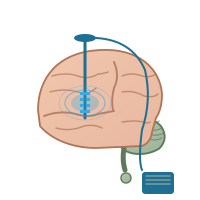
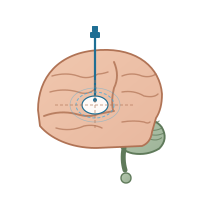
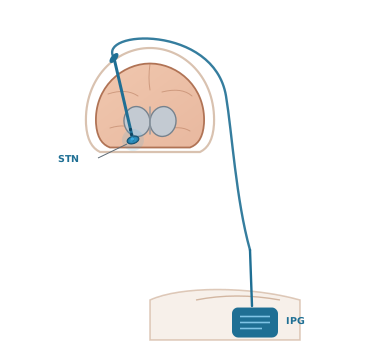
- Deep brain stimulation (DBS) — a thin wire is placed in a specific brain area and connected to a small pacemaker-like device under the skin. The settings can be adjusted in clinic over time. The brain target depends on what you have:
- For Parkinson’s disease: subthalamic nucleus (STN) or internal globus pallidus (GPi)
- For essential tremor: ventral intermediate nucleus of the thalamus (VIM)
- For dystonia: GPi or STN — full FDA approval (Medtronic) for chronic, intractable primary dystonia, including generalized, segmental, and cervical dystonia in adults, and primary generalized dystonia in patients age 12 and older
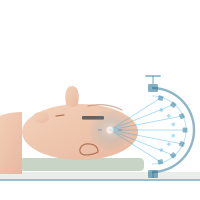
- MR-guided focused ultrasound (MRgFUS) — sound waves are focused through the skull to create a small lesion in a single session. No incision, no implant.
- For essential tremor: unilateral thalamotomy (FDA-approved 2016)
- For tremor-dominant Parkinson’s: unilateral thalamotomy (2018), expanded in 2021 to also address mobility, rigidity, and dyskinesia
- For advanced Parkinson’s: staged bilateral pallidothalamic tractotomy (FDA-approved 2025; the second side is treated at least nine months after the first)
- Gamma Knife radiosurgery (stereotactic radiosurgery) — focused radiation through a fitted frame, no incision. Used as an alternative when DBS or MRgFUS aren’t feasible (for example, patients on blood thinners, with bleeding risk, or who cannot tolerate surgery). The tremor benefit develops gradually over months.
- Laser interstitial thermal therapy (LITT) — minimally invasive MRI-guided ablation through a small skull opening. Used in select cases where a focal lesion is preferred over a stimulator (for example, status dystonicus or when DBS hardware can’t be tolerated). Less commonly used for movement disorders than for epilepsy.
Four ways to treat severe tremor: at a glance.
For essential tremor, and for tremor-predominant Parkinson's disease, several surgical options exist. They share one goal — reaching the same small target deep in the brain (the VIM, a nucleus in the lateral thalamus) — but differ in how they get there: how invasive it is, how fast it works, whether it can be adjusted later, and which patients it suits. The table below is a starting point for the conversation, not a decision. The right choice depends on your specific situation, and we work through it with you in clinic.
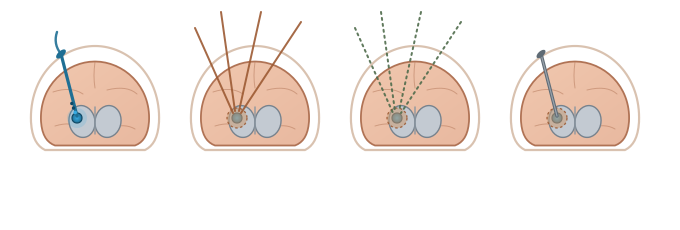
| Deep brain stimulation (DBS) | MR-guided focused ultrasound (MRgFUS) | Stereotactic radiosurgery (Gamma Knife) | Laser thalamotomy (LITT) | |
|---|---|---|---|---|
| What we do | Place a thin wire into the VIM area of the thalamus and connect it to a small pacemaker-like device under the skin. | Use focused sound waves through the skull to make a small lesion in the same brain target. No incision, no implant. | Use focused radiation through a fitted frame to make a small lesion in the same brain target. No incision, no implant. | Pass a thin laser fiber through a few-millimeter skull opening to the same brain target and, watched in real time on MRI, use heat to make a small lesion. No permanent implant. |
| Incision and hardware | Yes. Small scalp incisions and a chest incision for the device. | No incision. No implant. | No incision. No implant. | A small scalp incision and a few-millimeter skull opening. No permanent implant. |
| Anesthesia | Often awake for the test portion (so we can confirm the lead is in the right spot), then asleep for the device implant. | Awake throughout, in the MRI scanner. | Awake throughout. The frame is placed under local anesthesia. | Asleep (general anesthesia). |
| Hospital stay | One to two nights. | Same day. Most patients go home that evening. | Same day. Most patients go home that evening. | One to two nights. |
| One side or both? | Both sides can be treated, in the same operation or staged. | Approved for staged bilateral treatment, with the second side at least nine months after the first (FDA, 2022). | Usually one side only. Bilateral Gamma Knife thalamotomy is rarely offered. | One site at a time. |
| When does the benefit appear? | Immediately on the operating table when the lead is tested, then refined over the first six months as the device is programmed. | Immediately, on the table, in the MRI scanner. | Gradually, over three to six months. | Immediately, once the lesion is made. No programming needed. |
| Can it be adjusted later? | Yes. Settings are changed in clinic over time, and can be fine-tuned as your tremor changes. | No. The lesion is permanent. | No. The lesion is permanent. | No. The lesion is permanent. |
| Long-term considerations | Battery replacement every several years, and ongoing programming visits. Some patients see a gradual loss of tremor benefit over years (called habituation), which can sometimes be managed by reprogramming. | A single permanent treatment. Some patients see a partial return of tremor over years. | A single permanent treatment. Less long-term data than DBS or MRgFUS. | A single permanent treatment. As a newer image-guided approach, LITT has less long-term tremor-outcome data than radiofrequency (RF) thalamotomy, the original lesioning method. |
| If you take blood thinners | Blood thinners must be held before surgery. May not be appropriate if they cannot be safely held. | Often suitable, since there is no incision. | Often suitable, since there is no incision. | Must be held before the procedure, since it involves a scalp incision and a small skull opening. |
| FDA approval for essential tremor | 1997 (DBS of the VIM thalamus). | 2016 (unilateral). 2022 (staged bilateral, second side at nine months or later). | Used as an alternative when DBS and MRgFUS are not feasible. Performed under the broader FDA clearance for stereotactic radiosurgery. | Offered in select cases when MRgFUS is not a good fit (for example, skull anatomy). Performed under the FDA clearance for laser ablation of brain tissue. |
Radiofrequency (RF) thalamotomy, the original lesional approach to tremor, is not currently offered at Penn. In modern practice it has been largely replaced by MRgFUS, Gamma Knife, and LITT, which can produce similar tremor benefit using less invasive or more precisely controlled approaches.
Risk and complication profiles for each of these procedures are part of the in-person discussion in clinic. They depend on your individual anatomy, medical history, and goals, and we walk through them with you before any procedure is recommended.
Trastornos del movimiento: enfermedad de Parkinson, temblor esencial, distonía.
Si sus manos tiemblan, su cuerpo se pone rígido, tiene movimientos involuntarios o sus medicamentos han dejado de funcionar, la cirugía es a veces una opción. No ofrecemos cirugía como primer paso — trabajamos con los neurólogos del Centro de Trastornos del Movimiento de Penn para asegurarnos de que sea el siguiente paso correcto para usted. La operación adecuada depende de la afección, los síntomas que más le molestan y lo que usted puede tolerar.
Afecciones que tratamos
- Enfermedad de Parkinson — para el temblor, la rigidez, la lentitud y los movimientos involuntarios relacionados con los medicamentos (discinesia).
- Temblor esencial — cuando los medicamentos han dejado de controlar el temblor.
- Distonía — generalizada, focal (cervical, blefarospasmo) y episodios agudos graves (status dystonicus).
Procedimientos que ofrecemos
- Estimulación cerebral profunda (DBS) — se coloca un cable delgado (electrodo) en una zona específica del cerebro y se conecta a un pequeño dispositivo similar a un marcapasos debajo de la piel. Los ajustes pueden modificarse en la consulta con el tiempo. El objetivo cerebral depende de su afección:
- Para la enfermedad de Parkinson: núcleo subtalámico (STN) o globo pálido interno (GPi)
- Para el temblor esencial: núcleo ventral intermedio del tálamo (VIM)
- Para la distonía: GPi o STN — aprobación completa de la FDA (Medtronic) para distonía primaria crónica e intratable, incluyendo distonía generalizada, segmentaria y cervical en adultos, y distonía generalizada primaria en pacientes de 12 años o más
- Ultrasonido focalizado guiado por resonancia magnética (MRgFUS) — ondas de sonido enfocadas a través del cráneo para crear una pequeña lesión en una sola sesión. Sin incisión, sin implante.
- Para el temblor esencial: talamotomía unilateral (aprobada por la FDA en 2016)
- Para el Parkinson con predominio de temblor: talamotomía unilateral (2018), ampliada en 2021 para tratar también la movilidad, la rigidez y la discinesia
- Para el Parkinson avanzado: tractotomía palidotalámica bilateral por etapas (aprobada por la FDA en 2025; el segundo lado se trata al menos nueve meses después del primero)
- Radiocirugía con gamma knife (radiocirugía estereotáctica) — radiación enfocada a través de un marco ajustado, sin incisión. Se usa como alternativa cuando el DBS o el MRgFUS no son viables (por ejemplo, pacientes que toman anticoagulantes, con riesgo de hemorragia o que no pueden tolerar la cirugía). El beneficio sobre el temblor se desarrolla gradualmente a lo largo de meses.
- Ablación con láser (LITT) — ablación mínimamente invasiva guiada por RM a través de una pequeña apertura en el cráneo. Se usa en casos seleccionados en los que se prefiere una lesión focal a un estimulador (por ejemplo, status dystonicus o cuando el hardware del DBS no puede tolerarse). Se usa con menos frecuencia para los trastornos del movimiento que para la epilepsia.
Cuatro formas de tratar el temblor grave: de un vistazo.
Para el temblor esencial, y para la enfermedad de Parkinson con predominio de temblor, existen varias opciones quirúrgicas. Todas buscan lo mismo —llegar al mismo pequeño blanco en lo profundo del cerebro (el VIM, un núcleo en la parte lateral del tálamo)— pero se diferencian en cómo lo logran: qué tan invasiva es, con qué rapidez actúa, si puede ajustarse más adelante y a qué pacientes conviene. La tabla siguiente es un punto de partida para la conversación, no una decisión. La elección correcta depende de su situación específica, y la analizamos con usted en la consulta.
| Estimulación cerebral profunda (DBS) | Ultrasonido focalizado guiado por resonancia magnética (MRgFUS) | Radiocirugía estereotáctica (Gamma Knife) | Talamotomía con láser (LITT) | |
|---|---|---|---|---|
| Qué hacemos | Colocamos un cable delgado en la zona VIM del tálamo y lo conectamos a un pequeño dispositivo similar a un marcapasos bajo la piel. | Usamos ondas de sonido focalizadas a través del cráneo para crear una pequeña lesión en el mismo blanco cerebral. Sin incisión, sin implante. | Usamos radiación focalizada a través de un marco ajustado para crear una pequeña lesión en el mismo blanco cerebral. Sin incisión, sin implante. | Se pasa una fina fibra de láser por una pequeña abertura en el cráneo (unos pocos milímetros) hasta el mismo blanco cerebral y, con seguimiento en tiempo real por resonancia magnética, se usa calor para crear una pequeña lesión. Sin implante permanente. |
| Incisión y dispositivos | Sí. Pequeñas incisiones en el cuero cabelludo y una incisión en el pecho para el dispositivo. | Sin incisión. Sin implante. | Sin incisión. Sin implante. | Una pequeña incisión en el cuero cabelludo y una pequeña abertura en el cráneo (unos pocos milímetros). Sin implante permanente. |
| Anestesia | A menudo despierto durante la parte de prueba (para confirmar que el electrodo está en el lugar correcto), y luego dormido para el implante del dispositivo. | Despierto durante todo el procedimiento, dentro del escáner de resonancia magnética. | Despierto durante todo el procedimiento. El marco se coloca con anestesia local. | Dormido (anestesia general). |
| Estancia hospitalaria | Una o dos noches. | El mismo día. La mayoría de los pacientes regresa a casa esa misma noche. | El mismo día. La mayoría de los pacientes regresa a casa esa misma noche. | Una a dos noches. |
| ¿Un lado o ambos? | Se pueden tratar ambos lados, en la misma operación o por etapas. | Aprobado para tratamiento bilateral por etapas, con el segundo lado al menos nueve meses después del primero (FDA, 2022). | Por lo general, un solo lado. La talamotomía bilateral con Gamma Knife rara vez se ofrece. | Un lado por vez. |
| ¿Cuándo aparece el beneficio? | De inmediato, en la mesa de operaciones cuando se prueba el electrodo, y luego se refina durante los primeros seis meses a medida que se programa el dispositivo. | De inmediato, en la mesa, dentro del escáner de resonancia magnética. | De forma gradual, a lo largo de tres a seis meses. | De inmediato, una vez creada la lesión. No requiere programación. |
| ¿Se puede ajustar después? | Sí. Los ajustes se modifican en la consulta con el tiempo y pueden afinarse a medida que cambia su temblor. | No. La lesión es permanente. | No. La lesión es permanente. | No. La lesión es permanente. |
| Consideraciones a largo plazo | Reemplazo de la batería cada varios años y visitas de programación continuas. Algunos pacientes presentan una pérdida gradual del beneficio sobre el temblor con los años (llamada habituación), que a veces puede manejarse reprogramando el dispositivo. | Un único tratamiento permanente. Algunos pacientes presentan un retorno parcial del temblor con los años. | Un único tratamiento permanente. Menos datos a largo plazo que con DBS o MRgFUS. | Un único tratamiento permanente. Por ser un enfoque guiado por imagen más nuevo, la LITT tiene menos datos de resultados a largo plazo sobre el temblor que la talamotomía por radiofrecuencia (RF), el método lesional original. |
| Si toma anticoagulantes | Los anticoagulantes deben suspenderse antes de la cirugía. Puede no ser apropiado si no pueden suspenderse de forma segura. | A menudo adecuado, ya que no hay incisión. | A menudo adecuado, ya que no hay incisión. | Deben suspenderse antes del procedimiento, ya que implica una incisión en el cuero cabelludo y una pequeña abertura en el cráneo. |
| Aprobación de la FDA para el temblor esencial | 1997 (DBS del tálamo VIM). | 2016 (unilateral). 2022 (bilateral por etapas, segundo lado a los nueve meses o más). | Se usa como alternativa cuando el DBS y el MRgFUS no son viables. Se realiza bajo la autorización más amplia de la FDA para radiocirugía estereotáctica. | Se ofrece en casos seleccionados cuando el MRgFUS no es una buena opción (por ejemplo, por la anatomía craneal). Se realiza bajo la autorización de la FDA para la ablación de tejido cerebral con láser. |
La talamotomía por radiofrecuencia (RF), el enfoque lesional original para el temblor, no se ofrece actualmente en Penn. En la práctica moderna ha sido reemplazada en gran medida por el MRgFUS, el Gamma Knife y la LITT, que pueden producir un beneficio similar sobre el temblor mediante enfoques menos invasivos o controlados con mayor precisión.
Los perfiles de riesgos y complicaciones de cada uno de estos procedimientos forman parte de la conversación en persona en la consulta. Dependen de su anatomía individual, su historial médico y sus objetivos, y los analizamos con usted antes de recomendar cualquier procedimiento.
Distúrbios do movimento: doença de Parkinson, tremor essencial, distonia.
Se suas mãos tremem, seu corpo fica rígido, você tem movimentos involuntários ou seus medicamentos pararam de funcionar, a cirurgia é às vezes uma opção. Não oferecemos cirurgia como primeiro passo — trabalhamos com os neurologistas do Centro de Distúrbios do Movimento da Penn para garantir que seja o próximo passo certo para você. A operação adequada depende da condição, dos sintomas que mais o incomodam e do que você pode tolerar.
Condições que tratamos
- Doença de Parkinson — para tremor, rigidez, lentidão e movimentos involuntários relacionados a medicamentos (discinesia).
- Tremor essencial — quando os medicamentos pararam de controlar o tremor.
- Distonia — generalizada, focal (cervical, blefarospasmo) e episódios agudos graves (status dystonicus).
Procedimentos que oferecemos
- Estimulação cerebral profunda (DBS) — um cabo fino (eletrodo) é colocado em uma área específica do cérebro e conectado a um pequeno dispositivo semelhante a um marca-passo sob a pele. Os ajustes podem ser modificados na consulta ao longo do tempo. O alvo cerebral depende da sua condição:
- Para a doença de Parkinson: núcleo subtalâmico (STN) ou globo pálido interno (GPi)
- Para o tremor essencial: núcleo ventral intermediário do tálamo (VIM)
- Para a distonia: GPi ou STN — aprovação completa da FDA (Medtronic) para distonia primária crônica e intratável, incluindo distonia generalizada, segmentar e cervical em adultos, e distonia generalizada primária em pacientes a partir de 12 anos
- Ultrassom focalizado guiado por ressonância magnética (MRgFUS) — ondas sonoras são focalizadas através do crânio para criar uma pequena lesão em uma única sessão. Sem incisão, sem implante.
- Para o tremor essencial: talamotomia unilateral (aprovada pela FDA em 2016)
- Para Parkinson com predominância de tremor: talamotomia unilateral (2018), ampliada em 2021 para tratar também mobilidade, rigidez e discinesia
- Para Parkinson avançado: tractotomia palidotalâmica bilateral por etapas (aprovada pela FDA em 2025; o segundo lado é tratado pelo menos nove meses após o primeiro)
- Radiocirurgia com gamma knife (radiocirurgia estereotáxica) — radiação focalizada por meio de um halo estereotáxico, sem incisão. Usada como alternativa quando DBS ou MRgFUS não são viáveis (por exemplo, pacientes em uso de anticoagulantes, com risco de sangramento ou que não toleram cirurgia). O benefício sobre o tremor se desenvolve gradualmente ao longo de meses.
- Ablação a laser (LITT) — ablação minimamente invasiva guiada por RM através de uma pequena abertura no crânio. Usada em casos selecionados nos quais se prefere uma lesão focal a um estimulador (por exemplo, status dystonicus ou quando o hardware do DBS não pode ser tolerado). Menos utilizada para distúrbios do movimento do que para epilepsia.
Quatro formas de tratar o tremor grave: em resumo.
Para o tremor essencial e para a doença de Parkinson com predomínio de tremor, existem várias opções cirúrgicas. Todas buscam o mesmo objetivo —alcançar o mesmo pequeno alvo nas profundezas do cérebro (o VIM, um núcleo na parte lateral do tálamo)— mas diferem em como chegam até ele: o quão invasiva é, com que rapidez age, se pode ser ajustada depois e para quais pacientes é mais indicada. A tabela abaixo é um ponto de partida para a conversa, não uma decisão. A escolha certa depende da sua situação específica, e a analisamos com você na consulta.
| Estimulação cerebral profunda (DBS) | Ultrassom focalizado guiado por ressonância magnética (MRgFUS) | Radiocirurgia estereotáxica (Gamma Knife) | Talamotomia a laser (LITT) | |
|---|---|---|---|---|
| O que fazemos | Colocamos um fio fino na região VIM do tálamo e o conectamos a um pequeno dispositivo semelhante a um marca-passo sob a pele. | Usamos ondas sonoras focalizadas através do crânio para criar uma pequena lesão no mesmo alvo cerebral. Sem incisão, sem implante. | Usamos radiação focalizada através de uma armação ajustada para criar uma pequena lesão no mesmo alvo cerebral. Sem incisão, sem implante. | Passa-se uma fina fibra de laser por uma pequena abertura no crânio (alguns milímetros) até o mesmo alvo cerebral e, com acompanhamento em tempo real por ressonância magnética, usa-se calor para criar uma pequena lesão. Sem implante permanente. |
| Incisão e dispositivos | Sim. Pequenas incisões no couro cabeludo e uma incisão no peito para o dispositivo. | Sem incisão. Sem implante. | Sem incisão. Sem implante. | Uma pequena incisão no couro cabeludo e uma pequena abertura no crânio (alguns milímetros). Sem implante permanente. |
| Anestesia | Frequentemente acordado durante a parte de teste (para confirmarmos que o eletrodo está no lugar certo) e, depois, dormindo para o implante do dispositivo. | Acordado durante todo o procedimento, dentro do aparelho de ressonância magnética. | Acordado durante todo o procedimento. A armação é colocada sob anestesia local. | Dormindo (anestesia geral). |
| Internação hospitalar | Uma a duas noites. | No mesmo dia. A maioria dos pacientes vai para casa naquela noite. | No mesmo dia. A maioria dos pacientes vai para casa naquela noite. | Uma a duas noites. |
| Um lado ou ambos? | Ambos os lados podem ser tratados, na mesma cirurgia ou em etapas. | Aprovado para tratamento bilateral em etapas, com o segundo lado pelo menos nove meses após o primeiro (FDA, 2022). | Geralmente apenas um lado. A talamotomia bilateral por Gamma Knife raramente é oferecida. | Um lado por vez. |
| Quando o benefício aparece? | Imediatamente, na mesa de cirurgia quando o eletrodo é testado, e depois refinado ao longo dos primeiros seis meses, conforme o dispositivo é programado. | Imediatamente, na mesa, dentro do aparelho de ressonância magnética. | Gradualmente, ao longo de três a seis meses. | Imediatamente, assim que a lesão é criada. Não requer programação. |
| Pode ser ajustado depois? | Sim. Os ajustes são alterados na consulta ao longo do tempo e podem ser refinados conforme o seu tremor muda. | Não. A lesão é permanente. | Não. A lesão é permanente. | Não. A lesão é permanente. |
| Considerações de longo prazo | Troca da bateria a cada vários anos e visitas contínuas de programação. Alguns pacientes apresentam perda gradual do benefício sobre o tremor ao longo dos anos (chamada habituação), que às vezes pode ser controlada com a reprogramação. | Um único tratamento permanente. Alguns pacientes apresentam um retorno parcial do tremor ao longo dos anos. | Um único tratamento permanente. Menos dados de longo prazo do que DBS ou MRgFUS. | Um único tratamento permanente. Por ser uma abordagem guiada por imagem mais recente, a LITT tem menos dados de resultados de longo prazo sobre o tremor do que a talamotomia por radiofrequência (RF), o método lesional original. |
| Se você toma anticoagulantes | Os anticoagulantes precisam ser suspensos antes da cirurgia. Pode não ser apropriado se não puderem ser suspensos com segurança. | Frequentemente adequado, já que não há incisão. | Frequentemente adequado, já que não há incisão. | Devem ser suspensos antes do procedimento, pois ele envolve uma incisão no couro cabeludo e uma pequena abertura no crânio. |
| Aprovação da FDA para o tremor essencial | 1997 (DBS do tálamo VIM). | 2016 (unilateral). 2022 (bilateral em etapas, segundo lado aos nove meses ou mais). | Usado como alternativa quando o DBS e o MRgFUS não são viáveis. Realizado sob a autorização mais ampla da FDA para radiocirurgia estereotáxica. | Oferecida em casos selecionados quando o MRgFUS não é uma boa opção (por exemplo, pela anatomia craniana). Realizada sob a autorização da FDA para ablação de tecido cerebral a laser. |
A talamotomia por radiofrequência (RF), a abordagem lesional original para o tremor, não é oferecida atualmente em Penn. Na prática moderna, foi amplamente substituída pelo MRgFUS, pelo Gamma Knife e pela LITT, que podem produzir benefício semelhante sobre o tremor com abordagens menos invasivas ou controladas com maior precisão.
Os perfis de riscos e complicações de cada um desses procedimentos fazem parte da conversa presencial na consulta. Eles dependem da sua anatomia individual, do seu histórico médico e dos seus objetivos, e os percorremos com você antes de recomendar qualquer procedimento.
Twoub mouvman: Maladi Pakinson, tranbleman esansyèl, distoni.
Si men ou tranble, kò ou rèd, ou gen mouvman envólontè, oswa medikaman ou yo sispann mache, operasyon se pafwa yon opsyon. Nou pa ofri operasyon kòm premye etap — nou travay avèk newològ yo nan Sant Twoub Mouvman Penn pou asire ke se bon pwochen etap pou ou. Operasyon ki apwopriye a depann de kondisyon an, sentòm ki deranje ou plis, ak sa ou ka tolere.
Kondisyon nou trete
- Maladi Pakinson — pou tranbleman, rèdè, lentè, ak mouvman envólontè ki lye ak medikaman (diskinezi).
- Tranbleman esansyèl — lè medikaman yo sispann kontwole tranbleman an.
- Distoni — jeneralize, fokal (sèvikal, blefarospasm), ak episòd egzèsis grav (status dystonicus).
Pwosedi nou ofri
- Estimilasyon serebral pwofon (DBS) — yon fil elektwòd yo mete nan yon zòn espesifik nan sèvo epi konekte ak yon ti aparèy ki sanble ak yon pacemaker anba po a. Yo ka ajiste paramèt yo nan klinik avèk tan. Sib sèvo a depann de sa ou genyen:
- Pou Maladi Pakinson: nikilèy subtalamik (STN) oswa globus pallidus entèn (GPi)
- Pou tranbleman esansyèl: nikilèy entèmedyè ventral nan talamus (VIM)
- Pou distoni: GPi oswa STN — apwobasyon konplè FDA (Medtronic) pou distoni primè kronik ak entraktab, ki gen ladan distoni jeneralize, segmantè ak sèvikal nan adilt, ak distoni jeneralize primè nan pasyan pati 12 an
- Iltrason fokalize gide pa IRM (MRgFUS) — ond son yo fokalize atravè zo tèt la pou kreye yon ti lezyon nan yon sèl seyans. Pa gen koupe, pa gen enplan.
- Pou tranbleman esansyèl: talamotomi unilateral (FDA apwouve 2016)
- Pou Parkinson dominan tranbleman: talamotomi unilateral (2018), elaji an 2021 pou trete mobilite, rèdè ak diskinezi tou
- Pou Parkinson avanse: tractotomi palidotalamik bilateral pa etap (FDA apwouve 2025; dezyèm kote a trete omwen nèf mwa apre premye a)
- Radiochiriji gamma knife (radiochiriji stereyotaksik) — radyasyon fokalize atravè yon kad ki adapte, pa gen koupe. Itilize kòm altènatif lè DBS oswa MRgFUS pa posib (pa egzanp, pasyan ki pran antikogilan, avèk risk senyen, oswa ki pa ka tolere operasyon). Benefis sou tranbleman an devlope piti piti sou plizyè mwa.
- Ablasyon ak laze (LITT) — ablasyon minimèman envazif gide pa IRM atravè yon ti ouvèti nan zo tèt la. Itilize nan ka seleksyone kote yo prefere yon lezyon fokal pito pase yon estimilatè (pa egzanp, status dystonicus oswa lè ekipman DBS pa ka tolere). Mwens itilize pou twoub mouvman pase pou epilepsi.
Kat fason pou trete tranbleman grav: an rezime.
Pou tranbleman esansyèl, ak pou maladi Pakinson kote tranbleman an domine, gen plizyè opsyon chirijikal. Yo tout vize menm bagay la —rive nan menm ti sib la fon nan sèvo a (VIM, yon nwayo nan pati lateral talamis la)— men yo diferan nan fason yo rive la: konbyen li anvazif, konbyen vit li travay, èske yo ka ajiste l pita, epi ki pasyan li bon pou yo. Tablo anba a se yon pwen depa pou konvèsasyon an, se pa yon desizyon. Bon chwa a depann de sitiyasyon espesifik ou, epi nou egzamine l avè w nan klinik la.
| Estimilasyon pwofon nan sèvo (DBS) | Iltrason konsantre ki gide pa rezonans mayetik (MRgFUS) | Radyochiriji esterotaktik (Gamma Knife) | Talamotomi ak lazè (LITT) | |
|---|---|---|---|---|
| Sa nou fè | Nou mete yon fil fen nan zòn VIM nan talamis la epi konekte l ak yon ti aparèy ki tankou yon pacemaker anba po a. | Nou itilize vag son konsantre atravè zo bwa tèt la pou fè yon ti lezyon nan menm sib sèvo a. San koupe, san enplan. | Nou itilize radyasyon konsantre atravè yon kad ki byen ajiste pou fè yon ti lezyon nan menm sib sèvo a. San koupe, san enplan. | Yo pase yon fen fib lazè nan yon ti ouvèti nan zo bwa tèt la (kèk milimèt) jis nan menm sib sèvo a epi, ak swivi an tan reyèl ak rezonans mayetik, yo sèvi ak chalè pou kreye yon ti lezyon. Pa gen okenn enplan pèmanan. |
| Koupe ak aparèy | Wi. Ti koupe nan po tèt la ak yon koupe nan pwatrin pou aparèy la. | San koupe. San enplan. | San koupe. San enplan. | Yon ti koupe nan po tèt la ak yon ti ouvèti nan zo bwa tèt la (kèk milimèt). Pa gen okenn enplan pèmanan. |
| Anestezi | Souvan ou reveye pandan pati tès la (pou nou ka konfime fil la nan bon kote a), apre sa ou dòmi pou enplante aparèy la. | Ou reveye pandan tout tan an, anndan machin rezonans mayetik la. | Ou reveye pandan tout tan an. Yo mete kad la avèk anestezi lokal. | Andòmi (anestezi jeneral). |
| Sejou lopital | Yon a de nwit. | Menm jou a. Pifò pasyan ale lakay yo aswè a. | Menm jou a. Pifò pasyan ale lakay yo aswè a. | Youn a de nwit. |
| Yon bò oswa toulède? | Yo ka trete toulède bò yo, nan menm operasyon an oswa an etap. | Apwouve pou tretman bilateral an etap, ak dezyèm bò a omwen nèf mwa apre premye a (FDA, 2022). | Anjeneral yon sèl bò. Yo raman ofri talamotomi bilateral ak Gamma Knife. | Yon kote alafwa. |
| Kilè benefis la parèt? | Imedyatman sou tab operasyon an lè yo teste fil la, apre sa li rafine pandan sis premye mwa yo pandan y ap pwograme aparèy la. | Imedyatman, sou tab la, anndan machin rezonans mayetik la. | Tikras pa tikras, pandan twa a sis mwa. | Imedyatman, depi lezyon an fèt. Pa bezwen pwogramasyon. |
| Èske yo ka ajiste l pita? | Wi. Yo chanje paramèt yo nan klinik la avèk tan, epi yo ka rafine yo pandan tranbleman ou chanje. | Non. Lezyon an pèmanan. | Non. Lezyon an pèmanan. | Non. Lezyon an pèmanan. |
| Konsiderasyon alontèm | Ranplasman batri chak plizyè ane, ak vizit pwogramasyon kontinyèl. Kèk pasyan wè yon pèt gradyèl benefis sou tranbleman an avèk ane yo (yo rele sa abitiyasyon), ke pafwa yo ka jere lè yo repwograme l. | Yon sèl tretman pèmanan. Kèk pasyan wè tranbleman an retounen yon ti jan avèk ane yo. | Yon sèl tretman pèmanan. Mwens done alontèm pase DBS oswa MRgFUS. | Yon sèl tretman pèmanan. Kòm li se yon apwòch ki pi nouvo gide pa imaj, LITT gen mwens done sou rezilta alontèm pou tranbleman pase talamotomi radyofrekans (RF), metòd lezyonèl orijinal la. |
| Si w ap pran anti-kowagilan | Yo dwe sispann anti-kowagilan yo anvan operasyon an. Li ka pa apwopriye si yo pa ka sispann yo san danje. | Souvan apwopriye, paske pa gen koupe. | Souvan apwopriye, paske pa gen koupe. | Yo dwe sispann yo anvan pwosedi a, paske li gen yon koupe nan po tèt la ak yon ti ouvèti nan zo bwa tèt la. |
| Apwobasyon FDA pou tranbleman esansyèl | 1997 (DBS nan talamis VIM la). | 2016 (yon sèl bò). 2022 (bilateral an etap, dezyèm bò a nan nèf mwa oswa plis). | Yo itilize l kòm yon altènativ lè DBS ak MRgFUS pa posib. Yo fè l anba otorizasyon FDA ki pi laj pou radyochiriji esterotaktik. | Yo ofri l nan kèk ka chwazi lè MRgFUS pa yon bon chwa (pa egzanp, akòz anatomi zo tèt la). Yo fè l anba otorizasyon FDA pou ablasyon tisi sèvo ak lazè. |
Talamotomi radyofrekans (RF), apwòch lezyonèl orijinal pou tranbleman an, pa ofri nan Penn kounye a. Nan pratik modèn, MRgFUS, Gamma Knife, ak LITT ranplase l an gwo, paske yo ka pwodui benefis ki sanble sou tranbleman an avèk apwòch ki mwens anvazif oswa ki kontwole pi presizyon.
Pwofil risk ak konplikasyon pou chak nan pwosedi sa yo fè pati konvèsasyon an pèsòn nan klinik la. Yo depann de anatomi endividyèl ou, istwa medikal ou, ak objektif ou, epi nou pase nan yo avè w anvan nou rekòmande nenpòt pwosedi.
运动障碍:帕金森病、特发性震颤、肌张力障碍。
如果您的手部颤抖、身体僵硬、出现不自主运动,或药物已失去效果,手术有时是一种选择。我们不会将手术作为第一步——我们与 Penn 运动障碍中心的神经科医生合作,确认手术是否适合您。合适的手术方式取决于您的具体病情、最困扰您的症状以及您的耐受能力。
我们治疗的疾病
- 帕金森病 — 针对震颤、僵硬、行动迟缓以及药物引起的不自主运动(异动症)。
- 特发性震颤 — 药物已无法控制震颤时。
- 肌张力障碍 — 包括全身性、局灶性(颈部肌张力障碍、眼睑痉挛)以及严重急性发作(肌张力障碍持续状态)。
我们提供的手术方案
- 脑深部电刺激(DBS) — 将电极导线置于大脑特定区域,并与皮下的小型脉冲发生器(类似心脏起搏器)相连。诊所可随时间调整参数设置。脑靶点因病情而异:
- 帕金森病:丘脑底核(STN)或苍白球内侧部(GPi)
- 特发性震颤:丘脑腹中间核(VIM)
- 肌张力障碍:GPi 或 STN — 美国 FDA 完全批准(Medtronic),用于慢性难治性原发性肌张力障碍,包括成人全身性、节段性和颈部肌张力障碍,以及 12 岁及以上患者的原发性全身性肌张力障碍
- 磁共振引导聚焦超声(MRgFUS) — 声波聚焦穿过颅骨,在单次治疗中创建小病灶。无需切口,无需植入物。
- 特发性震颤:单侧丘脑毁损术(FDA 于 2016 年批准)
- 以震颤为主的帕金森病:单侧丘脑毁损术(2018 年),2021 年扩展至同时改善运动能力、僵硬和异动症
- 晚期帕金森病:分阶段双侧苍白球丘脑束毁损术(FDA 于 2025 年批准;第二侧在第一侧治疗后至少九个月进行)
- 伽玛刀放射外科(立体定向放射外科) — 通过固定框架将放射线聚焦照射,无需切口。当 DBS 或 MRgFUS 不可行时(例如服用抗凝药物、有出血风险或无法耐受手术的患者)作为替代选择。对震颤的疗效在数月内逐渐显现。
- 激光间质热疗(LITT) — 通过颅骨小开口进行磁共振引导的微创消融。用于首选局灶性病灶而非刺激器的特定情况(例如肌张力障碍持续状态或无法耐受 DBS 硬件时)。在运动障碍中的使用频率低于癫痫。
治疗严重震颤的四种方法:一览。
对于特发性震颤以及以震颤为主的帕金森病,有多种手术方案。它们的目标相同——到达脑深部同一个小靶点(VIM,丘脑外侧的一个核团)——但到达方式各有不同:创伤大小、起效快慢、日后能否调整,以及适合哪些患者。下表是交流的起点,而非最终决定。正确的选择取决于您的具体情况,我们会在门诊中与您一起讨论。
| 脑深部电刺激 (DBS) | 磁共振引导聚焦超声 (MRgFUS) | 立体定向放射外科 (Gamma Knife) | 激光丘脑切开术 (LITT) | |
|---|---|---|---|---|
| 我们做什么 | 将一根细电极植入丘脑的 VIM 区,并连接到皮下一个类似起搏器的小型装置。 | 通过颅骨使用聚焦声波,在同一脑靶点制造一个小的毁损灶。无切口,无植入物。 | 通过固定头架使用聚焦放射线,在同一脑靶点制造一个小的毁损灶。无切口,无植入物。 | 将一根细激光光纤经颅骨上一个数毫米的小孔送达同一脑靶点,在磁共振实时监测下用热量制造一个小的毁损灶。无永久性植入物。 |
| 切口与植入装置 | 有。头皮小切口,以及胸部一个用于放置装置的切口。 | 无切口。无植入物。 | 无切口。无植入物。 | 在头皮上做一个小切口,并在颅骨上开一个数毫米的小孔。无永久性植入物。 |
| 麻醉 | 测试阶段通常保持清醒(以便确认电极位置正确),随后在植入装置时进入睡眠状态。 | 全程清醒,在磁共振扫描仪内。 | 全程清醒。头架在局部麻醉下安装。 | 全身麻醉(睡眠状态)。 |
| 住院时间 | 一至两晚。 | 当天。多数患者当晚即可回家。 | 当天。多数患者当晚即可回家。 | 一至两晚。 |
| 单侧还是双侧? | 可以治疗双侧,在同一次手术中或分期进行。 | 已获批分期双侧治疗,第二侧需在第一侧至少九个月之后(FDA,2022 年)。 | 通常仅治疗单侧。很少提供双侧伽玛刀丘脑切开术。 | 一次治疗一侧。 |
| 何时显现疗效? | 在手术台上测试电极时即刻显现,随后在最初六个月内随装置程控逐步优化。 | 即刻显现,在手术台上、磁共振扫描仪内。 | 逐渐显现,历时三至六个月。 | 一旦毁损形成即刻显现。无需程控。 |
| 日后能否调整? | 可以。设置可随时间在门诊中更改,并可随您的震颤变化进行微调。 | 不能。毁损灶是永久性的。 | 不能。毁损灶是永久性的。 | 否。毁损是永久性的。 |
| 长期注意事项 | 每隔数年需更换电池,并需持续进行程控随访。部分患者随着时间推移会逐渐失去对震颤的疗效(称为习惯化),有时可通过重新程控来处理。 | 一次性永久治疗。部分患者随着时间推移会出现震颤部分复发。 | 一次性永久治疗。长期数据少于 DBS 或 MRgFUS。 | 一次性永久治疗。作为较新的影像引导方法,LITT 关于震颤的长期疗效数据少于最早的毁损方法——射频(RF)丘脑切开术。 |
| 如果您服用抗凝药 | 手术前必须停用抗凝药。若无法安全停药,可能不适合。 | 通常适合,因为没有切口。 | 通常适合,因为没有切口。 | 术前必须停用,因为该手术涉及头皮切口和颅骨小开孔。 |
| FDA 对特发性震颤的批准 | 1997 年(VIM 丘脑 DBS)。 | 2016 年(单侧)。2022 年(分期双侧,第二侧在九个月或更久之后)。 | 在 DBS 和 MRgFUS 不可行时作为替代方案使用。在立体定向放射外科更广泛的 FDA 批准范围内开展。 | 在 MRgFUS 不适合时(例如因颅骨解剖结构)于部分病例中提供。在 FDA 对激光消融脑组织的批准下实施。 |
射频(RF)丘脑切开术是治疗震颤最早的毁损性方法,Penn 目前不提供。在现代实践中,它已大体被 MRgFUS、伽玛刀和 LITT 所取代,这些方法能以创伤更小或控制更精确的方式产生相似的震颤疗效。
上述每种手术的风险和并发症情况是门诊面对面讨论的一部分。它们取决于您个人的解剖结构、病史和治疗目标,在推荐任何手术之前,我们都会与您一起逐一说明。
Rối loạn vận động: bệnh Parkinson, run vô căn, loạn trương lực cơ.
Nếu tay bạn run, cơ thể cứng đờ, có các cử động không tự chủ, hoặc thuốc đã ngừng hiệu quả, phẫu thuật đôi khi là một lựa chọn. Chúng tôi không cung cấp phẫu thuật như bước đầu tiên — chúng tôi làm việc với các bác sĩ thần kinh tại Penn Movement Disorders Center để đảm bảo đây là bước tiếp theo phù hợp cho bạn. Phương pháp phẫu thuật phù hợp phụ thuộc vào tình trạng bệnh, các triệu chứng gây phiền nhất và những gì bạn có thể chịu đựng được.
Các bệnh chúng tôi điều trị
- Bệnh Parkinson — đối với run, cứng đờ, chậm chạp và các cử động không tự chủ liên quan đến thuốc (rối loạn vận động).
- Run vô căn — khi thuốc không còn kiểm soát được run.
- Loạn trương lực cơ — toàn thân, khu trú (cổ, co thắt mí mắt), và các đợt cấp tính nghiêm trọng (trạng thái loạn trương lực).
Các phương pháp chúng tôi cung cấp
- Kích thích não sâu (DBS) — một dây điện cực được đặt vào một vùng cụ thể trong não và kết nối với thiết bị nhỏ giống máy tạo nhịp dưới da. Các thông số có thể được điều chỉnh tại phòng khám theo thời gian. Vùng mục tiêu trong não phụ thuộc vào bệnh của bạn:
- Bệnh Parkinson: nhân dưới đồi (STN) hoặc phần trong của cầu nhạt (GPi)
- Run vô căn: nhân bụng trung gian của đồi thị (VIM)
- Loạn trương lực cơ: GPi hoặc STN — FDA phê duyệt đầy đủ (Medtronic) cho loạn trương lực cơ nguyên phát mạn tính kháng trị, bao gồm loạn trương lực cơ toàn thân, phân đoạn và cổ ở người lớn, và loạn trương lực cơ toàn thân nguyên phát ở bệnh nhân từ 12 tuổi trở lên
- Siêu âm hội tụ có hướng dẫn của cộng hưởng từ (MRgFUS) — sóng âm được hội tụ qua hộp sọ để tạo ra tổn thương nhỏ trong một lần điều trị duy nhất. Không cần rạch, không cần cấy ghép.
- Run vô căn: phá hủy đồi thị một bên (FDA phê duyệt năm 2016)
- Parkinson với run chiếm ưu thế: phá hủy đồi thị một bên (2018), mở rộng năm 2021 để điều trị cả khả năng vận động, cứng đờ và rối loạn vận động
- Parkinson giai đoạn tiến triển: phá đường dẫn truyền pallido-thalamic hai bên theo giai đoạn (FDA phê duyệt năm 2025; bên thứ hai được điều trị ít nhất chín tháng sau bên đầu tiên)
- Phẫu thuật xạ trị dao gamma (phẫu thuật xạ trị lập thể) — bức xạ hội tụ qua khung cố định, không cần rạch. Được sử dụng như phương án thay thế khi DBS hoặc MRgFUS không khả thi (ví dụ: bệnh nhân dùng thuốc chống đông máu, có nguy cơ chảy máu, hoặc không thể chịu đựng phẫu thuật). Lợi ích đối với run phát triển dần dần trong nhiều tháng.
- Đốt nhiệt bằng laser nội mô (LITT) — phẫu thuật xâm lấn tối thiểu được hướng dẫn bởi MRI qua một lỗ nhỏ trên hộp sọ. Được sử dụng trong các trường hợp chọn lọc khi ưu tiên tổn thương khu trú hơn là máy kích thích (ví dụ: trạng thái loạn trương lực hoặc khi phần cứng DBS không thể chịu đựng được). Ít được sử dụng hơn cho rối loạn vận động so với động kinh.
Bốn cách điều trị run nặng: tổng quan nhanh.
Đối với run vô căn và bệnh Parkinson thể run chiếm ưu thế, có nhiều lựa chọn phẫu thuật. Tất cả đều hướng đến cùng một mục tiêu —đến cùng một đích nhỏ nằm sâu trong não (VIM, một nhân ở phần bên của đồi thị)— nhưng khác nhau ở cách tiếp cận: mức độ xâm lấn, tốc độ phát huy tác dụng, khả năng điều chỉnh về sau và phù hợp với nhóm bệnh nhân nào. Bảng dưới đây là điểm khởi đầu cho cuộc trao đổi, không phải là một quyết định. Lựa chọn đúng phụ thuộc vào tình huống cụ thể của bạn, và chúng tôi sẽ cùng bạn cân nhắc tại phòng khám.
| Kích thích não sâu (DBS) | Siêu âm hội tụ dẫn hướng bằng cộng hưởng từ (MRgFUS) | Phẫu thuật xạ trị định vị (Gamma Knife) | Mở đồi thị bằng laser (LITT) | |
|---|---|---|---|---|
| Chúng tôi làm gì | Đặt một dây điện cực mảnh vào vùng VIM của đồi thị và kết nối nó với một thiết bị nhỏ giống máy tạo nhịp đặt dưới da. | Dùng sóng âm hội tụ xuyên qua hộp sọ để tạo một tổn thương nhỏ tại cùng đích não đó. Không rạch da, không cấy ghép. | Dùng tia xạ hội tụ qua một khung cố định để tạo một tổn thương nhỏ tại cùng đích não đó. Không rạch da, không cấy ghép. | Đưa một sợi laser mảnh qua một lỗ mở nhỏ trên hộp sọ (vài milimét) đến cùng đích não đó và, dưới theo dõi MRI thời gian thực, dùng nhiệt để tạo một tổn thương nhỏ. Không có thiết bị cấy ghép vĩnh viễn. |
| Vết rạch và thiết bị | Có. Vết rạch nhỏ ở da đầu và một vết rạch ở ngực để đặt thiết bị. | Không rạch da. Không cấy ghép. | Không rạch da. Không cấy ghép. | Một vết rạch nhỏ ở da đầu và một lỗ mở nhỏ trên hộp sọ (vài milimét). Không có thiết bị cấy ghép vĩnh viễn. |
| Gây mê | Thường tỉnh táo trong phần kiểm tra (để chúng tôi xác nhận điện cực nằm đúng vị trí), sau đó ngủ khi cấy thiết bị. | Tỉnh táo trong suốt quá trình, bên trong máy chụp cộng hưởng từ. | Tỉnh táo trong suốt quá trình. Khung được đặt dưới gây tê tại chỗ. | Ngủ (gây mê toàn thân). |
| Thời gian nằm viện | Một đến hai đêm. | Trong ngày. Hầu hết bệnh nhân về nhà ngay tối hôm đó. | Trong ngày. Hầu hết bệnh nhân về nhà ngay tối hôm đó. | Một đến hai đêm. |
| Một bên hay cả hai bên? | Có thể điều trị cả hai bên, trong cùng một ca mổ hoặc chia thành các giai đoạn. | Được phê duyệt để điều trị hai bên theo giai đoạn, với bên thứ hai ít nhất chín tháng sau bên thứ nhất (FDA, 2022). | Thường chỉ một bên. Phẫu thuật mở đồi thị hai bên bằng Gamma Knife hiếm khi được thực hiện. | Mỗi lần một bên. |
| Khi nào thấy hiệu quả? | Ngay lập tức trên bàn mổ khi điện cực được kiểm tra, rồi được tinh chỉnh trong sáu tháng đầu khi thiết bị được lập trình. | Ngay lập tức, trên bàn mổ, bên trong máy chụp cộng hưởng từ. | Dần dần, trong vòng ba đến sáu tháng. | Ngay khi tổn thương được tạo ra. Không cần lập trình. |
| Có thể điều chỉnh về sau không? | Có. Các thông số được thay đổi tại phòng khám theo thời gian và có thể tinh chỉnh khi tình trạng run thay đổi. | Không. Tổn thương là vĩnh viễn. | Không. Tổn thương là vĩnh viễn. | Không. Tổn thương là vĩnh viễn. |
| Lưu ý dài hạn | Thay pin sau mỗi vài năm và các lần tái khám lập trình định kỳ. Một số bệnh nhân thấy hiệu quả giảm run mất dần qua nhiều năm (gọi là hiện tượng thích nghi), đôi khi có thể xử lý bằng cách lập trình lại. | Một lần điều trị vĩnh viễn duy nhất. Một số bệnh nhân thấy run quay lại một phần qua nhiều năm. | Một lần điều trị vĩnh viễn duy nhất. Ít dữ liệu dài hạn hơn so với DBS hoặc MRgFUS. | Một lần điều trị vĩnh viễn duy nhất. Là phương pháp dẫn đường bằng hình ảnh mới hơn, LITT có ít dữ liệu kết quả lâu dài về run hơn so với phẫu thuật mở đồi thị bằng sóng cao tần (RF), phương pháp tạo tổn thương ban đầu. |
| Nếu bạn dùng thuốc chống đông máu | Phải ngừng thuốc chống đông máu trước khi phẫu thuật. Có thể không phù hợp nếu không thể ngừng thuốc một cách an toàn. | Thường phù hợp, vì không có vết rạch. | Thường phù hợp, vì không có vết rạch. | Phải ngưng trước thủ thuật, vì thủ thuật có một vết rạch da đầu và một lỗ mở nhỏ trên hộp sọ. |
| FDA phê duyệt cho run vô căn | 1997 (DBS vùng VIM đồi thị). | 2016 (một bên). 2022 (hai bên theo giai đoạn, bên thứ hai sau chín tháng trở lên). | Được dùng như một lựa chọn thay thế khi DBS và MRgFUS không khả thi. Thực hiện theo phê duyệt rộng hơn của FDA cho phẫu thuật xạ trị định vị. | Được cung cấp trong những trường hợp chọn lọc khi MRgFUS không phù hợp (ví dụ, do giải phẫu hộp sọ). Thực hiện theo sự cho phép của FDA về đốt mô não bằng laser. |
Phẫu thuật mở đồi thị bằng sóng cao tần (RF), phương pháp tạo tổn thương ban đầu để điều trị run, hiện không được cung cấp tại Penn. Trong thực hành hiện đại, nó phần lớn đã được thay thế bằng MRgFUS, Gamma Knife và LITT, những phương pháp có thể mang lại hiệu quả giảm run tương tự bằng cách tiếp cận ít xâm lấn hơn hoặc kiểm soát chính xác hơn.
Hồ sơ rủi ro và biến chứng của từng thủ thuật này là một phần của cuộc trao đổi trực tiếp tại phòng khám. Chúng phụ thuộc vào giải phẫu riêng, tiền sử bệnh và mục tiêu của bạn, và chúng tôi sẽ cùng bạn xem xét trước khi đề xuất bất kỳ thủ thuật nào.
Двигательные расстройства: болезнь Паркинсона, эссенциальный тремор, дистония.
Если у вас дрожат руки, тело скованное, есть непроизвольные движения или лекарства перестали помогать, хирургия иногда является вариантом. Мы не предлагаем операцию как первый шаг — мы работаем с неврологами в Penn Movement Disorders Center, чтобы убедиться, что это правильный следующий шаг для вас. Подходящая операция зависит от заболевания, симптомов, которые беспокоят вас больше всего, и того, что вы можете перенести.
Заболевания, которые мы лечим
- Болезнь Паркинсона — при треморе, скованности, замедленности движений и непроизвольных движениях, связанных с приёмом лекарств (дискинезия).
- Эссенциальный тремор — когда лекарства перестали контролировать дрожание.
- Дистония — генерализованная, фокальная (цервикальная, блефароспазм) и тяжёлые острые эпизоды (дистонический статус).
Процедуры, которые мы предлагаем
- Глубокая стимуляция мозга (DBS) — тонкий электрод устанавливается в определённую область мозга и подключается к небольшому устройству под кожей, напоминающему кардиостимулятор. Параметры можно регулировать в клинике со временем. Мишень в мозге зависит от вашего заболевания:
- При болезни Паркинсона: субталамическое ядро (STN) или внутренний сегмент бледного шара (GPi)
- При эссенциальном треморе: вентральное промежуточное ядро таламуса (VIM)
- При дистонии: GPi или STN — полное одобрение FDA (Medtronic) для хронической рефрактерной первичной дистонии, включая генерализованную, сегментарную и цервикальную дистонию у взрослых, а также первичную генерализованную дистонию у пациентов от 12 лет
- Фокусированный ультразвук под контролем МРТ (MRgFUS) — звуковые волны фокусируются через череп для создания небольшого очага за один сеанс. Без разреза, без имплантата.
- При эссенциальном треморе: односторонняя таламотомия (одобрена FDA в 2016 году)
- При треморной форме болезни Паркинсона: односторонняя таламотомия (2018), расширена в 2021 году для лечения также нарушений подвижности, ригидности и дискинезии
- При запущенной болезни Паркинсона: поэтапная двусторонняя паллидоталамическая трактотомия (одобрена FDA в 2025 году; вторая сторона обрабатывается не менее чем через девять месяцев после первой)
- Радиохирургия гамма-ножом (стереотаксическая радиохирургия) — сфокусированное облучение через специальную рамку, без разреза. Используется как альтернатива, когда DBS или MRgFUS неприменимы (например, пациенты на антикоагулянтах, с риском кровотечения или которые не могут перенести операцию). Эффект от тремора нарастает постепенно в течение нескольких месяцев.
- Лазерная интерстициальная термотерапия (LITT) — малоинвазивная абляция под контролем МРТ через небольшое отверстие в черепе. Применяется в отдельных случаях, когда предпочтительна фокальная деструкция, а не стимулятор (например, дистонический статус или непереносимость оборудования DBS). Реже используется при двигательных расстройствах, чем при эпилепсии.
Четыре способа лечения тяжёлого тремора: кратко.
При эссенциальном треморе и при болезни Паркинсона с преобладанием тремора существует несколько хирургических вариантов. У всех одна цель — достичь одной и той же небольшой мишени в глубине мозга (VIM, ядро в латеральной части таламуса), — но различаются они в том: насколько он инвазивен, как быстро действует, можно ли его скорректировать позже и каким пациентам он подходит. Таблица ниже — отправная точка для разговора, а не решение. Правильный выбор зависит от вашей конкретной ситуации, и мы разбираем его вместе с вами на приёме.
| Глубокая стимуляция мозга (DBS) | Фокусированный ультразвук под контролем МРТ (MRgFUS) | Стереотаксическая радиохирургия (Gamma Knife) | Лазерная таламотомия (LITT) | |
|---|---|---|---|---|
| Что мы делаем | Помещаем тонкий электрод в область VIM таламуса и подключаем его к небольшому устройству вроде кардиостимулятора под кожей. | С помощью фокусированных звуковых волн через череп создаём небольшой очаг в той же мишени мозга. Без разреза, без импланта. | С помощью фокусированного излучения через закреплённую раму создаём небольшой очаг в той же мишени мозга. Без разреза, без импланта. | Тонкое лазерное волокно проводят через небольшое отверстие в черепе (несколько миллиметров) к той же мишени мозга и под контролем МРТ в реальном времени теплом создают небольшой очаг. Без постоянного импланта. |
| Разрез и оборудование | Да. Небольшие разрезы на коже головы и разрез на груди для устройства. | Без разреза. Без импланта. | Без разреза. Без импланта. | Небольшой разрез на коже головы и небольшое отверстие в черепе (несколько миллиметров). Без постоянного импланта. |
| Анестезия | Часто в сознании во время тестовой части (чтобы убедиться, что электрод установлен правильно), затем под наркозом во время имплантации устройства. | В сознании на протяжении всей процедуры, внутри МРТ-сканера. | В сознании на протяжении всей процедуры. Раму устанавливают под местной анестезией. | Под наркозом (общая анестезия). |
| Пребывание в больнице | Одна-две ночи. | В тот же день. Большинство пациентов уходят домой в тот же вечер. | В тот же день. Большинство пациентов уходят домой в тот же вечер. | Одна-две ночи. |
| Одна сторона или обе? | Можно лечить обе стороны — в ходе одной операции или поэтапно. | Одобрено для поэтапного двустороннего лечения, со второй стороной не ранее чем через девять месяцев после первой (FDA, 2022). | Обычно только одна сторона. Двусторонняя таламотомия гамма-ножом проводится редко. | По одной стороне за раз. |
| Когда появляется эффект? | Сразу же на операционном столе при тестировании электрода, а затем уточняется в течение первых шести месяцев по мере программирования устройства. | Сразу же, на столе, внутри МРТ-сканера. | Постепенно, в течение трёх-шести месяцев. | Сразу после создания очага. Программирование не требуется. |
| Можно ли скорректировать позже? | Да. Настройки со временем меняют на приёме, и их можно точно подстраивать по мере изменения вашего тремора. | Нет. Очаг необратим. | Нет. Очаг необратим. | Нет. Очаг необратим. |
| Долгосрочные аспекты | Замена батареи раз в несколько лет и регулярные визиты для программирования. У части пациентов с годами постепенно снижается эффект в отношении тремора (это называется привыканием), что иногда удаётся скорректировать перепрограммированием. | Однократное необратимое лечение. У части пациентов с годами тремор частично возвращается. | Однократное необратимое лечение. Меньше долгосрочных данных, чем по DBS или MRgFUS. | Однократное необратимое лечение. Будучи более новым методом под визуализационным контролем, LITT имеет меньше данных об отдалённых результатах при треморе, чем радиочастотная (RF) таламотомия — первоначальный очаговый метод. |
| Если вы принимаете антикоагулянты | Антикоагулянты необходимо отменить перед операцией. Метод может не подойти, если их нельзя безопасно отменить. | Часто подходит, поскольку разреза нет. | Часто подходит, поскольку разреза нет. | Должны быть отменены перед процедурой, так как она включает разрез на коже головы и небольшое отверстие в черепе. |
| Одобрение FDA при эссенциальном треморе | 1997 (DBS таламуса VIM). | 2016 (одностороннее). 2022 (поэтапное двустороннее, вторая сторона через девять месяцев или позже). | Используется как альтернатива, когда DBS и MRgFUS невозможны. Проводится в рамках более широкого разрешения FDA на стереотаксическую радиохирургию. | Предлагается в отдельных случаях, когда MRgFUS не подходит (например, из-за анатомии черепа). Выполняется в рамках разрешения FDA на лазерную абляцию ткани мозга. |
Радиочастотная (RF) таламотомия — первоначальный очаговый подход к лечению тремора — в настоящее время в Penn не предлагается. В современной практике её в значительной степени заменили MRgFUS, гамма-нож и LITT, которые позволяют добиться сопоставимого эффекта при треморе менее инвазивными или более точно контролируемыми способами.
Профиль рисков и осложнений каждой из этих процедур обсуждается при личной встрече на приёме. Он зависит от вашей индивидуальной анатомии, истории болезни и целей, и мы разбираем его вместе с вами, прежде чем рекомендовать какую-либо процедуру.
اضطرابات الحركة: داء باركنسون، الرعاش الأساسي، خلل التوتر العضلي.
إذا كانت يداك ترتجفان، أو جسمك متصلب، أو لديك حركات لا إرادية، أو توقفت الأدوية عن العمل، فالجراحة في بعض الأحيان خيار متاح. لا نقدم الجراحة كخطوة أولى — نعمل مع أطباء الأعصاب في Penn Movement Disorders Center للتأكد من أنها الخطوة التالية الصحيحة لك. تعتمد العملية المناسبة على الحالة والأعراض الأكثر إزعاجًا لك وما يمكنك تحمله.
الحالات التي نعالجها
- داء باركنسون — للرعاش والتصلب والبطء والحركات اللاإرادية المرتبطة بالأدوية (خلل الحركة).
- الرعاش الأساسي — عندما تتوقف الأدوية عن السيطرة على الارتجاف.
- خلل التوتر العضلي — المعمم، والبؤري (عنق الرحم، تشنج الجفن)، والنوبات الحادة الشديدة (حالة خلل التوتر).
الإجراءات التي نقدمها
- التحفيز العميق للدماغ (DBS) — يُزرع سلك تحفيز دقيق (مسرى كهربائي) في منطقة محددة من الدماغ ويُوصل بجهاز صغير يشبه جهاز تنظيم ضربات القلب تحت الجلد. يمكن ضبط الإعدادات في العيادة مع مرور الوقت. يعتمد الهدف الدماغي على حالتك:
- لداء باركنسون: النواة تحت المهادية (STN) أو الكرة الشاحبة الداخلية (GPi)
- للرعاش الأساسي: النواة البطنية الوسيطة في المهاد (VIM)
- لخلل التوتر العضلي: GPi أو STN — موافقة FDA الكاملة (Medtronic) لخلل التوتر الأولي المزمن المستعصي، بما في ذلك خلل التوتر المعمم والمقطعي وعنق الرحم لدى البالغين، وخلل التوتر الأولي المعمم لدى المرضى من عمر 12 عامًا فما فوق
- الموجات فوق الصوتية المركزة الموجهة بالرنين المغناطيسي (MRgFUS) — يتم تركيز الموجات الصوتية عبر الجمجمة لإحداث آفة صغيرة في جلسة واحدة. لا شق، لا زرع.
- للرعاش الأساسي: استئصال المهاد من جانب واحد (موافقة FDA عام 2016)
- لباركنسون السائد فيه الرعاش: استئصال المهاد من جانب واحد (2018)، وُسِّع عام 2021 ليشمل أيضًا الحركة والتصلب وخلل الحركة
- لباركنسون المتقدم: قطع مسار شاحبي-مهادي ثنائي متدرج (موافقة FDA عام 2025؛ يُعالج الجانب الثاني بعد تسعة أشهر على الأقل من الأول)
- جراحة الإشعاع بسكين غاما (الجراحة الإشعاعية التجسيمية) — إشعاع مركز عبر إطار مثبت، بدون شق. يُستخدم كبديل عندما لا يكون DBS أو MRgFUS ممكنًا (مثلاً: المرضى على مضادات التخثر، أو من لديهم خطر النزيف، أو من لا يتحملون الجراحة). تتطور فائدة تقليل الرعاش تدريجيًا خلال أشهر.
- العلاج الحراري بالليزر (LITT) — استئصال طفيف التوغل بتوجيه الرنين المغناطيسي عبر فتحة صغيرة في الجمجمة. يُستخدم في حالات مختارة يُفضل فيها آفة بؤرية على محفز (مثلاً: حالة خلل التوتر أو عدم تحمل معدات DBS). أقل استخدامًا لاضطرابات الحركة مقارنة بالصرع.
أربع طرق لعلاج الرعاش الشديد: لمحة سريعة.
بالنسبة للرعاش الأساسي، ولداء باركنسون الذي يغلب عليه الرعاش، توجد عدة خيارات جراحية. تشترك جميعها في هدف واحد —الوصول إلى الهدف الصغير نفسه في عمق الدماغ (VIM، نواة في الجزء الجانبي من المهاد)— لكنها تختلف في طريقة الوصول إليه: مدى توغّله، وسرعة مفعوله، وإمكانية تعديله لاحقاً، والمرضى الذين يناسبهم. الجدول أدناه نقطة انطلاق للحوار وليس قراراً. يعتمد الخيار الصحيح على وضعك الخاص، ونستعرضه معك في العيادة.
| التحفيز العميق للدماغ (DBS) | الموجات فوق الصوتية المركّزة الموجَّهة بالرنين المغناطيسي (MRgFUS) | الجراحة الإشعاعية التوضيعية (Gamma Knife) | بضع المهاد بالليزر (LITT) | |
|---|---|---|---|---|
| ما الذي نقوم به | نضع سلكاً رفيعاً في منطقة VIM من المهاد ونوصله بجهاز صغير شبيه بمنظّم ضربات القلب تحت الجلد. | نستخدم موجات صوتية مركّزة عبر الجمجمة لإحداث آفة صغيرة في الهدف الدماغي نفسه. دون شقّ ودون زرع. | نستخدم إشعاعاً مركّزاً عبر إطار مثبّت لإحداث آفة صغيرة في الهدف الدماغي نفسه. دون شقّ ودون زرع. | تُمرَّر ألياف ليزر رفيعة عبر فتحة صغيرة في الجمجمة (بضعة مليمترات) إلى الهدف الدماغي نفسه، وتُستخدم الحرارة — مع متابعة آنية بالرنين المغناطيسي — لإحداث آفة صغيرة. دون غرسة دائمة. |
| الشقّ والأجهزة | نعم. شقوق صغيرة في فروة الرأس وشقّ في الصدر للجهاز. | دون شقّ. دون زرع. | دون شقّ. دون زرع. | شقّ صغير في فروة الرأس وفتحة صغيرة في الجمجمة (بضعة مليمترات). دون غرسة دائمة. |
| التخدير | غالباً مستيقظاً أثناء جزء الاختبار (لنتأكد من أن القطب في المكان الصحيح)، ثم نائماً أثناء زرع الجهاز. | مستيقظاً طوال الوقت، داخل جهاز الرنين المغناطيسي. | مستيقظاً طوال الوقت. يوضع الإطار تحت تخدير موضعي. | تحت التخدير العام (نائم). |
| الإقامة في المستشفى | ليلة إلى ليلتين. | في اليوم نفسه. يعود معظم المرضى إلى منازلهم في المساء نفسه. | في اليوم نفسه. يعود معظم المرضى إلى منازلهم في المساء نفسه. | ليلة إلى ليلتين. |
| جانب واحد أم كلاهما؟ | يمكن علاج كلا الجانبين، في العملية نفسها أو على مراحل. | معتمد للعلاج الثنائي على مراحل، مع الجانب الثاني بعد تسعة أشهر على الأقل من الأول (FDA، 2022). | عادةً جانب واحد فقط. نادراً ما يُجرى بضع المهاد الثنائي بسكين غاما. | جانب واحد في كل مرة. |
| متى تظهر الفائدة؟ | فوراً على طاولة العمليات عند اختبار القطب، ثم تُحسَّن خلال الأشهر الستة الأولى مع برمجة الجهاز. | فوراً، على الطاولة، داخل جهاز الرنين المغناطيسي. | تدريجياً، خلال ثلاثة إلى ستة أشهر. | فوراً بمجرد إحداث الآفة. لا يتطلب برمجة. |
| هل يمكن تعديله لاحقاً؟ | نعم. تُغيَّر الإعدادات في العيادة مع مرور الوقت، ويمكن ضبطها بدقة مع تغيّر الرعاش لديك. | لا. الآفة دائمة. | لا. الآفة دائمة. | لا. الآفة دائمة. |
| اعتبارات على المدى الطويل | استبدال البطارية كل عدة سنوات، وزيارات برمجة مستمرة. يلاحظ بعض المرضى فقداناً تدريجياً للفائدة على الرعاش مع مرور السنين (يُسمى التعوّد)، ويمكن أحياناً معالجته بإعادة البرمجة. | علاج دائم لمرة واحدة. يلاحظ بعض المرضى عودة جزئية للرعاش مع مرور السنين. | علاج دائم لمرة واحدة. بيانات أقل على المدى الطويل مقارنةً بـ DBS أو MRgFUS. | علاج دائم لمرة واحدة. وبوصفه نهجاً أحدث موجَّهاً بالتصوير، فإن لدى LITT بيانات أقل عن النتائج بعيدة المدى للرعاش مقارنةً ببضع المهاد بالترددات الراديوية (RF)، وهو الطريقة الأصلية لإحداث الآفات. |
| إذا كنت تتناول مميّعات الدم | يجب إيقاف مميّعات الدم قبل الجراحة. قد لا يكون مناسباً إذا تعذّر إيقافها بأمان. | غالباً مناسب، إذ لا يوجد شقّ. | غالباً مناسب، إذ لا يوجد شقّ. | يجب إيقافها قبل الإجراء، لأنه يتضمن شقاً في فروة الرأس وفتحة صغيرة في الجمجمة. |
| اعتماد FDA للرعاش الأساسي | 1997 (DBS لمهاد VIM). | 2016 (أحادي الجانب). 2022 (ثنائي على مراحل، الجانب الثاني بعد تسعة أشهر أو أكثر). | يُستخدم كبديل عندما يتعذّر إجراء DBS وMRgFUS. يُجرى ضمن الاعتماد الأوسع من FDA للجراحة الإشعاعية التوضيعية. | يُقدَّم في حالات مختارة عندما لا يكون MRgFUS خياراً مناسباً (مثلاً بسبب تشريح الجمجمة). يُجرى بموجب ترخيص FDA لاستئصال نسيج الدماغ بالليزر. |
بضع المهاد بالترددات الراديوية (RF)، وهو النهج الأصلي لإحداث الآفات لعلاج الرعاش، لا يُقدَّم حالياً في Penn. في الممارسة الحديثة، حلّ محله إلى حد كبير كل من MRgFUS وسكين غاما وLITT، التي يمكن أن تحقق فائدة مماثلة على الرعاش بأساليب أقل توغّلاً أو أكثر دقة في التحكم.
تُعدّ ملفات المخاطر والمضاعفات لكل من هذه الإجراءات جزءاً من النقاش المباشر في العيادة. فهي تعتمد على تشريحك الفردي وتاريخك الطبي وأهدافك، ونستعرضها معك قبل التوصية بأي إجراء.
Epilepsy & seizures: drug-resistant epilepsy and surgical evaluation.
If you have seizures that haven't fully responded to medications, you may be a candidate for a surgical evaluation. The first step is almost never surgery — it's a careful workup with the team at the Penn Comprehensive Epilepsy Center to find out where in the brain your seizures are starting and decide which option fits best. Some patients are best served by removing or ablating a small area; others are better served by a device that delivers stimulation. We offer all of these.
Conditions we treat
- Drug-resistant epilepsy — seizures that haven't fully responded to two or more medications.
- Focal seizures — seizures that start in a specific part of the brain.
- Mesial temporal lobe epilepsy with hippocampal sclerosis — the most common form of focal epilepsy in adults.
- Lesional epilepsy — seizures from a tumor, cortical dysplasia, or cavernoma.
- Hypothalamic hamartoma — a rare deep-brain lesion that causes seizures, treatable with LITT.
- Bilateral or eloquent-cortex seizure foci — when seizures come from both sides of the brain or from areas that can't safely be removed.
Procedures we offer
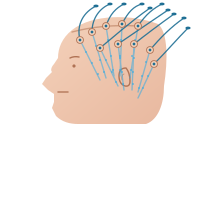
- Stereo-EEG (SEEG) monitoring — a short hospital stay where thin recording electrodes are placed in specific deep parts of the brain to track your seizures and pinpoint where they start. This is the diagnostic step that guides which treatment comes next.
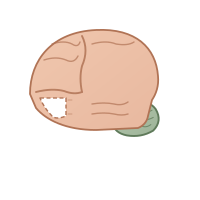
- Anterior temporal lobectomy / selective amygdalohippocampectomy — open surgery to remove the small area where seizures start. The selective version preserves more surrounding brain tissue when only the deep mesial structures are involved. In carefully selected patients this offers the best chance of becoming seizure-free of any of these options. Your team will discuss the numbers that apply to your specific situation.
- Lesionectomy — surgical removal of a tumor, cortical dysplasia, or cavernoma that's causing seizures.
- Laser interstitial thermal therapy (LITT) — a thin laser fiber is guided through a small skull opening to gently heat and stop the small area of brain tissue causing seizures. Used for mesial temporal lobe epilepsy (a procedure called SLAH, short for stereotactic laser amygdalohippocampotomy — laser treatment of the two deep structures where these seizures usually start) and for hypothalamic hamartomas. Usually a 1–2 day hospital stay; better cognitive recovery than open resection in many cases.
- Vagus nerve stimulation (VNS) — a small pacemaker-like device in the chest connected to a wire wrapped around a nerve in the neck. Adjunctive (added on top of medications); aim is reducing seizure frequency rather than seizure-freedom.
- Responsive neurostimulation (RNS, NeuroPace) — a small device implanted in the skull with one or two leads placed at the seizure focus. The device continually monitors your brain activity and delivers a brief, imperceptible stimulation when it detects abnormal patterns — often before a seizure becomes noticeable. Useful when seizures come from two foci, both sides of the brain, or from areas that can't safely be removed. In a nine-year study of 230 patients, seizures fell by a median of 75%, and about one patient in five had at least a full year with no seizures. Nair et al., Neurology 2020.
- Deep brain stimulation of the anterior thalamus (DBS-ANT) — bilateral DBS in the anterior thalamic nucleus to reduce focal seizure frequency. FDA-approved in 2018 based on the SANTE trial (Stimulation of the Anterior Nucleus of Thalamus for Epilepsy). At five years, seizures had fallen by a median of 69%, and about two-thirds of people had at least half as many seizures as before. Risks are part of the conversation in clinic before you decide. Salanova et al., Neurology 2015.
Epilepsia y crisis epilépticas: epilepsia refractaria y evaluación quirúrgica.
Si tiene crisis epilépticas que no han respondido completamente a los medicamentos, puede ser candidato a una evaluación quirúrgica. El primer paso casi nunca es la cirugía — es una evaluación cuidadosa con el equipo del Centro Integral de Epilepsia de Penn para determinar dónde en el cerebro comienzan sus crisis y decidir qué opción se adapta mejor. Algunos pacientes se benefician más de la extirpación o ablación de una pequeña área; otros se benefician más de un dispositivo de estimulación. Ofrecemos todas estas opciones.
Afecciones que tratamos
- Epilepsia refractaria — crisis epilépticas que no han respondido completamente a dos o más medicamentos.
- Crisis epilépticas focales — crisis que comienzan en una parte específica del cerebro.
- Epilepsia del lóbulo temporal mesial con esclerosis hipocampal — la forma más común de epilepsia focal en adultos.
- Epilepsia lesional — crisis causadas por un tumor, displasia cortical o cavernoma.
- Hamartoma hipotalámico — una lesión cerebral profunda poco frecuente que causa crisis epilépticas, tratable con ablación láser (LITT).
- Focos de crisis bilaterales o en la corteza elocuente — cuando las crisis provienen de ambos lados del cerebro o de áreas que no pueden extirparse con seguridad.
Procedimientos que ofrecemos
- Estereoelectroencefalografía (SEEG) — una breve estancia hospitalaria en la que se colocan electrodos de registro delgados en partes profundas específicas del cerebro para rastrear sus crisis y localizar dónde comienzan. Este es el paso diagnóstico que guía el tratamiento posterior.
- Lobectomía temporal anterior / amigdalohipocampectomía selectiva — cirugía abierta para extirpar la pequeña área donde comienzan las crisis. La versión selectiva preserva más tejido cerebral circundante cuando solo están involucradas las estructuras mesiales profundas. En pacientes cuidadosamente seleccionados, es la opción con mayor probabilidad de dejarle libre de crisis. Su equipo comentará las cifras que se aplican a su caso.
- Lesionectomía — extirpación quirúrgica de un tumor, displasia cortical o cavernoma que está causando las crisis.
- Ablación con láser (LITT) — una fibra láser delgada se guía a través de una pequeña apertura en el cráneo para calentar suavemente y detener la pequeña área de tejido cerebral que causa las crisis. Se usa para la epilepsia del lóbulo temporal mesial (un procedimiento llamado SLAH, por sus siglas en inglés: amigdalohipocampotomía láser estereotáctica — tratamiento con láser de las dos estructuras profundas donde suelen originarse estas crisis) y para los hamartomas hipotalámicos. Generalmente una estancia hospitalaria de 1–2 días; mejor recuperación cognitiva que la resección abierta en muchos casos.
- Estimulación del nervio vago (VNS) — un pequeño dispositivo similar a un marcapasos en el pecho conectado a un cable enrollado alrededor de un nervio en el cuello. Adyuvante (se agrega sobre los medicamentos); el objetivo es reducir la frecuencia de las crisis en lugar de eliminarlas.
- Neuroestimulación responsiva (RNS, NeuroPace) — un pequeño dispositivo implantado en el cráneo con uno o dos electrodos colocados en el foco de las crisis. El dispositivo monitorea continuamente su actividad cerebral y emite una estimulación breve e imperceptible cuando detecta patrones anormales — a menudo antes de que la crisis sea perceptible. Útil cuando las crisis provienen de dos focos, de ambos lados del cerebro o de áreas que no pueden extirparse con seguridad. En un estudio de nueve años con 230 pacientes, las crisis se redujeron en una mediana del 75%, y aproximadamente uno de cada cinco pacientes pasó al menos un año entero sin crisis. Nair et al., Neurology 2020.
- Estimulación cerebral profunda del tálamo anterior (DBS-ANT) — estimulación cerebral profunda bilateral en el núcleo talámico anterior para reducir la frecuencia de las crisis focales. Aprobada por la FDA en 2018 según el ensayo SANTE (Stimulation of the Anterior Nucleus of Thalamus for Epilepsy). A los cinco años, las crisis se habían reducido en una mediana del 69%, y alrededor de dos tercios de las personas tenían al menos la mitad de crisis que antes. Los riesgos se conversan en la consulta antes de decidir. Salanova et al., Neurology 2015.
Epilepsia e crises epilépticas: epilepsia refratária e avaliação cirúrgica.
Se você tem crises epilépticas que não responderam completamente aos medicamentos, pode ser candidato a uma avaliação cirúrgica. O primeiro passo quase nunca é a cirurgia — é uma avaliação cuidadosa com a equipe do Centro Abrangente de Epilepsia da Penn para descobrir onde no cérebro suas crises estão começando e decidir qual opção se encaixa melhor. Alguns pacientes se beneficiam mais da remoção ou ablação de uma pequena área; outros, de um dispositivo que fornece estimulação. Oferecemos todas essas opções.
Condições que tratamos
- Epilepsia refratária — crises epilépticas que não responderam completamente a dois ou mais medicamentos.
- Crises focais — crises que começam em uma parte específica do cérebro.
- Epilepsia do lobo temporal mesial com esclerose hipocampal — a forma mais comum de epilepsia focal em adultos.
- Epilepsia lesional — crises causadas por um tumor, displasia cortical ou cavernoma.
- Hamartoma hipotalâmico — uma lesão cerebral profunda rara que causa crises epilépticas, tratável com ablação a laser (LITT).
- Focos de crises bilaterais ou em córtex eloquente — quando as crises vêm de ambos os lados do cérebro ou de áreas que não podem ser removidas com segurança.
Procedimentos que oferecemos
- Estereoeletroencefalografia (SEEG) — uma breve internação hospitalar em que eletrodos de registro finos são colocados em partes profundas específicas do cérebro para rastrear suas crises e identificar onde elas começam. Este é o passo diagnóstico que orienta o tratamento seguinte.
- Lobectomia temporal anterior / amigdalohipocampectomia seletiva — cirurgia aberta para remover a pequena área onde as crises começam. A versão seletiva preserva mais tecido cerebral ao redor quando apenas as estruturas mesiais profundas estão envolvidas. Em pacientes cuidadosamente selecionados, é a opção com maior chance de deixá-lo livre de crises. Sua equipe vai conversar sobre os números que se aplicam ao seu caso.
- Lesionectomia — remoção cirúrgica de um tumor, displasia cortical ou cavernoma que está causando as crises.
- Ablação a laser (LITT) — uma fibra de laser fina é guiada por uma pequena abertura no crânio para aquecer suavemente e interromper a pequena área de tecido cerebral que causa as crises. Usada para epilepsia do lobo temporal mesial (procedimento chamado SLAH, sigla em inglês para amigdalo-hipocampotomia a laser estereotáxica — tratamento a laser das duas estruturas profundas onde essas crises costumam começar) e para hamartomas hipotalâmicos. Geralmente 1–2 dias de internação; melhor recuperação cognitiva do que a ressecção aberta em muitos casos.
- Estimulação do nervo vago (VNS) — um pequeno dispositivo semelhante a um marca-passo no tórax conectado a um fio enrolado em torno de um nervo no pescoço. Adjuvante (somado aos medicamentos); o objetivo é reduzir a frequência das crises, não eliminá-las.
- Neuroestimulação responsiva (RNS, NeuroPace) — um pequeno dispositivo implantado no crânio com um ou dois eletrodos colocados no foco das crises. O dispositivo monitora continuamente a atividade cerebral e emite uma estimulação breve e imperceptível quando detecta padrões anormais — muitas vezes antes de a crise ser perceptível. Útil quando as crises vêm de dois focos, de ambos os lados do cérebro ou de áreas que não podem ser removidas com segurança. Em um estudo de nove anos com 230 pacientes, as crises caíram em uma mediana de 75%, e cerca de um em cada cinco pacientes passou pelo menos um ano inteiro sem crises. Nair et al., Neurology 2020.
- Estimulação cerebral profunda do tálamo anterior (DBS-ANT) — DBS bilateral no núcleo talâmico anterior para reduzir a frequência de crises focais. Aprovada pela FDA em 2018 com base no ensaio SANTE (Stimulation of the Anterior Nucleus of Thalamus for Epilepsy). Aos cinco anos, as crises tinham caído em uma mediana de 69%, e cerca de dois terços das pessoas tinham pelo menos metade das crises de antes. Os riscos são conversados na consulta antes de decidir. Salanova et al., Neurology 2015.
Epilepsi ak kriz epileptik: epilepsi rezistan ak evalyasyon chirijkal.
Si ou gen kriz epileptik ki pa t reponn nèt ak medikaman, ou ka yon kandida pou yon evalyasyon chirijkal. Premye etap la se prèske pa janm yon operasyon — se yon travay pran swen ak ekip nan Sant Epilepsi Konplè Penn pou konnen kote nan sèvo kriz ou yo ap kòmanse epi deside ki opsyon ki pi bon. Gen kèk pasyan ki pi devan lè yo retire oswa abli yon ti zòn; lòt yo pi devan ak yon aparèy ki bay estimilasyon. Nou ofri tout sa yo.
Kondisyon nou trete
- Epilepsi rezistan — kriz epileptik ki pa t reponn nèt ak de oswa plis medikaman.
- Kriz fokal — kriz ki kòmanse nan yon pati espesifik nan sèvo.
- Epilepsi lòb tanporèl mezyal avèk eskleroz hipokampal — fòm ki pi komen nan epilepsi fokal lakay adilt.
- Epilepsi lezyon — kriz ki soti nan yon timè, displazi kortikal, oswa kavernòm.
- Hamartòm hipotalamik — yon lezyon nan pwofondè sèvo ki ra ki koze kriz, tratable ak ablasyon ak laze (LITT).
- Fwaye kriz bilaterèl oswa nan kòtèks fonksyonèl (eloquent cortex) — lè kriz yo soti nan toude bò sèvo a oswa nan zòn ki pa ka retire an sekirite.
Pwosedi nou ofri
- Stereo-EEG (SEEG) — yon kout séjou lopital kote yo mete elektwòd ki minm nan pati pwofon espesifik nan sèvo pou swiv kriz ou yo ak jwenn kote yo kòmanse. Se etap dyagnostik la ki gide ki tretman ki vini apre a.
- Lobektomi tanporèl anteryè / amigdalohipokampektomi selektif — operasyon ouvè pou retire ti zòn kote kriz yo kòmanse. Vèsyon selektif la prezève plis tisi sèvo ozalantou lè sèlman estrikti mezyal pwofon yo enplike. Nan pasyan yo byen chwazi, se opsyon ki bay pi gwo chans pou w pa gen kriz ankò. Ekip ou a ap pale sou chif ki konsène sitiyasyon pa w la.
- Lezjonektomi — retire chirikikal yon timè, displazi kortikal, oswa kavernòm ki koze kriz yo.
- Ablasyon ak laze (LITT) — yo gide yon fibè laze ki minm atravè yon ti ouvèti nan zo tèt la pou chofe dousman epi kanpe ti zòn tisi sèvo ki koze kriz yo. Itilize pou epilepsi lòb tanporèl mezyal (yon pwosedi yo rele SLAH nan lang angle: amigdalo-ipokanpotomi ak laze estereyotaksik — tretman ak laze de de estrikti pwofon kote kriz sa yo konn kòmanse) ak pou hamartòm hipotalamik. Jeneralman yon séjou lopital 1–2 jou; pi bon rekiperasyon kognitif pase rezeksyon ouvè nan anpil ka.
- Estimilasyon nè vag (VNS) — yon ti aparèy ki sanble ak yon pacemaker nan lestwomak konekte ak yon elektwòd woule ozalantou yon nè nan kou. Adjuvant (ajoute an plis sou medikaman); bi a se diminye frekans kriz yo pito pase elimine yo.
- Newostimilasyon responsiv (RNS, NeuroPace) — yon ti aparèy enplan nan zo tèt avèk youn oswa de elektwòd yo mete nan fwaye kriz la. Aparèy la konstan surveye aktivite sèvo ou epi bay yon kout estimilasyon ki pa santi lè li detekte modèl anòmal — souvan anvan kriz la vin vizib. Itil lè kriz yo soti nan de fwaye, toude bò sèvo a, oswa nan zòn ki pa ka retire an sekirite. Nan yon etid nèf an avèk 230 pasyan, kriz yo te bese yon medyàn 75%, epi anviwon yon pasyan sou senk te pase omwen yon ane konplè san kriz. Nair et al., Neurology 2020.
- Estimilasyon serebral pwofon talamus anteryè (DBS-ANT) — DBS bilateral nan nikilèy talamik anteryè pou diminye frekans kriz fokal yo. FDA apwouve an 2018 baze sou esè SANTE a (Stimulation of the Anterior Nucleus of Thalamus for Epilepsy). Nan senk an, kriz yo te bese yon medyàn 69%, epi anviwon de tyè moun yo te gen omwen mwatye mwens kriz pase anvan. N ap pale sou risk yo nan klinik la anvan ou deside. Salanova et al., Neurology 2015.
癫痫与癫痫发作:难治性癫痫与手术评估。
如果您的癫痫发作对药物的反应不够充分,您可能适合接受手术评估。第一步几乎从不是手术——而是与 Penn 综合癫痫中心团队进行细致的检查,找出大脑中癫痫发作的起始位置并确定最适合的方案。有些患者最适合切除或消融小片脑区;其他患者则更适合使用提供电刺激的装置。我们提供所有这些选择。
我们治疗的疾病
- 难治性癫痫 — 癫痫发作对两种或以上药物的反应不够充分。
- 局灶性癫痫发作 — 起源于大脑特定区域的癫痫发作。
- 内侧颞叶癫痫合并海马硬化 — 成人中最常见的局灶性癫痫形式。
- 病灶性癫痫 — 由肿瘤、皮质发育不良或海绵状血管瘤引起的癫痫发作。
- 下丘脑错构瘤 — 一种罕见的深部脑病变,可导致癫痫发作,可用激光间质热疗(LITT)治疗。
- 双侧或大脑重要功能区皮质 (Eloquent Cortex)癫痫病灶 — 癫痫发作来自大脑双侧或无法安全切除的区域。
我们提供的手术方案
- 立体定向脑电图(SEEG)监测 — 短暂住院期间,将细小记录电极置于大脑特定深部区域,追踪您的癫痫发作并精确定位其起始位置。这是指导后续治疗选择的诊断步骤。
- 前颞叶切除术 / 选择性杏仁核海马切除术 — 开颅手术,切除癫痫发作的起始小区域。选择性手术仅累及深部内侧结构时可保留更多周围脑组织。在经过仔细筛选的患者中,这是最有可能让您不再发作的选择。您的医疗团队会与您讨论适用于您个人情况的数据。
- 病灶切除术 — 手术切除导致癫痫发作的肿瘤、皮质发育不良或海绵状血管瘤。
- 激光间质热疗(LITT) — 通过颅骨小开口引导细激光纤维,轻柔加热并阻断导致癫痫发作的小块脑组织。用于内侧颞叶癫痫(称为 SLAH 手术,英文全称为“立体定向激光杏仁核海马切开术”——用激光治疗这类癫痫通常起源的两个深部结构)和下丘脑错构瘤。通常住院 1–2 天;许多情况下认知恢复优于开颅切除术。
- 迷走神经刺激(VNS) — 胸部小型起搏器样装置通过导线与颈部神经相连。作为辅助治疗(叠加于药物之上),目标是减少发作频率而非完全无发作。
- 反应性神经刺激(RNS,NeuroPace) — 颅骨内植入的小型装置,配备一至两根置于癫痫病灶的导线。装置持续监测大脑活动,并在检测到异常模式时发出短暂、难以察觉的刺激——通常在发作变得明显之前。当癫痫来自两个病灶、大脑双侧或无法安全切除的区域时尤为有用。在一项针对 230 名患者、为期九年的研究中,癫痫发作次数中位数下降 75%,约每五名患者中有一名至少有整整一年没有发作。 Nair et al., Neurology 2020。
- 前丘脑脑深部电刺激(DBS-ANT) — 在丘脑前核进行双侧脑深部电刺激(DBS),以降低局灶性癫痫发作频率。基于 SANTE 试验(Stimulation of the Anterior Nucleus of Thalamus for Epilepsy,即“丘脑前核电刺激治疗癫痫”研究)于 2018 年获 FDA 批准。五年时,癫痫发作次数中位数下降 69%,约三分之二的人发作次数至少减少了一半。风险会在门诊中与您讨论,然后再做决定。 Salanova et al., Neurology 2015。
Động kinh và cơn co giật: động kinh kháng thuốc và đánh giá phẫu thuật.
Nếu bạn bị các cơn động kinh chưa đáp ứng đầy đủ với thuốc, bạn có thể là ứng viên để đánh giá phẫu thuật. Bước đầu tiên gần như không bao giờ là phẫu thuật — đó là quá trình làm việc cẩn thận với nhóm tại Penn Comprehensive Epilepsy Center để tìm ra nơi bắt đầu các cơn động kinh của bạn trong não và quyết định phương án nào phù hợp nhất. Một số bệnh nhân được phục vụ tốt nhất bằng cách loại bỏ hoặc tiêu hủy một khu vực nhỏ; những bệnh nhân khác được phục vụ tốt hơn bằng thiết bị cung cấp kích thích. Chúng tôi cung cấp tất cả những điều này.
Các bệnh chúng tôi điều trị
- Động kinh kháng thuốc — các cơn động kinh chưa đáp ứng đầy đủ với hai hoặc nhiều loại thuốc hơn.
- Cơn động kinh khu trú — cơn động kinh bắt đầu ở một vùng cụ thể của não.
- Động kinh thùy thái dương nội trắc với xơ cứng hải mã — dạng động kinh khu trú phổ biến nhất ở người lớn.
- Động kinh có tổn thương — cơn động kinh do khối u, loạn sản vỏ não, hoặc u mạch hang.
- U hamartoma vùng dưới đồi — tổn thương não sâu hiếm gặp gây ra các cơn động kinh, có thể điều trị bằng LITT.
- Ổ động kinh hai bên hoặc vỏ não chức năng — khi các cơn động kinh đến từ cả hai bên não hoặc từ các vùng không thể loại bỏ an toàn.
Các phương pháp chúng tôi cung cấp
- Điện não đồ lập thể (SEEG) — một đợt nhập viện ngắn để đặt các điện cực ghi hình mảnh vào các vùng sâu cụ thể của não nhằm theo dõi các cơn động kinh của bạn và xác định chính xác nơi chúng bắt đầu. Đây là bước chẩn đoán hướng dẫn điều trị tiếp theo.
- Cắt bỏ thùy thái dương trước / cắt bỏ chọn lọc hạnh nhân-hải mã — phẫu thuật mở để loại bỏ vùng nhỏ nơi các cơn động kinh bắt đầu. Phiên bản chọn lọc bảo tồn nhiều mô não xung quanh hơn khi chỉ có các cấu trúc nội trắc sâu liên quan. Ở những bệnh nhân được chọn lọc kỹ, đây là lựa chọn có khả năng cao nhất giúp bạn hết cơn động kinh. Nhóm bác sĩ sẽ trao đổi về các con số áp dụng cho trường hợp của bạn.
- Cắt bỏ tổn thương — loại bỏ phẫu thuật khối u, loạn sản vỏ não, hoặc u mạch hang đang gây ra các cơn động kinh.
- Đốt nhiệt bằng laser nội mô (LITT) — một sợi laser mảnh được hướng dẫn qua một lỗ nhỏ trên hộp sọ để làm nóng nhẹ và dừng vùng nhỏ của mô não gây ra các cơn động kinh. Được sử dụng cho động kinh thùy thái dương nội trắc (thủ thuật gọi là SLAH, viết tắt tiếng Anh của phẫu thuật cắt hạnh nhân–hải mã bằng laser định vị — điều trị bằng laser hai cấu trúc sâu nơi các cơn động kinh này thường khởi phát) và cho u hamartoma vùng dưới đồi. Thường nằm viện 1–2 ngày; hồi phục nhận thức tốt hơn so với phẫu thuật cắt bỏ mở trong nhiều trường hợp.
- Kích thích dây thần kinh phế vị (VNS) — thiết bị nhỏ giống máy tạo nhịp trong ngực kết nối với dây cuốn quanh dây thần kinh ở cổ. Bổ trợ (thêm vào trên thuốc); mục tiêu là giảm tần suất cơn động kinh hơn là đạt được không có cơn.
- Kích thích thần kinh đáp ứng (RNS, NeuroPace) — thiết bị nhỏ được cấy vào hộp sọ với một hoặc hai đầu dò đặt tại ổ động kinh. Thiết bị liên tục theo dõi hoạt động não của bạn và cung cấp kích thích ngắn gọn, không cảm nhận được khi phát hiện các mẫu bất thường — thường là trước khi một cơn động kinh trở nên rõ ràng. Hữu ích khi các cơn động kinh đến từ hai ổ, cả hai bên não, hoặc từ các vùng không thể loại bỏ an toàn. Trong một nghiên cứu chín năm trên 230 bệnh nhân, số cơn động kinh giảm trung vị 75%, và khoảng một trong năm bệnh nhân có ít nhất trọn một năm không lên cơn. Nair et al., Neurology 2020.
- Kích thích não sâu tại đồi thị trước (DBS-ANT) — DBS hai bên tại nhân đồi thị trước để giảm tần suất cơn động kinh khu trú. FDA phê duyệt năm 2018 dựa trên thử nghiệm SANTE (Stimulation of the Anterior Nucleus of Thalamus for Epilepsy). Sau năm năm, số cơn động kinh giảm trung vị 69%, và khoảng hai phần ba số người có số cơn ít nhất giảm một nửa so với trước. Các rủi ro sẽ được trao đổi tại phòng khám trước khi bạn quyết định. Salanova et al., Neurology 2015.
Эпилепсия и эпилептические приступы: фармакорезистентная эпилепсия и хирургическое обследование.
Если у вас эпилептические приступы, которые не поддаются полному медикаментозному контролю, вы можете быть кандидатом на хирургическое обследование. Первый шаг — почти никогда не операция — это тщательное обследование с командой Penn Comprehensive Epilepsy Center, чтобы выяснить, где в мозге начинаются приступы, и выбрать наиболее подходящий вариант. Одним пациентам лучше всего подходит удаление или абляция небольшой области; другим — устройство со стимуляцией. Мы предлагаем все эти варианты.
Заболевания, которые мы лечим
- Фармакорезистентная эпилепсия — приступы, не поддающиеся полному контролю двумя и более препаратами.
- Фокальные приступы — приступы, начинающиеся в определённой части мозга.
- Мезиальная височная эпилепсия с гиппокампальным склерозом — наиболее распространённая форма фокальной эпилепсии у взрослых.
- Лезиональная эпилепсия — приступы, вызванные опухолью, кортикальной дисплазией или кавернозной мальформацией.
- Гипоталамическая гамартома — редкое глубинное образование мозга, вызывающее приступы; поддаётся лечению с помощью LITT.
- Билатеральные очаги или очаги в функционально значимых (элоквентных) зонах коры — когда приступы исходят из обоих полушарий мозга или из зон, которые нельзя безопасно удалить.
Процедуры, которые мы предлагаем
- Стереоэлектроэнцефалография (SEEG) — кратковременная госпитализация, в ходе которой тонкие регистрирующие электроды устанавливаются в определённые глубинные структуры мозга для мониторинга приступов и точного определения места их начала. Это диагностический этап, который определяет дальнейшее лечение.
- Передняя височная лобэктомия / селективная амигдалогиппокампэктомия — открытая операция по удалению небольшой зоны начала приступов. Селективный вариант сохраняет больше окружающей мозговой ткани, когда поражены только глубокие медиальные структуры. У тщательно отобранных пациентов это вариант с наибольшей вероятностью полного прекращения приступов. Ваша команда обсудит цифры, относящиеся именно к вашему случаю.
- Лезионэктомия — хирургическое удаление опухоли, кортикальной дисплазии или кавернозной мальформации, вызывающей приступы.
- Лазерная интерстициальная термотерапия (LITT) — тонкое лазерное волокно вводится через небольшое отверстие в черепе для мягкого нагрева и деструкции небольшого участка мозговой ткани, вызывающего приступы. Применяется при мезиальной височной эпилепсии (процедура SLAH, от англ. «стереотаксическая лазерная амигдалогиппокампотомия» — лазерное лечение двух глубинных структур, где обычно начинаются такие приступы) и гипоталамических гамартомах. Как правило, 1–2 дня госпитализации; лучшее когнитивное восстановление, чем при открытой резекции во многих случаях.
- Стимуляция блуждающего нерва (VNS) — небольшое устройство в груди, напоминающее кардиостимулятор, соединённое проводом, обёрнутым вокруг нерва на шее. Вспомогательная терапия (добавляется к лекарствам); цель — снижение частоты приступов, а не их полное прекращение.
- Респонсивная нейростимуляция (RNS, NeuroPace) — небольшое устройство, имплантированное в череп, с одним или двумя электродами в очаге приступов. Устройство непрерывно мониторирует активность мозга и подаёт кратковременную, незаметную стимуляцию при обнаружении аномальных паттернов — часто до того, как приступ становится заметным. Полезно при двух очагах, двустороннем поражении или при очагах в зонах, которые нельзя удалить. В девятилетнем исследовании с участием 230 пациентов частота приступов снизилась в среднем (медиана) на 75%, и примерно у одного пациента из пяти был как минимум целый год без приступов. Nair et al., Neurology 2020.
- Глубокая стимуляция переднего таламуса (DBS-ANT) — двусторонняя стимуляция переднего ядра таламуса для снижения частоты фокальных приступов. Одобрена FDA в 2018 году по результатам исследования SANTE (Stimulation of the Anterior Nucleus of Thalamus for Epilepsy). Через пять лет частота приступов снизилась в среднем (медиана) на 69%, и примерно у двух третей участников приступов стало как минимум вдвое меньше. Риски обсуждаются на приёме до принятия решения. Salanova et al., Neurology 2015.
الصرع ونوبات الصرع: الصرع المقاوم للأدوية والتقييم الجراحي.
إذا كانت لديك نوبات صرع لم تستجب بالكامل للأدوية، فقد تكون مرشحًا للتقييم الجراحي. الخطوة الأولى لا تكاد تكون جراحة أبدًا — بل هي فحص دقيق مع فريق Penn Comprehensive Epilepsy Center لمعرفة مكان بدء النوبات في الدماغ واختيار الخيار الأنسب. بعض المرضى يستفيدون من إزالة أو استئصال حراري لمنطقة صغيرة؛ والبعض الآخر يستفيد من جهاز يوصل تحفيزًا. نقدم جميع هذه الخيارات.
الحالات التي نعالجها
- الصرع المقاوم للأدوية — نوبات لم تستجب بالكامل لدواءين أو أكثر.
- النوبات البؤرية — نوبات تبدأ في جزء محدد من الدماغ.
- صرع الفص الصدغي الإنسي مع تصلب الحصين — الشكل الأكثر شيوعًا للصرع البؤري لدى البالغين.
- الصرع التآفي — نوبات ناجمة عن ورم أو خلل نمائي قشري أو وعاء دموي كهفي.
- الورم العابي تحت المهادي — آفة دماغية عميقة نادرة تسبب نوبات صرع، قابلة للعلاج بالـ LITT.
- بؤر النوبات الثنائية أو القشرة المخية الوظيفية الحيوية (Eloquent Cortex) — عندما تأتي النوبات من كلا جانبي الدماغ أو من مناطق لا يمكن إزالتها بأمان.
الإجراءات التي نقدمها
- تخطيط كهربية الدماغ المجسم (SEEG) — إقامة قصيرة في المستشفى لوضع أقطاب تسجيل رفيعة في أجزاء عميقة محددة من الدماغ لتتبع نوباتك وتحديد مكان بدايتها بدقة. هذه هي الخطوة التشخيصية التي توجّه العلاج التالي.
- استئصال الفص الصدغي الأمامي / استئصال اللوزة والحصين الانتقائي — جراحة مفتوحة لإزالة المنطقة الصغيرة التي تبدأ منها النوبات. النسخة الانتقائية تحافظ على مزيد من الأنسجة المحيطة عندما تكون فقط التركيبات الإنسية العميقة متورطة. لدى المرضى المختارين بعناية، هذا هو الخيار الأرجح لجعلك خالياً من النوبات. سيناقش فريقك الأرقام التي تنطبق على حالتك تحديداً.
- استئصال الآفة — الإزالة الجراحية للورم أو الخلل النمائي القشري أو الوعاء الكهفي المسبب للنوبات.
- العلاج الحراري بالليزر (LITT) — يُدخَل ألياف ليزر رفيعة عبر فتحة صغيرة في الجمجمة لتسخين وإيقاف المنطقة الصغيرة من الأنسجة الدماغية المسببة للنوبات. يُستخدم لصرع الفص الصدغي الإنسي (إجراء يُسمى SLAH، وهو اختصار إنجليزي لبضع اللوزة والحُصين بالليزر التوضيعي — علاج بالليزر للبنيتين العميقتين اللتين تبدأ منهما هذه النوبات عادةً) وللأورام العابية تحت المهادية. عادةً إقامة في المستشفى يوم إلى يومين؛ تعافٍ معرفي أفضل من الاستئصال المفتوح في كثير من الحالات.
- تحفيز العصب المبهم (VNS) — جهاز صغير في الصدر يشبه جهاز تنظيم ضربات القلب، متصل بسلك ملفوف حول عصب في الرقبة. علاج مساعد (يُضاف إلى الأدوية)؛ الهدف هو تقليل تكرار النوبات وليس القضاء عليها.
- التحفيز العصبي التفاعلي (RNS, NeuroPace) — جهاز صغير مزروع في الجمجمة مع قطب أو قطبين في بؤرة النوبات. يراقب الجهاز نشاط دماغك باستمرار ويوصل تحفيزًا قصيرًا لا يُحسّ به عند اكتشاف أنماط غير طبيعية — غالبًا قبل أن تصبح النوبة ملحوظة. مفيد عندما تأتي النوبات من بؤرتين أو من كلا جانبي الدماغ أو من مناطق لا يمكن إزالتها بأمان. في دراسة استمرت تسع سنوات وشملت 230 مريضاً، انخفضت النوبات بمقدار وسيط قدره 75%، ومرّ نحو مريض من كل خمسة بعام كامل على الأقل دون نوبات. Nair et al., Neurology 2020.
- التحفيز العميق للدماغ في المهاد الأمامي (DBS-ANT) — تحفيز DBS ثنائي في النواة المهادية الأمامية لتقليل تكرار النوبات البؤرية. موافقة FDA عام 2018 استنادًا إلى تجربة SANTE (Stimulation of the Anterior Nucleus of Thalamus for Epilepsy). بعد خمس سنوات، انخفضت النوبات بمقدار وسيط قدره 69%، وكان لدى نحو ثلثي المشاركين نصف عدد النوبات أو أقل مما كان لديهم قبل ذلك. وتُناقَش المخاطر في العيادة قبل اتخاذ القرار. Salanova et al., Neurology 2015.
Face pain, back pain, and nerve pain that hasn't responded to other treatment.
Most pain is best treated by a primary doctor or pain specialist. We treat specific kinds of nerve pain — usually after medications and other approaches haven't been enough — and we also evaluate spinal pain that might benefit from spine surgery or a stimulator. Most of what we offer is neuromodulation: small implanted devices that calm the nerves carrying the pain signal, without destroying any tissue. The right device depends on where your pain is and what kind of nerves are involved. Almost every device begins with a temporary trial so you can see whether it works for you before anything is permanently implanted.
Conditions we treat
- Trigeminal neuralgia — severe, sudden, electric-shock-like facial pain.
- Occipital neuralgia — sharp, shooting pain at the back of the head.
- Refractory chronic back and leg pain — including pain after spine surgery (sometimes called failed back surgery syndrome) and chronic radicular pain.
- Complex regional pain syndrome (CRPS) — burning, color-changing, hypersensitive pain in a hand, foot, or limb, often after an injury or surgery.
- Painful diabetic neuropathy — burning or shooting nerve pain in the feet from long-standing diabetes.
- Refractory chronic migraine and cluster headache — when the standard medications and CGRP blockers haven't been enough. (CGRP blockers are a newer class of migraine medicine — the name stands for calcitonin gene-related peptide.)
- Persistent post-surgical neuropathic pain — including post-mastectomy, post-thoracotomy, post-amputation, and groin pain after hernia repair.
- Chiari malformation — when the lower brain extends into the spinal canal and causes symptoms.
Procedures we offer
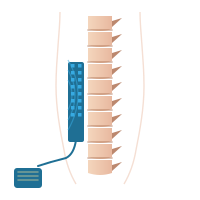
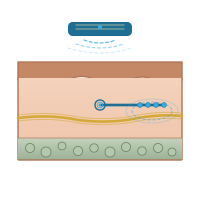
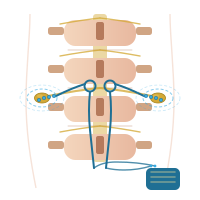
- Microvascular decompression (MVD) — surgery to take pressure off the trigeminal nerve from a nearby blood vessel. Often the most durable option for classical trigeminal neuralgia.
- Percutaneous procedures for trigeminal neuralgia — short outpatient procedures done through a needle in the cheek under brief anesthesia (glycerol rhizotomy, balloon compression, radiofrequency rhizotomy). They interrupt the trigeminal nerve's pain fibers. Less invasive than MVD but typically shorter-lasting.
- Gamma Knife radiosurgery — focused radiation directed at the trigeminal nerve. No incision; pain relief usually develops over weeks to months.
- Spinal cord stimulation (SCS) — a small implanted device with thin wires placed in the epidural space that delivers gentle electrical pulses to the spinal cord. Used most often for chronic back-and-leg pain after spine surgery, CRPS, and painful diabetic neuropathy. Modern devices offer multiple stimulation patterns (tonic, burst, and high-frequency 10-kHz) — the right one depends on what works best for you in trial.
- Dorsal root ganglion (DRG) stimulation — a more focal form of stimulation. A thin lead sits next to one of the small "switchboards" on the spinal nerve roots, just outside the spinal cord. Best for chronic pain that travels along a single nerve (down one leg, into one foot, or into the groin) and for stubborn distal pain — like foot pain — that broader spinal cord stimulation can't reliably reach. Common reasons: CRPS of a lower limb (the FDA-approved use), persistent pain after groin or spine surgery, or focal nerve-root pain that survived earlier treatment.
- Peripheral nerve stimulation (PNS) — a small device with leads placed near a specific nerve causing pain (for example, in the shoulder, knee, foot, or after amputation). Some PNS systems are designed as a temporary 60-day implant; others are permanent. Modern wireless systems (Nalu, StimRouter) have no internal battery — a small skin-worn transmitter delivers power transcutaneously to the implanted lead.
- Occipital nerve stimulation (ONS) — leads placed under the skin at the back of the head over the occipital nerves, connected to a small chest IPG. Used for refractory occipital neuralgia, chronic migraine, and cluster headache when other options haven't worked.
- Trigeminal nerve field stimulation — leads placed under the skin of the face along the painful trigeminal branches, for refractory trigeminal pain when surgery and medications haven't been enough. Reversible — no nerve tissue is destroyed.
- Intrathecal drug-delivery pump — a small pump implanted in the abdomen that delivers pain medication directly to the spinal fluid, achieving better pain control at much lower doses than oral or IV medication.
- Spine surgical evaluation — for back or leg pain that may need surgical treatment of the underlying problem (disc, stenosis, instability) before — or instead of — a stimulator.
The choice between SCS, DRG, and PNS comes down to where your pain is and what nerves carry it. SCS is best for broad areas like both legs or the lower back. DRG focuses on a smaller, anatomically specific area like one foot or the groin. PNS targets one peripheral nerve, like the suprascapular nerve in the shoulder. ONS and trigeminal field stimulation are versions of PNS for very specific head and face pain. We do a careful evaluation — including a temporary trial of the device — before any permanent implant.
Dolor facial, dolor de espalda y dolor nervioso que no ha respondido a otros tratamientos.
La mayor parte del dolor es mejor tratada por un médico de cabecera o un especialista en dolor. Tratamos tipos específicos de dolor en los nervios — generalmente cuando los medicamentos y otros enfoques no han sido suficientes — y también evaluamos el dolor espinal que podría beneficiarse de una cirugía de columna o un estimulador. La mayor parte de lo que ofrecemos es neuromodulación: pequeños dispositivos implantados que calman los nervios que transportan la señal de dolor, sin destruir tejido. El dispositivo adecuado depende de dónde está su dolor y qué tipo de nervios están involucrados. Casi todos los dispositivos comienzan con un período de prueba temporal para que pueda comprobar si el tratamiento es eficaz para usted antes de realizar el implante permanente.
Afecciones que tratamos
- Neuralgia del trigémino — dolor facial grave, repentino y similar a una descarga eléctrica.
- Neuralgia occipital — dolor agudo y punzante en la parte posterior de la cabeza.
- Dolor crónico refractario de espalda y pierna — incluyendo el dolor después de una cirugía de columna (a veces llamado síndrome de cirugía de espalda fallida) y el dolor radicular crónico.
- Síndrome de dolor regional complejo (SDRC) — dolor ardiente, que cambia de color e hipersensible en una mano, pie o extremidad, a menudo después de una lesión o cirugía.
- Neuropatía diabética dolorosa — dolor ardiente o punzante en los pies por diabetes de larga duración.
- Migraña crónica refractaria y cefalea en racimos — cuando los medicamentos estándar y los bloqueadores de CGRP no han sido suficientes. (Los bloqueadores de CGRP son una clase más nueva de medicamento para la migraña; CGRP significa péptido relacionado con el gen de la calcitonina.)
- Dolor neuropático postquirúrgico persistente — incluyendo dolor post-mastectomía, post-toracotomía, post-amputación y dolor inguinal después de la reparación de hernia.
- Malformación de Chiari — cuando la parte inferior del cerebro se extiende hacia el canal espinal y causa síntomas.
Procedimientos que ofrecemos
- Descompresión microvascular (MVD) — cirugía para aliviar la presión sobre el nervio trigémino de un vaso sanguíneo cercano. A menudo la opción más duradera para la neuralgia del trigémino clásica.
- Procedimientos percutáneos para la neuralgia del trigémino — procedimientos ambulatorios breves realizados a través de una aguja en la mejilla bajo anestesia breve (rizotomía con glicerol, compresión con balón, rizotomía por radiofrecuencia). Interrumpen las fibras de dolor del nervio trigémino. Menos invasivos que la MVD pero típicamente de menor duración.
- Radiocirugía con gamma knife — radiación enfocada dirigida al nervio trigémino. Sin incisión; el alivio del dolor generalmente se desarrolla en semanas a meses.
- Neuromodulación de la médula espinal (SCS) — un pequeño dispositivo implantado con electrodos delgados colocados en el espacio epidural que emite suaves impulsos eléctricos a la médula espinal. Se usa con mayor frecuencia para el dolor crónico de espalda y pierna después de cirugía de columna, SDRC y neuropatía diabética dolorosa. Los dispositivos modernos ofrecen múltiples patrones de estimulación (tónica, en ráfaga y alta frecuencia de 10 kHz) — el correcto depende de lo que funcione mejor para usted en el ensayo.
- Estimulación del ganglio de la raíz dorsal (DRG) — una forma más focal de estimulación. Un electrodo delgado se coloca junto a uno de los pequeños "centros de relevo" de las raíces nerviosas espinales, justo fuera de la médula espinal. La mejor opción para el dolor crónico que viaja por un solo nervio (hacia abajo por una pierna, a un pie o a la ingle) y para el dolor distal persistente — como el dolor de pie — que la estimulación espinal estándar no alcanza de manera confiable. Motivos comunes: SDRC de una extremidad inferior (el uso aprobado por la FDA), dolor persistente tras cirugía de ingle o columna, o dolor focal de raíz nerviosa que no respondió a tratamientos previos.
- Estimulación de nervios periféricos (PNS) — un pequeño dispositivo con electrodos colocados cerca de un nervio específico que causa dolor (por ejemplo, en el hombro, rodilla, pie o después de una amputación). Algunos sistemas PNS están diseñados como implante temporal de 60 días; otros son permanentes. Los sistemas inalámbricos modernos (Nalu, StimRouter) no tienen batería interna — un pequeño transmisor que se lleva sobre la piel entrega energía de forma transcutánea al electrodo implantado.
- Estimulación del nervio occipital (ONS) — electrodos colocados bajo la piel en la parte posterior de la cabeza sobre los nervios occipitales, conectados a un pequeño generador de impulsos en el pecho. Se usa para la neuralgia occipital refractaria, la migraña crónica y la cefalea en racimos cuando otras opciones no han funcionado.
- Estimulación del campo nervioso del trigémino — electrodos colocados bajo la piel de la cara a lo largo de las ramas trigeminales dolorosas, para el dolor trigeminal refractario cuando la cirugía y los medicamentos no han sido suficientes. Reversible — no se destruye tejido nervioso.
- Bomba de administración intratecal de fármacos — una pequeña bomba implantada en el abdomen que administra medicamentos para el dolor directamente en el líquido espinal, logrando un mejor control del dolor con dosis mucho más bajas que la medicación oral o intravenosa.
- Evaluación quirúrgica de columna — para el dolor de espalda o pierna que puede necesitar tratamiento quirúrgico del problema subyacente (disco, estenosis, inestabilidad) antes — o en lugar de — un estimulador.
La elección entre SCS, DRG y PNS depende de dónde está su dolor y qué nervios lo conducen. El SCS es mejor para áreas amplias como ambas piernas o la zona lumbar. El DRG se enfoca en un área más pequeña y anatómicamente específica como un pie o la ingle. El PNS apunta a un nervio periférico, como el nervio supraescapular en el hombro. La ONS y la estimulación del campo trigeminal son versiones de PNS para dolor de cabeza y cara muy específico. Realizamos una evaluación cuidadosa — que incluye un ensayo temporal del dispositivo — antes de cualquier implante permanente.
Dor facial, dor nas costas e dor neurológica que não respondeu a outros tratamentos.
A maioria das dores é melhor tratada por um médico de família ou especialista em dor. Tratamos tipos específicos de dor nos nervos — geralmente quando medicamentos e outras abordagens não foram suficientes — e também avaliamos a dor espinhal que pode se beneficiar de cirurgia da coluna ou de um estimulador. A maior parte do que oferecemos é neuromodulação: pequenos dispositivos implantados que acalmam os nervos que transportam o sinal de dor, sem destruir tecido. O dispositivo adequado depende de onde está sua dor e que tipo de nervos estão envolvidos. Quase todo dispositivo começa com um teste temporário para que você possa verificar se funciona para você antes de qualquer implante permanente.
Condições que tratamos
- Neuralgia do trigêmeo — dor facial grave, repentina e semelhante a um choque elétrico.
- Neuralgia occipital — dor aguda e lancinante na parte de trás da cabeça.
- Dor crônica refratária nas costas e pernas — incluindo dor após cirurgia da coluna (às vezes chamada de síndrome da cirurgia espinhal falha) e dor radicular crônica.
- Síndrome de dor regional complexa (SDRC) — dor em queimação, que muda de cor e hipersensível em uma mão, pé ou membro, frequentemente após lesão ou cirurgia.
- Neuropatia diabética dolorosa — dor em queimação ou lancinante nos pés causada por diabetes de longa duração.
- Enxaqueca crônica refratária e cefaleia em salvas — quando os medicamentos padrão e os bloqueadores de CGRP não foram suficientes. (Os bloqueadores de CGRP são uma classe mais nova de remédio para enxaqueca; CGRP significa peptídeo relacionado ao gene da calcitonina.)
- Dor neuropática pós-cirúrgica persistente — incluindo dor pós-mastectomia, pós-toracotomia, pós-amputação e dor inguinal após reparo de hérnia.
- Malformação de Chiari — quando a parte inferior do cérebro se estende para o canal espinhal e causa sintomas.
Procedimentos que oferecemos
- Descompressão microvascular (MVD) — cirurgia para aliviar a pressão sobre o nervo trigêmeo de um vaso sanguíneo próximo. Muitas vezes a opção mais duradoura para a neuralgia do trigêmeo clássica.
- Procedimentos percutâneos para neuralgia do trigêmeo — procedimentos ambulatoriais breves realizados por agulha na bochecha sob anestesia breve (rizotomia com glicerol, compressão com balão, rizotomia por radiofrequência). Interrompem as fibras de dor do nervo trigêmeo. Menos invasivos que a MVD, mas geralmente de menor duração.
- Radiocirurgia com gamma knife — radiação focalizada direcionada ao nervo trigêmeo. Sem incisão; o alívio da dor geralmente se desenvolve ao longo de semanas a meses.
- Neuromodulação da medula espinhal (SCS) — um pequeno dispositivo implantado com fios finos colocados no espaço epidural que emite suaves impulsos elétricos para a medula espinhal. Mais usado para dor crônica nas costas e pernas após cirurgia de coluna, SDRC e neuropatia diabética dolorosa. Dispositivos modernos oferecem múltiplos padrões de estimulação (tônica, em rajada e alta frequência de 10 kHz) — o correto depende do que funciona melhor para você no teste.
- Estimulação do gânglio da raiz dorsal (DRG) — uma forma mais focal de estimulação. Um eletrodo fino fica posicionado ao lado de um dos pequenos "centros de relé" das raízes nervosas espinhais, logo fora da medula espinhal. Melhor para a dor crônica que percorre um único nervo (descendo por uma perna, até um pé, ou até a virilha) e para a dor distal persistente — como a dor no pé — que a estimulação espinhal padrão não alcança de forma confiável. Motivos comuns: SDRC de membro inferior (o uso aprovado pela FDA), dor persistente após cirurgia de virilha ou coluna, ou dor focal de raiz nervosa que não respondeu a tratamentos anteriores.
- Estimulação de nervos periféricos (PNS) — um pequeno dispositivo com eletrodos colocados perto de um nervo específico causando dor (por exemplo, no ombro, joelho, pé ou após amputação). Alguns sistemas PNS são projetados como implante temporário de 60 dias; outros são permanentes. Sistemas sem fio modernos (Nalu, StimRouter) não têm bateria interna — um pequeno transmissor usado na pele fornece energia transcutaneamente ao eletrodo implantado.
- Estimulação do nervo occipital (ONS) — eletrodos colocados sob a pele na parte de trás da cabeça sobre os nervos occipitais, conectados a um pequeno gerador de pulsos no tórax. Usado para neuralgia occipital refratária, enxaqueca crônica e cefaleia em salvas quando outras opções não funcionaram.
- Estimulação do campo nervioso do trigêmeo — eletrodos colocados sob a pele do rosto ao longo dos ramos trigeminais dolorosos, para dor trigeminal refratária quando cirurgia e medicamentos não foram suficientes. Reversível — nenhum tecido nervoso é destruído.
- Bomba de administração intratecal de medicamentos — uma pequena bomba implantada no abdômen que administra medicamentos para dor diretamente no líquido espinhal, alcançando melhor controle da dor com doses muito menores do que a medicação oral ou intravenosa.
- Avaliação cirúrgica da coluna — para dor nas costas ou pernas que pode precisar de tratamento cirúrgico do problema subjacente (disco, estenose, instabilidade) antes — ou em vez de — um estimulador.
A escolha entre SCS, DRG e PNS depende de onde está sua dor e quais nervos a conduzem. O SCS é melhor para áreas amplas como ambas as pernas ou a região lombar. O DRG foca em uma área menor e anatomicamente específica, como um pé ou a virilha. O PNS tem como alvo um nervo periférico, como o nervo supraescapular no ombro. ONS e estimulação do campo trigeminal são versões de PNS para dor muito específica na cabeça e no rosto. Fazemos uma avaliação cuidadosa — incluindo um teste temporário do dispositivo — antes de qualquer implante permanente.
Doulè nan figi, doulè nan do, ak doulè nan nè ki pa reponn ak lòt tretman.
Pifò doulè pi bon pou trete pa yon doktè prensipal oswa yon espesyalis doulè. Nou trete kalite doulè nè espesifik — jeneralman lè medikaman ak lòt apwòch pa t sifi — epi nou evalye tou doulè spinal ki ka benefisye nan yon operasyon kolòn vètebral oswa yon estimilatè. Pifò sa nou ofri se newomòdilasyon: ti aparèy enplan ki kalme nè ki pote siyal doulè a, san yo pa detwi tisi. Aparèy ki apwopriye a depann de kote doulè ou a ye ak ki kalite nè ki enplike. Prèske tout aparèy kòmanse ak yon esè tanporè pou ou ka wè si li mache pou ou anvan nenpòt bagay enplan pèmanan.
Kondisyon nou trete
- Nevralji trijemenal — doulè nan figi ki grav, sibit ak ki sanble ak yon chòk elektrik.
- Nevralji oksipital — doulè agèt ak lansan nan dèyè tèt la.
- Doulè kronik refraktè nan do ak janm — ki gen ladan doulè apre operasyon kolòn vètebral (pafwa yo rele li sindwòm operasyon do ki echwe) ak doulè radikilè kronik.
- Sindwòm doulè rejyonal konplèks (SDRC) — doulè ki boule, ki chanje koulè ak ki trò sansib nan yon men, pye, oswa manm, souvan apre yon blese oswa yon operasyon.
- Newopati dyabetik doulourèz — doulè boule oswa ki like dife nan pye yo soti nan dyabèt ki dire lontan.
- Migrèn kronik refraktè ak mal tèt an gwoup — lè medikaman estanda yo ak blokè CGRP yo pa t sifi. (Blokè CGRP se yon klas medikaman pi nouvo pou migrèn; CGRP vle di peptid ki gen rapò ak jèn kalsitonin nan.)
- Doulè neropatik pèsistan apre operasyon — ki gen ladan doulè post-mastektomi, post-torakotomi, post-amitasyon, ak doulè nan rejyon engwen apre reparasyon èrni.
- Malformasyson Chiari — lè pati ba sèvo a pwolonje nan kanal spinal la epi koze sentòm.
Pwosedi nou ofri
- Dekompresyon mikovaskile (MVD) — operasyon pou retire presyon sou nè trijemenal la nan yon veso san ki toupre. Souvan opsyon ki pi dirab pou nevralji trijemenal klasik.
- Pwosedi pèkitane pou nevralji trijemenal — pwosedi kout nan klinik ekstèn ki fèt atravè yon zegwi nan machwè a anba anestezi kout (rizotomi glisewòl, konpresyon balon, rizotomi radiofrekans). Yo entewonp fibè doulè nè trijemenal la. Mwens envazif pase MVD men jeneralman ki dire mwens.
- Radiochiriji gamma knife — radyasyon fokalize ki dirije sou nè trijemenal la. Pa gen koupe; soulajman doulè jeneralman devlope sou kèk semèn rive mwa.
- Estimilasyon mwèl epinyè (SCS) — yon ti aparèy enplan avèk fil elektwòd yo mete nan espas epidiral la ki bay enpulsyon elektrik dous nan mwèl epinyè. Itilize plis pou doulè kronik do ak janm apre operasyon kolòn, SDRC, ak newopati dyabetik doulourèz. Aparèy modèn ofri plizyè modèl estimilasyon (tonik, rafal, ak wo frekans 10 kHz) — bon an depann de sa ki pi mache pou ou nan esè a.
- Estimilasyon ganglyon rasin dòsal (DRG) — yon fòm estimilasyon ki pi fokal. Yon fil elektwòd chita kòt yon ti "santral" sou rasin nè epinyè yo, jis deyò mwèl epinyè a. Pi bon pou doulè kwonik ki swiv chemen yon sèl nè (desann nan yon janm, antre nan yon pye, oswa nan engwen) ak pou doulè distal ki tenas — tankou doulè nan pye — ke estimilasyon mwèl epinyè estanda pa ka rive nan zòn nan yon fason fyab. Rezon komen: SDRC nan yon manm enferyè (itilizasyon FDA apwouve), doulè ki kontinye apre operasyon nan engwen oswa nan kolòn vètebral, oswa doulè fokal nan rasin nè ki pa t reponn ak lòt tretman.
- Estimilasyon nè pèrifèrik (PNS) — yon ti aparèy avèk elektwòd yo mete toupre yon nè espesifik ki koze doulè (pa egzanp, nan zepòl, jenou, pye, oswa apre amitasyon). Gen kèk sistèm PNS ki fèt kòm enplan tanporè 60 jou; lòt yo pèmanan. Sistèm san fil modèn (Nalu, StimRouter) pa gen batri entèn — yon ti transmètè ki pote sou po a livre enèji transcutanéman nan elektwòd enplan an.
- Estimilasyon nè oksipital (ONS) — elektwòd yo mete anba po nan dèyè tèt la sou nè oksipital yo, konekte ak yon ti jeneratè enpulsyon nan lestwomak. Itilize pou nevralji oksipital refraktè, migrèn kronik, ak mal tèt an gwoup lè lòt opsyon pa t mache.
- Estimilasyon champ nèvye trijemenal — elektwòd yo mete anba po figi a sou branch trijemenal ki doulourèz yo, pou doulè trijemenal refraktè lè operasyon ak medikaman pa t sifi. Reversibl — pa gen tisi nèvye ki detwi.
- Ponp livrezon medikaman entratékal — yon ti ponp enplan nan vant ki livre medikaman doulè dirèkteman nan likid spinal la, ki reyalize yon pi bon kontwòl doulè ak dòz ki pi ba anpil pase medikaman oral oswa entravennèz.
- Evalyasyon chirijkal kolòn vètebral — pou doulè do oswa janm ki ka bezwen tretman chirijkal pwoblèm ki anba a (disk, stenoz, enstabilite) anvan — oswa pito pase — yon estimilatè.
Chwa ant SCS, DRG, ak PNS depann de kote doulè ou a ye ak ki nè ki pote li. SCS pi bon pou zòn laj tankou toude janm oswa do ba. DRG konsantre sou yon pi ti zòn ki anatomikman espesifik tankou yon pye oswa rejyon engwen. PNS vize yon nè pèrifèrik, tankou nè supraskamèl nan zepòl la. ONS ak estimilasyon champ trijemenal se vèsyon PNS pou doulè tèt ak figi ki trè espesifik. Nou fè yon evalyasyon pran swen — ki gen ladan yon esè tanporè aparèy la — anvan nenpòt enplan pèmanan.
对其他治疗无效的面部疼痛、背部疼痛和神经痛。
大多数疼痛最好由初级医生或疼痛专科医生处理。我们治疗特定类型的神经痛——通常是在药物和其他方法不够有效之后——同时也评估可能受益于脊柱手术或刺激器的脊柱疼痛。我们提供的大部分方案是神经调控:小型植入装置,通过平静传导疼痛信号的神经来减轻疼痛,而不破坏任何组织。合适的装置取决于您的疼痛位置和所涉及的神经类型。几乎每个装置都包含一个临时的试用期,让您在决定进行永久性植入之前,亲身体验并确认该治疗方案对您是否真正有效。
我们治疗的疾病
- 三叉神经痛 — 严重、突发、类似电击的面部疼痛。
- 枕神经痛 — 头部后方的剧烈、放射性疼痛。
- 难治性慢性背部和腿部疼痛 — 包括脊柱手术后疼痛(有时称为脊柱手术失败综合征)和慢性根性疼痛。
- 复杂性区域疼痛综合征(CRPS) — 手部、足部或肢体出现烧灼感、皮肤颜色变化和超敏性疼痛,通常在受伤或手术后发生。
- 糖尿病性神经痛 — 因长期糖尿病引起的足部烧灼感或放射性神经疼痛。
- 难治性慢性偏头痛和丛集性头痛 — 标准药物和 CGRP 抑制剂不够有效时。(CGRP 抑制剂是一类较新的偏头痛药物;CGRP 是“降钙素基因相关肽”的英文缩写。)
- 持续性术后神经病理性疼痛 — 包括乳腺切除术后、胸廓切开术后、截肢后以及疝气修复后的腹股沟疼痛。
- Chiari 畸形 — 小脑扁桃体下疝进入椎管并引起症状。
我们提供的手术方案
- 微血管减压术(MVD) — 手术解除附近血管对三叉神经的压迫。通常是经典三叉神经痛最持久的治疗选择。
- 三叉神经痛经皮手术 — 在短暂麻醉下通过面颊穿刺针进行的短时门诊手术(甘油注射毁损术、球囊压迫术、射频毁损术)。中断三叉神经的痛觉纤维。侵入性低于 MVD,但通常持续时间较短。
- 伽玛刀放射外科 — 聚焦放射线定向照射三叉神经。无需切口;止痛效果通常在数周至数月内逐渐显现。
- 脊髓刺激(SCS) — 小型植入装置,电极导线置于硬膜外腔,向脊髓传送轻柔的电脉冲。最常用于脊柱手术后的慢性背腿痛、CRPS 和糖尿病性神经痛。现代设备提供多种刺激模式(强直模式、脉冲模式和高频 10 kHz 模式)——具体选择取决于您在试验中效果最好的方案。
- 背根神经节(DRG)刺激 — 更局灶性的刺激形式。电极导线置于脊髓外侧的小"中继站"(脊神经根上的小群痛觉传导神经)旁边。最适合沿单一神经传导的慢性疼痛(向下传至一条腿、一只脚或腹股沟),以及标准脊髓刺激难以可靠覆盖的远端顽固疼痛 — 例如足部疼痛。常见原因包括:下肢 CRPS(FDA 批准的适应症)、腹股沟或脊柱手术后持续疼痛,或对早期治疗无反应的局灶性神经根疼痛。
- 外周神经刺激(PNS) — 将电极导线置于导致疼痛的特定神经附近(例如肩部、膝盖、足部或截肢后)的小型装置。部分 PNS 系统设计为 60 天临时植入;其他则为永久性。现代无线系统(Nalu、StimRouter)内部无电池——皮肤外佩戴的小型发射器以经皮方式为植入导线供电。
- 枕神经刺激(ONS) — 导线置于头部后方枕神经上方的皮下,连接至胸部小型脉冲发生器。用于难治性枕神经痛、慢性偏头痛和丛集性头痛,在其他选择无效时使用。
- 三叉神经场刺激 — 沿疼痛三叉神经分支将导线置于面部皮下,用于手术和药物均不足够有效的难治性三叉神经痛。可逆——不破坏任何神经组织。
- 鞘内药物输注泵 — 腹部植入的小型泵,将镇痛药物直接输注入脊髓液,以远低于口服或静脉用药的剂量实现更好的疼痛控制。
- 脊柱手术评估 — 针对可能需要手术处理根本问题(椎间盘、椎管狭窄、不稳定)的背腿痛,在刺激器治疗之前——或作为替代选择。
SCS、DRG 和 PNS 之间的选择取决于您疼痛的位置以及由哪些神经传导。SCS 最适合大范围区域,如双腿或腰背部。DRG 专注于更小的解剖学特定区域,如单侧足部或腹股沟。PNS 针对单一外周神经,如肩部的肩胛上神经。ONS 和三叉神经场刺激是专针对特定头部和面部疼痛的 PNS 形式。在任何永久性植入之前,我们都会进行细致的评估——包括装置的临时试验。
Đau mặt, đau lưng và đau thần kinh không đáp ứng với các điều trị khác.
Hầu hết các cơn đau được điều trị tốt nhất bởi bác sĩ gia đình hoặc chuyên gia đau. Chúng tôi điều trị các loại đau dây thần kinh đặc thù — thường sau khi thuốc và các phương pháp khác chưa đủ hiệu quả — và cũng đánh giá đau cột sống có thể được hưởng lợi từ phẫu thuật cột sống hoặc máy kích thích. Hầu hết những gì chúng tôi cung cấp là điều biến thần kinh: thiết bị cấy ghép nhỏ làm dịu các dây thần kinh truyền tín hiệu đau, mà không phá hủy mô. Thiết bị phù hợp phụ thuộc vào vị trí đau và loại dây thần kinh liên quan. Hầu hết mọi thiết bị đều bắt đầu với một thử nghiệm tạm thời để bạn có thể xem liệu nó có hiệu quả với bạn trước khi cấy ghép vĩnh viễn hay không.
Các bệnh chúng tôi điều trị
- Đau dây thần kinh sinh ba — đau mặt dữ dội, đột ngột, như điện giật.
- Đau dây thần kinh chẩm — đau nhói, bắn ra phía sau đầu.
- Đau lưng và chân mạn tính kháng trị — bao gồm đau sau phẫu thuật cột sống (đôi khi gọi là hội chứng phẫu thuật lưng thất bại) và đau rễ thần kinh mạn tính.
- Hội chứng đau vùng phức tạp (CRPS) — đau rát, thay đổi màu sắc da, tăng cảm giác ở bàn tay, bàn chân hoặc chi, thường xảy ra sau chấn thương hoặc phẫu thuật.
- Bệnh thần kinh ngoại vi do đái tháo đường đau đớn — đau rát hoặc đau bắn ở bàn chân do bệnh đái tháo đường lâu dài.
- Đau nửa đầu mạn tính kháng trị và đau đầu cụm — khi thuốc tiêu chuẩn và chất ức chế CGRP chưa đủ hiệu quả. (Chất ức chế CGRP là nhóm thuốc điều trị đau nửa đầu mới hơn; CGRP là viết tắt của peptide liên quan đến gen calcitonin.)
- Đau thần kinh dai dẳng sau phẫu thuật — bao gồm đau sau cắt vú, sau mở ngực, sau cắt cụt chi và đau bẹn sau sửa thoát vị.
- Dị dạng Chiari — khi phần dưới não kéo dài vào ống tủy sống và gây ra các triệu chứng.
Các thủ thuật chúng tôi thực hiện
- Giải áp vi mạch (MVD) — phẫu thuật giải phóng áp lực lên dây thần kinh sinh ba từ mạch máu lân cận. Thường là lựa chọn lâu dài nhất cho đau dây thần kinh sinh ba cổ điển.
- Thủ thuật qua da cho đau dây thần kinh sinh ba — thủ thuật ngoại trú ngắn thực hiện qua kim chọc ở má dưới gây mê ngắn (hủy rễ thần kinh bằng glycerol, chèn ép bóng, hủy rễ bằng sóng cao tần). Ngắt các sợi đau của dây thần kinh sinh ba. Ít xâm lấn hơn MVD nhưng thường không kéo dài bằng.
- Xạ phẫu Gamma Knife — bức xạ tập trung hướng vào dây thần kinh sinh ba. Không cần rạch da; giảm đau thường xuất hiện trong vài tuần đến vài tháng.
- Kích thích tủy sống (SCS) — thiết bị cấy ghép nhỏ với dây mảnh đặt trong khoang ngoài màng cứng, truyền xung điện nhẹ vào tủy sống. Dùng nhiều nhất cho đau lưng và chân mạn tính sau phẫu thuật cột sống, CRPS và bệnh thần kinh ngoại vi do đái tháo đường. Thiết bị hiện đại cung cấp nhiều kiểu kích thích (tonic, burst và tần số cao 10 kHz) — kiểu phù hợp phụ thuộc vào điều gì hiệu quả nhất với bạn trong thử nghiệm.
- Kích thích hạch rễ lưng (DRG) — hình thức kích thích khu trú hơn. Một dây mảnh được đặt cạnh một trong những "trung tâm chuyển tiếp" nhỏ trên các rễ thần kinh tủy, ngay bên ngoài tủy sống. Hiệu quả nhất cho đau mạn tính lan theo một dây thần kinh duy nhất (xuống một chân, vào một bàn chân, hoặc vào vùng bẹn) và cho đau xa dai dẳng — như đau bàn chân — mà kích thích tủy sống tiêu chuẩn không tiếp cận đáng tin cậy. Lý do thường gặp: CRPS chi dưới (chỉ định được FDA chấp thuận), đau dai dẳng sau phẫu thuật vùng bẹn hoặc cột sống, hoặc đau khu trú từ rễ thần kinh không đáp ứng với điều trị trước đó.
- Kích thích thần kinh ngoại biên (PNS) — thiết bị nhỏ với dây đặt gần một dây thần kinh cụ thể gây đau (ví dụ, ở vai, đầu gối, bàn chân hoặc sau cắt cụt chi). Một số hệ thống PNS được thiết kế là thiết bị cấy tạm thời 60 ngày; các hệ thống khác là vĩnh viễn. Các hệ thống không dây hiện đại (Nalu, StimRouter) không có pin bên trong — bộ phát nhỏ đeo trên da cung cấp năng lượng xuyên qua da cho dây cấy.
- Kích thích dây thần kinh chẩm (ONS) — dây đặt dưới da phía sau đầu trên các dây thần kinh chẩm, kết nối với bộ phát xung nhỏ ở ngực. Dùng cho đau dây thần kinh chẩm kháng trị, đau nửa đầu mạn tính và đau đầu cụm khi các lựa chọn khác không hiệu quả.
- Kích thích trường dây thần kinh sinh ba — dây đặt dưới da mặt dọc theo các nhánh thần kinh sinh ba đau, cho đau thần kinh sinh ba kháng trị khi phẫu thuật và thuốc chưa đủ. Có thể đảo ngược — không phá hủy mô thần kinh.
- Bơm thuốc giảm đau nội tủy — bơm nhỏ cấy trong bụng truyền thuốc giảm đau trực tiếp vào dịch tủy sống, đạt kiểm soát đau tốt hơn với liều thấp hơn nhiều so với thuốc uống hoặc truyền tĩnh mạch.
- Đánh giá phẫu thuật cột sống — cho đau lưng hoặc chân có thể cần điều trị phẫu thuật vấn đề cơ bản (đĩa đệm, hẹp ống sống, mất vững) trước — hoặc thay vì — máy kích thích.
Việc lựa chọn giữa SCS, DRG và PNS phụ thuộc vào vị trí đau và dây thần kinh nào dẫn truyền nó. SCS tốt nhất cho các vùng rộng như cả hai chân hoặc lưng dưới. DRG tập trung vào vùng nhỏ hơn, cụ thể về giải phẫu như một bàn chân hoặc vùng bẹn. PNS nhắm vào một dây thần kinh ngoại biên, như dây thần kinh trên vai. ONS và kích thích trường thần kinh sinh ba là các phiên bản PNS cho đau đầu và mặt rất cụ thể. Chúng tôi thực hiện đánh giá cẩn thận — bao gồm thử nghiệm tạm thời thiết bị — trước bất kỳ cấy ghép vĩnh viễn nào.
Лицевая боль, боль в спине и нервная боль, не поддающаяся другому лечению.
Большинство болей лучше всего лечит терапевт или специалист по боли. Мы лечим специфические виды невралгии — как правило, когда медикаменты и другие методы оказались недостаточно эффективными — а также оцениваем боли в позвоночнике, которым может помочь операция на позвоночнике или стимулятор. Большинство наших методов — это нейромодуляция: небольшие имплантируемые устройства, которые успокаивают нервы, передающие болевой сигнал, не разрушая ткани. Выбор устройства зависит от того, где находится ваша боль и какие нервы задействованы. Почти каждое устройство начинается с временного пробного периода, чтобы вы могли убедиться, подходит ли оно вам, прежде чем имплантируется постоянно.
Заболевания, которые мы лечим
- Невралгия тройничного нерва — сильная, внезапная, похожая на удар током лицевая боль.
- Затылочная невралгия — острая, стреляющая боль в затылке.
- Рефрактерная хроническая боль в спине и ногах — в том числе боль после операции на позвоночнике (иногда называемая синдромом неудачной операции на позвоночнике) и хроническая корешковая боль.
- Комплексный регионарный болевой синдром (КРБС) — жгучая, с изменением цвета кожи и гиперчувствительная боль в кисти, стопе или конечности, нередко после травмы или операции.
- Болезненная диабетическая нейропатия — жжение или стреляющая невралгия в стопах вследствие длительного диабета.
- Рефрактерная хроническая мигрень и кластерная головная боль — когда стандартные препараты и блокаторы CGRP оказались недостаточно эффективными. (Блокаторы CGRP — более новый класс препаратов от мигрени; CGRP означает «пептид, связанный с геном кальцитонина».)
- Стойкая послеоперационная нейропатическая боль — в том числе боль после мастэктомии, торакотомии, ампутации и боль в паху после герниопластики.
- Мальформация Киари — когда нижние отделы мозга опускаются в позвоночный канал и вызывают симптомы.
Процедуры, которые мы предлагаем
- Микрососудистая декомпрессия (MVD) — операция для снятия давления с тройничного нерва, создаваемого соседним сосудом. Зачастую наиболее долговременный вариант при классической невралгии тройничного нерва.
- Чрескожные процедуры при невралгии тройничного нерва — короткие амбулаторные процедуры, выполняемые через иглу в щеке под кратковременной анестезией (глицероловая ризотомия, баллонная компрессия, радиочастотная ризотомия). Прерывают болевые волокна тройничного нерва. Менее инвазивны, чем MVD, но, как правило, менее долговечны.
- Радиохирургия гамма-ножом — сфокусированное облучение тройничного нерва. Без разреза; обезболивающий эффект обычно развивается в течение нескольких недель — месяцев.
- Стимуляция спинного мозга (SCS) — небольшое имплантируемое устройство с тонкими электродами в эпидуральном пространстве, подающее мягкие электрические импульсы в спинной мозг. Применяется чаще всего при хронической боли в спине и ногах после операции на позвоночнике, КРБС и болезненной диабетической нейропатии. Современные устройства предлагают несколько режимов стимуляции (тоническая, берст и высокочастотная 10 кГц) — подходящий режим определяется тем, что лучше работает именно для вас в пробном периоде.
- Стимуляция дорзального корневого ганглия (DRG) — более локальная форма стимуляции. Тонкий электрод располагается рядом с одним из небольших «релейных центров» на корешках спинномозговых нервов, прямо за пределами спинного мозга. Лучше всего подходит при хронической боли, распространяющейся вдоль одного нерва (вниз по одной ноге, в одну стопу или в пах), и при стойкой дистальной боли — например, боли в стопе — куда стандартная стимуляция спинного мозга не доходит надёжно. Распространённые причины: КРБС нижней конечности (одобренное FDA применение), стойкая боль после операций в паху или на позвоночнике, или очаговая корешковая боль, не поддавшаяся прежнему лечению.
- Стимуляция периферических нервов (PNS) — небольшое устройство с электродами вблизи конкретного нерва, вызывающего боль (например, в плече, колене, стопе или после ампутации). Некоторые системы PNS рассчитаны на временную имплантацию на 60 дней; другие — постоянные. Современные беспроводные системы (Nalu, StimRouter) не имеют внутреннего аккумулятора — небольшой накожный передатчик обеспечивает чрескожное питание имплантированного электрода.
- Стимуляция затылочного нерва (ONS) — электроды под кожей затылка над затылочными нервами, подключённые к небольшому генератору импульсов на груди. Применяется при рефрактерной затылочной невралгии, хронической мигрени и кластерной головной боли, когда другие методы не помогли.
- Стимуляция ветвей тройничного нерва — электроды под кожей лица вдоль болезненных ветвей тройничного нерва при рефрактерной тригеминальной боли, когда операция и препараты не дали результата. Обратима — ткань нерва не разрушается.
- Интратекальная помпа для введения препаратов — небольшая помпа в брюшной полости, доставляющая обезболивающий препарат непосредственно в спинномозговую жидкость и обеспечивающая лучший контроль боли при значительно меньших дозах, чем при пероральном или внутривенном приёме.
- Хирургическое обследование позвоночника — для болей в спине или ногах, которые могут потребовать хирургического устранения основной причины (межпозвонковый диск, стеноз, нестабильность) — до применения стимулятора или вместо него.
Выбор между SCS, DRG и PNS определяется тем, где находится ваша боль и какие нервы её проводят. SCS лучше подходит для обширных зон — обе ноги или поясница. DRG фокусируется на более узкой, анатомически специфической зоне — одна стопа или пах. PNS воздействует на один периферический нерв, например надлопаточный нерв в плече. ONS и стимуляция ветвей тройничного нерва — это варианты PNS для очень специфической боли в голове и лице. Перед любой постоянной имплантацией мы проводим тщательное обследование — включая временный пробный период с устройством.
ألم الوجه وألم الظهر وألم الأعصاب الذي لم يستجب للعلاجات الأخرى.
معظم حالات الألم يعالجها بشكل أفضل الطبيب العام أو أخصائي الألم. نحن نعالج أنواعاً محددة من آلام الأعصاب — عادةً بعد أن لم تكن الأدوية والأساليب الأخرى كافية — كما نقيّم آلام العمود الفقري التي قد تستفيد من جراحة العمود الفقري أو من جهاز تحفيز. معظم ما نقدمه هو تعديل الأعصاب: أجهزة مزروعة صغيرة تهدّئ الأعصاب الناقلة لإشارة الألم دون تدمير أي نسيج. يعتمد اختيار الجهاز المناسب على موضع ألمك ونوع الأعصاب المعنية. تبدأ تقريباً كل الأجهزة بفترة تجريبية مؤقتة لترى ما إذا كانت تناسبك قبل الزرع الدائم.
الحالات التي نعالجها
- ألم العصب ثلاثي التوائم — ألم شديد مفاجئ في الوجه يشبه الصعق الكهربائي.
- الألم العصبي القذالي — ألم حاد ينتشر في مؤخرة الرأس.
- آلام الظهر والساق المزمنة المقاومة للعلاج — بما في ذلك الألم بعد جراحة العمود الفقري (يُعرف أحياناً بمتلازمة إخفاق جراحة الظهر) والألم الجذري المزمن.
- متلازمة الألم الإقليمي المعقد (CRPS) — ألم حارق مع تغير في لون الجلد وفرط الحساسية في اليد أو القدم أو الطرف، وغالباً ما يحدث بعد إصابة أو جراحة.
- اعتلال الأعصاب السكري المؤلم — ألم حارق أو وخز عصبي في القدمين جراء السكري طويل الأمد.
- الصداع النصفي المزمن المقاوم وصداع العنقود — عندما لم تكن الأدوية المعيارية ومثبطات CGRP كافية. (مثبطات CGRP فئة أحدث من أدوية الشقيقة؛ وCGRP اختصار للببتيد المرتبط بجين الكالسيتونين.)
- الألم العصبي المزمن بعد الجراحة — بما في ذلك الألم بعد استئصال الثدي وبعد فتح الصدر وبعد البتر وألم الفخذ بعد إصلاح الفتق.
- تشوه كياري — عندما يمتد الجزء السفلي من الدماغ إلى القناة الشوكية مسبباً أعراضاً.
الإجراءات التي نقدمها
- تخفيف الضغط الوعائي الدقيق (MVD) — جراحة لإزالة الضغط عن العصب ثلاثي التوائم من وعاء دموي مجاور. غالباً ما يكون الخيار الأطول أمداً في ألم العصب ثلاثي التوائم الكلاسيكي.
- الإجراءات عبر الجلد لألم العصب ثلاثي التوائم — إجراءات عيادية قصيرة تُجرى عبر إبرة في الخد تحت تخدير مؤقت (تحلل الجذر بالغليسيرول، ضغط البالون، تحلل الجذر بالترددات الراديوية). تقاطع الألياف المؤلمة للعصب ثلاثي التوائم. أقل توغلاً من MVD لكن عادةً أقصر مفعولاً.
- الجراحة الإشعاعية بسكين غاما — إشعاع مركّز يوجَّه نحو العصب ثلاثي التوائم. دون شق جراحي؛ تتطور راحة الألم عادةً في غضون أسابيع إلى أشهر.
- تحفيز الحبل الشوكي (SCS) — جهاز مزروع صغير بأسلاك رفيعة توضع في الفضاء فوق الجافية، يرسل نبضات كهربائية خفيفة إلى الحبل الشوكي. يُستخدم في الغالب لآلام الظهر والساق المزمنة بعد جراحة العمود الفقري، وCRPS، واعتلال الأعصاب السكري. توفر الأجهزة الحديثة أنماطاً متعددة للتحفيز (التوني، والنبضي، والتردد العالي 10 كيلوهرتز) — يعتمد الاختيار الصحيح على ما يناسبك أكثر في فترة التجربة.
- تحفيز العقدة الجذرية الظهرية (DRG) — شكل أكثر تركيزاً من التحفيز. يُوضع سلك تحفيز دقيق (مسرى كهربائي) بجانب أحد "مراكز التتابع" الصغيرة في جذور الأعصاب الشوكية، خارج الحبل الشوكي مباشرة. الأفضل للألم المزمن الذي يسير على طول عصب واحد (نزولاً في ساق واحدة، إلى قدم واحدة، أو إلى الفخذ) وللألم القاصي العنيد — مثل ألم القدم — الذي لا يصل إليه التحفيز القياسي للحبل الشوكي بشكل موثوق. أسباب شائعة: CRPS في طرف سفلي (الاستخدام المعتمد من إدارة الغذاء والدواء)، ألم مستمر بعد جراحة الفخذ أو العمود الفقري، أو ألم بؤري من جذر عصبي لم يستجب للعلاجات السابقة.
- تحفيز الأعصاب الطرفية (PNS) — جهاز صغير بأسلاك توضع بالقرب من عصب محدد يسبب الألم (مثلاً في الكتف أو الركبة أو القدم أو بعد البتر). تُصمَّم بعض أنظمة PNS كزرع مؤقت لمدة 60 يوماً؛ وأخرى دائمة. الأنظمة اللاسلكية الحديثة (Nalu، StimRouter) لا تحتوي على بطارية داخلية — يوفّر جهاز إرسال صغير يُلبس على الجلد طاقة عبر الجلد للسلك المزروع.
- تحفيز العصب القذالي (ONS) — أسلاك تحت الجلد في مؤخرة الرأس فوق الأعصاب القذالية، متصلة بجهاز توليد نبض صغير في الصدر. يُستخدم للألم العصبي القذالي المقاوم والصداع النصفي المزمن وصداع العنقود حين لم تجدِ الخيارات الأخرى.
- تحفيز المجال العصبي ثلاثي التوائم — أسلاك تحت جلد الوجه على طول الفروع المؤلمة لثلاثي التوائم، لألم ثلاثي التوائم المقاوم حين لم تكفِ الجراحة والأدوية. قابل للعكس — لا يُدمَّر نسيج عصبي.
- مضخة توصيل الدواء داخل القراب — مضخة صغيرة مزروعة في البطن توصّل دواء مسكن للألم مباشرة إلى السائل النخاعي، مما يحقق تحكماً أفضل في الألم بجرعات أقل بكثير من الدواء الفموي أو الوريدي.
- تقييم جراحة العمود الفقري — لآلام الظهر أو الساق التي قد تحتاج إلى علاج جراحي للمشكلة الأساسية (الغضروف، التضيق، عدم الاستقرار) قبل — أو بدلاً من — جهاز التحفيز.
يعتمد الاختيار بين SCS وDRG وPNS على موضع ألمك والأعصاب الناقلة له. SCS الأنسب للمناطق الواسعة كلا الساقين أو أسفل الظهر. يركّز DRG على منطقة أصغر محددة تشريحياً كقدم واحدة أو الفخذ. يستهدف PNS عصباً طرفياً واحداً كالعصب فوق الكتفي في الكتف. ONS وتحفيز المجال ثلاثي التوائم هما نوعان من PNS للألم الشديد التحديد في الرأس والوجه. نُجري تقييماً دقيقاً — يشمل فترة تجريبية مؤقتة للجهاز — قبل أي زرع دائم.
Stroke — paired VNS therapy for chronic arm and hand recovery.
If you had an ischemic stroke six or more months ago and your arm or hand still hasn't fully recovered, paired vagus nerve stimulation (paired VNS) may help. It combines a small implanted device with intensive rehabilitation to help your brain rebuild the connections that move your arm — even years after the stroke.
Who is a candidate
- Chronic ischemic stroke — the stroke happened at least 6 months ago. Many patients in the original trial were 1 to 3 years out.
- Moderate-to-severe arm weakness that hasn't fully recovered with standard rehabilitation alone.
- Some preserved arm and hand movement — you can move your wrist, your thumb, and at least two fingers a little.
- Motivation to commit to rehab — the device works with therapy, not instead of it. The protocol is intensive (multiple sessions per week for about six weeks, plus daily practice at home).
What we offer
- Paired vagus nerve stimulation (paired VNS) — a small pacemaker-like generator sits on the left chest, just under the collarbone, and a thin wire is tunneled under the skin to gently wrap around the left vagus nerve in the neck. The surgery is short (about an hour) and most patients go home the same day or the next morning.
- Paired rehabilitation — during therapy sessions, your therapist triggers a brief, painless stimulation each time you successfully attempt a movement. The stimulation pairs with the action and helps your brain reinforce the pathway. After the in-clinic block, you continue at home using a magnet you wave over the device while practicing daily activities.
- Standard stroke rehabilitation — physical therapy, occupational therapy, and the full multidisciplinary stroke team at the Penn Comprehensive Stroke Center.
Paired VNS was FDA-approved in 2021 based on the VNS-REHAB pivotal trial (Dawson et al., Lancet 2021): a randomized, triple-blind, sham-controlled trial of 108 patients with chronic ischemic stroke and moderate-to-severe arm impairment. Patients who received paired VNS plus rehabilitation showed roughly two to three times more improvement in arm function than patients who received the same intensive rehabilitation alone. Most participants were 1–3 years post-stroke at enrollment.
If you'd like to be evaluated for paired VNS therapy, ask your neurologist or rehab physician for a referral, or use the three contact options below to reach the clinic directly. The first visit is a team visit. You will see a brain surgeon, a stroke doctor, and a rehabilitation doctor, who together confirm whether this is a good fit for you.
Accidente cerebrovascular — terapia de estimulación del nervio vago emparejada (paired VNS) para la recuperación crónica del brazo y la mano.
Si tuvo un accidente cerebrovascular isquémico hace seis meses o más y su brazo o mano aún no se han recuperado completamente, la estimulación del nervio vago emparejada (paired VNS) puede ayudar. Combina un pequeño dispositivo implantado con rehabilitación intensiva para ayudar a su cerebro a reconstruir las conexiones que mueven su brazo — incluso años después del accidente cerebrovascular.
¿Quién es candidato?
- Accidente cerebrovascular isquémico crónico — el accidente cerebrovascular ocurrió hace al menos 6 meses. Muchos pacientes en el ensayo original llevaban entre 1 y 3 años.
- Debilidad moderada a grave del brazo que no se ha recuperado completamente con la rehabilitación estándar sola.
- Algo de movimiento preservado en el brazo y la mano — puede mover su muñeca, pulgar y al menos dos dedos un poco.
- Motivación para comprometerse con la rehabilitación — el dispositivo funciona con la terapia, no en lugar de ella. El protocolo es intensivo (varias sesiones por semana durante aproximadamente seis semanas, más práctica diaria en casa).
Lo que ofrecemos
- Estimulación del nervio vago emparejada (paired VNS) — un pequeño generador similar a un marcapasos se coloca en el lado izquierdo del pecho, justo debajo de la clavícula, y un cable delgado se pasa bajo la piel para envolverse suavemente alrededor del nervio vago izquierdo en el cuello. La cirugía es breve (aproximadamente una hora) y la mayoría de los pacientes vuelven a casa el mismo día o a la mañana siguiente.
- Rehabilitación emparejada — durante las sesiones de terapia, su terapeuta activa una estimulación breve e indolora cada vez que intenta un movimiento con éxito. La estimulación se empareja con la acción y ayuda a su cerebro a reforzar la vía. Después del bloque en clínica, continúa en casa usando un imán que pasa sobre el dispositivo mientras practica actividades diarias.
- Rehabilitación estándar tras el accidente cerebrovascular — fisioterapia, terapia ocupacional y el equipo multidisciplinario completo de accidente cerebrovascular en el Penn Comprehensive Stroke Center.
La terapia paired VNS fue aprobada por la FDA en 2021 basándose en el ensayo pivotal VNS-REHAB (Dawson et al., Lancet 2021): un ensayo aleatorizado, triple ciego y controlado con placebo de 108 pacientes con accidente cerebrovascular isquémico crónico y deterioro moderado a grave del brazo. Los pacientes que recibieron paired VNS más rehabilitación mostraron aproximadamente dos a tres veces más mejora en la función del brazo que los que recibieron la misma rehabilitación intensiva sola. La mayoría de los participantes llevaban entre 1 y 3 años después del accidente cerebrovascular en el momento de la inscripción.
Si desea ser evaluado para la terapia paired VNS, pida a su neurólogo o médico de rehabilitación una remisión, o use las tres opciones de contacto a continuación para comunicarse directamente con la clínica. La primera visita es una evaluación multidisciplinaria con neurocirugía, neurología del accidente cerebrovascular y medicina de rehabilitación para confirmar que usted es un buen candidato.
AVC — terapia de estimulação do nervo vago pareada (paired VNS) para recuperação crônica do braço e da mão.
Se você teve um AVC isquêmico há seis meses ou mais e seu braço ou mão ainda não se recuperaram completamente, a estimulação do nervo vago pareada (paired VNS) pode ajudar. Combina um pequeno dispositivo implantado com reabilitação intensiva para ajudar seu cérebro a reconstruir as conexões que movem seu braço — mesmo anos após o AVC.
Quem é candidato?
- AVC isquêmico crônico — o AVC ocorreu há pelo menos 6 meses. Muitos pacientes no estudo original estavam entre 1 e 3 anos após o evento.
- Fraqueza moderada a grave no braço que não se recuperou completamente apenas com a reabilitação padrão.
- Algum movimento preservado no braço e na mão — você consegue mover um pouco o pulso, o polegar e pelo menos dois dedos.
- Motivação para se comprometer com a reabilitação — o dispositivo funciona junto com a terapia, não em substituição a ela. O protocolo é intensivo (várias sessões por semana durante aproximadamente seis semanas, mais prática diária em casa).
O que oferecemos
- Estimulação do nervo vago pareada (paired VNS) — um pequeno gerador semelhante a um marca-passo fica no lado esquerdo do tórax, logo abaixo da clavícula, e um cabo fino (eletrodo) é passado sob a pele para se enrolar suavemente em torno do nervo vago esquerdo no pescoço. A cirurgia é breve (cerca de uma hora) e a maioria dos pacientes vai para casa no mesmo dia ou na manhã seguinte.
- Reabilitação pareada — durante as sessões de terapia, seu terapeuta aciona uma estimulação breve e indolor cada vez que você realiza uma tentativa de movimento com sucesso. A estimulação se associa à ação e ajuda seu cérebro a reforçar o caminho. Após o bloco na clínica, você continua em casa usando um ímã que passa sobre o dispositivo enquanto pratica atividades diárias.
- Reabilitação padrão pós-AVC — fisioterapia, terapia ocupacional e a equipe multidisciplinar completa de AVC no Centro Abrangente de AVC da Penn.
A paired VNS foi aprovada pela FDA em 2021 com base no ensaio clínico pivotal VNS-REHAB (Dawson et al., Lancet 2021): um ensaio randomizado, triplo-cego e controlado por simulação de 108 pacientes com AVC isquêmico crônico e comprometimento moderado a grave do braço. Pacientes que receberam paired VNS mais reabilitação apresentaram aproximadamente duas a três vezes mais melhora na função do braço do que aqueles que receberam a mesma reabilitação intensiva sozinha. A maioria dos participantes estava entre 1 e 3 anos pós-AVC no momento da inclusão.
Se você deseja ser avaliado para a terapia paired VNS, peça ao seu neurologista ou médico de reabilitação um encaminhamento, ou use as três opções de contato abaixo para entrar em contato diretamente com a clínica. A primeira visita é uma avaliação multidisciplinar com neurocirurgia, neurologia de AVC e medicina de reabilitação para confirmar que você é um bom candidato.
AVC — terapi estimilasyon nè vag peperi (paired VNS) pou rekiperasyon kronik bra ak men.
Si ou te fè yon AVC iskemik sis mwa oswa plis de sa epi bra oswa men ou pa t rekipere nèt, estimilasyon nè vag peperi (paired VNS) ka ede. Li konbine yon ti aparèy enplan avèk reyabilitasyon entansif pou ede sèvo ou rebati koneksyon ki deplase bra ou — menm plizyè ane apre AVC la.
Ki moun ki kandida?
- AVC iskemik kronik — AVC a te rive omwen 6 mwa de sa. Anpil pasyan nan esè orijinal la te 1 rive 3 ane apre.
- Fèblès bra modere rive grav ki pa t rekipere nèt ak reyabilitasyon estanda sèlman.
- Yon ti mouvman konsève nan bra ak men — ou ka deplase ponyèt ou, pous ou, ak omwen de dwèt yon ti kras.
- Motivasyon pou angaje nan reyabilitasyon — aparèy la travay avèk terapi, pa nan plas li. Pwotokòl la entansif (plizyè seyans pa semèn pandan apeprè sis semèn, plis pratik chak jou lakay).
Sa nou ofri
- Estimilasyon nè vag peperi (paired VNS) — yon ti jeneratè ki sanble ak yon pacemaker chita sou bò gòch lestwomak, jis anba klavikil la, epi yon fil elektwòd yo pase anba po a pou vlope dousman nè vag gòch la nan kou. Operasyon an kout (apeprè yon è) epi pifò pasyan tounen lakay yo menm jou a oswa nan maten annapre.
- Reyabilitasyon peperi — pandan seyans terapi yo, terapis ou a deklanche yon kout estimilasyon kout ak san doulè chak fwa ou reyisi eseye yon mouvman. Estimilasyon an pepere ak aksyon an epi ede sèvo ou ranfòse chemen an. Apre blòk nan klinik la, ou kontinye lakay ou lè w itilize yon leman ou pase sou aparèy la pandan ou ap pratike aktivite chak jou.
- Reyabilitasyon estanda apre AVC — fiziyoterapi, terapi okipasyonèl, ak ekip AVC multidisiplinè konplè nan Sant AVC Konplè Penn.
Paired VNS te apwouve pa FDA an 2021 baze sou esè pivotal VNS-REHAB (Dawson et al., Lancet 2021): yon esè andomize, triple avèg, ak kontwòl simulasyon nan 108 pasyan avèk AVC iskemik kronik ak deteriorasyon modere rive grav nan bra. Pasyan ki te resevwa paired VNS plis reyabilitasyon te montre apeprè de rive twa fwa plis amelyorasyon nan fonksyon bra pase pasyan ki te resevwa menm reyabilitasyon entansif la san aparèy la. Pifò patisipan te ant 1–3 ane apre AVC nan moman enskri.
Si ou ta renmen evalye pou terapi paired VNS, mande newològ ou oswa doktè reyabilitasyon ou yon referans, oswa itilize twa opsyon kontak anba a pou kontakte klinik la dirèkteman. Premye vizit la se yon evalyasyon multidisiplinè avèk newochiriji, newoloji AVC, ak medsin reyabilitasyon pou konfime ke ou se yon bon kandida.
脑卒中(中风)——配对迷走神经刺激(paired VNS)疗法,用于慢性手臂和手部功能恢复。
如果您在六个月或更久前经历过缺血性脑卒中(中风),且手臂或手部尚未完全恢复,配对迷走神经刺激(paired VNS)可能有所帮助。它将小型植入装置与强化康复训练相结合,帮助您的大脑重建控制手臂运动的神经连接——即使在中风多年之后。
适合人群
- 慢性缺血性脑卒中(中风) — 中风发生距今至少 6 个月。原始试验中许多患者已是 1 至 3 年后。
- 中度至重度手臂无力,单靠标准康复训练未完全恢复。
- 手臂和手部保留一定的运动功能 — 您能稍微活动手腕、拇指以及至少两根手指。
- 坚持康复训练的意愿 — 装置是配合治疗发挥作用,而非取代治疗。方案强度较高(约六周内每周多次疗程,加上每日居家练习)。
我们提供的方案
- 配对迷走神经刺激(paired VNS) — 一个小型起搏器样发生器置于左侧胸部,位于锁骨正下方,一根电极导线在皮下穿行,轻柔绕绕于颈部左侧迷走神经。手术时间较短(约一小时),大多数患者当天或次日早晨即可回家。
- 配对康复训练 — 在治疗过程中,治疗师每次您成功尝试某个动作时即触发一次短暂、无痛的刺激。刺激与动作配对,帮助大脑强化该神经通路。院内治疗阶段结束后,您可在家中使用磁铁在装置上方移过,同时练习日常活动。
- 标准脑卒中(中风)康复 — 物理治疗、职业治疗以及 Penn 综合卒中中心的完整多学科团队。
Paired VNS 于 2021 年获 FDA 批准,依据为 VNS-REHAB 关键性试验(Dawson 等,Lancet 2021):一项针对 108 例慢性缺血性脑卒中(中风)伴中度至重度手臂功能障碍患者的随机、三盲、伪刺激对照试验。接受 paired VNS 联合康复训练的患者手臂功能改善幅度约为接受相同强化康复训练(无装置)患者的两至三倍。大多数参与者入组时距中风已 1–3 年。
如果您希望接受 paired VNS 治疗评估,请向您的神经科医生或康复医生申请转诊,或使用以下三种联系方式直接联系诊所。首次就诊为神经外科、脑卒中神经科和康复医学科的多学科联合评估,以确认您是否适合接受该治疗。
Đột quỵ — liệu pháp kích thích dây thần kinh phế vị phối hợp (paired VNS) để phục hồi tay và bàn tay mạn tính.
Nếu bạn bị đột quỵ do thiếu máu cục bộ sáu tháng trở lên và tay hoặc bàn tay vẫn chưa hồi phục hoàn toàn, kích thích dây thần kinh phế vị phối hợp (paired VNS) có thể giúp ích. Nó kết hợp một thiết bị cấy ghép nhỏ với phục hồi chức năng chuyên sâu để giúp não bộ tái tạo các kết nối điều khiển tay — ngay cả nhiều năm sau đột quỵ.
Ai là ứng viên phù hợp
- Đột quỵ do thiếu máu cục bộ mạn tính — đột quỵ xảy ra ít nhất 6 tháng trước. Nhiều bệnh nhân trong thử nghiệm gốc đã là 1 đến 3 năm sau đột quỵ.
- Yếu tay từ mức độ vừa đến nặng chưa hồi phục hoàn toàn chỉ với phục hồi chức năng tiêu chuẩn.
- Còn một số cử động tay và bàn tay được bảo tồn — bạn có thể cử động cổ tay, ngón cái và ít nhất hai ngón tay một chút.
- Động lực cam kết phục hồi chức năng — thiết bị hoạt động cùng với liệu pháp, không thay thế nó. Giao thức có cường độ cao (nhiều buổi mỗi tuần trong khoảng sáu tuần, cộng với luyện tập hàng ngày tại nhà).
Những gì chúng tôi cung cấp
- Kích thích dây thần kinh phế vị phối hợp (paired VNS) — một bộ phát nhỏ giống máy tạo nhịp tim đặt ở ngực trái, ngay dưới xương đòn, và một dây điện cực được luồn dưới da để quấn nhẹ nhàng quanh dây thần kinh phế vị trái ở cổ. Phẫu thuật ngắn (khoảng một giờ) và hầu hết bệnh nhân về nhà trong ngày hoặc sáng hôm sau.
- Phục hồi chức năng phối hợp — trong các buổi trị liệu, nhà trị liệu của bạn kích hoạt một kích thích ngắn, không đau mỗi khi bạn thực hiện thành công một cử động. Kích thích ghép đôi với hành động và giúp não bộ củng cố đường dẫn truyền. Sau giai đoạn tại phòng khám, bạn tiếp tục tại nhà sử dụng nam châm quét trên thiết bị khi luyện tập các hoạt động hàng ngày.
- Phục hồi chức năng đột quỵ tiêu chuẩn — vật lý trị liệu, hoạt động trị liệu và toàn bộ đội ngũ đa chuyên khoa đột quỵ tại Trung tâm đột quỵ toàn diện Penn.
Paired VNS được FDA chấp thuận năm 2021 dựa trên thử nghiệm then chốt VNS-REHAB (Dawson và cộng sự, Lancet 2021): thử nghiệm ngẫu nhiên, mù ba, đối chứng giả kích thích gồm 108 bệnh nhân đột quỵ do thiếu máu cục bộ mạn tính với khiếm khuyết tay từ vừa đến nặng. Bệnh nhân nhận paired VNS kết hợp phục hồi chức năng cải thiện chức năng tay khoảng hai đến ba lần so với nhóm chỉ phục hồi chức năng chuyên sâu tương tự. Hầu hết người tham gia đã 1–3 năm sau đột quỵ khi đăng ký.
Nếu bạn muốn được đánh giá cho liệu pháp paired VNS, hãy nhờ bác sĩ thần kinh hoặc bác sĩ phục hồi chức năng giới thiệu, hoặc sử dụng ba tùy chọn liên hệ bên dưới để liên hệ trực tiếp với phòng khám. Lần khám đầu là đánh giá đa chuyên khoa với phẫu thuật thần kinh, thần kinh học đột quỵ và y học phục hồi để xác nhận bạn là ứng viên phù hợp.
Инсульт — парная стимуляция блуждающего нерва (paired VNS) для хронического восстановления руки и кисти.
Если у вас был ишемический инсульт шесть и более месяцев назад, а рука или кисть так и не восстановились полностью, парная стимуляция блуждающего нерва (paired VNS) может помочь. Она сочетает небольшое имплантируемое устройство с интенсивной реабилитацией, помогая мозгу восстановить связи, управляющие рукой, — даже через несколько лет после инсульта.
Кто является кандидатом
- Хронический ишемический инсульт — инсульт произошёл не менее 6 месяцев назад. Многие участники исходного исследования были в 1–3 годах после инсульта.
- Умеренно-тяжёлая слабость руки, не восстановившейся полностью только за счёт стандартной реабилитации.
- Сохранная подвижность руки и кисти — вы можете немного двигать запястьем, большим пальцем и хотя бы двумя другими пальцами.
- Мотивация к участию в реабилитации — устройство работает вместе с терапией, а не вместо неё. Протокол интенсивный (несколько занятий в неделю на протяжении примерно шести недель плюс ежедневные упражнения дома).
Что мы предлагаем
- Парная стимуляция блуждающего нерва (paired VNS) — небольшой генератор, похожий на кардиостимулятор, располагается на левой стороне грудной клетки чуть ниже ключицы, а тонкий провод проводится под кожей и аккуратно оборачивается вокруг левого блуждающего нерва на шее. Операция короткая (около часа), большинство пациентов уходят домой в тот же день или на следующее утро.
- Парная реабилитация — во время сеансов терапии физиотерапевт подаёт кратковременную, безболезненную стимуляцию каждый раз, когда вы успешно выполняете движение. Стимуляция совпадает с действием и помогает мозгу укрепить нервный путь. После клинического блока вы продолжаете дома, проводя магнитом над устройством во время ежедневных занятий.
- Стандартная реабилитация после инсульта — лечебная физкультура, эрготерапия и полная мультидисциплинарная инсультная команда в Комплексном инсультном центре Penn.
Парная VNS получила одобрение FDA в 2021 году на основании ключевого исследования VNS-REHAB (Dawson et al., Lancet 2021): рандомизированного, трёхслепого исследования с имитационным контролем (sham-controlled) 108 пациентов с хроническим ишемическим инсультом и умеренно-тяжёлым нарушением функции руки. Пациенты, получавшие парную VNS в сочетании с реабилитацией, показали примерно в два-три раза бо́льшее улучшение функции руки по сравнению с теми, кто получал только интенсивную реабилитацию. Большинство участников были в 1–3 годах после инсульта при включении в исследование.
Если вы хотите пройти обследование для парной VNS-терапии, попросите своего невролога или врача реабилитационной медицины дать направление, или воспользуйтесь тремя вариантами связи ниже, чтобы обратиться в клинику напрямую. Первый визит — это мультидисциплинарная оценка с участием нейрохирургии, неврологии инсульта и реабилитационной медицины для подтверждения того, что вы подходящий кандидат.
السكتة الدماغية — علاج التحفيز الزوجي للعصب المبهم (paired VNS) للتعافي المزمن في الذراع واليد.
إذا أُصبت بسكتة دماغية إقفارية منذ ستة أشهر أو أكثر ولم تتعافَ ذراعك أو يدك بالكامل بعد، فقد يساعد التحفيز الزوجي للعصب المبهم (paired VNS). يجمع بين جهاز مزروع صغير وإعادة تأهيل مكثفة لمساعدة دماغك على إعادة بناء الوصلات التي تتحكم في حركة ذراعك — حتى بعد سنوات من السكتة الدماغية.
من هو المرشح المناسب
- السكتة الدماغية الإقفارية المزمنة — حدثت السكتة قبل ستة أشهر على الأقل. كثير من المرضى في التجربة الأصلية كانوا بعد السكتة بـ1 إلى 3 سنوات.
- ضعف متوسط إلى شديد في الذراع لم يتعافَ بالكامل مع إعادة التأهيل القياسية وحدها.
- بعض الحركة المحفوظة في الذراع واليد — تستطيع تحريك معصمك وإبهامك وإصبعين على الأقل قليلاً.
- الدافعية للالتزام بإعادة التأهيل — الجهاز يعمل مع العلاج وليس بدلاً منه. البروتوكول مكثف (جلسات متعددة أسبوعياً لنحو ستة أسابيع بالإضافة إلى تمارين يومية في المنزل).
ما نقدمه
- التحفيز الزوجي للعصب المبهم (paired VNS) — يقع مولّد صغير يشبه جهاز تنظيم القلب على الجانب الأيسر من الصدر تحت عظمة الترقوة مباشرة، ويُمرَّر سلك تحفيز دقيق (مسرى كهربائي) تحت الجلد ليلتفّ برفق حول العصب المبهم الأيسر في العنق. العملية قصيرة (نحو ساعة) ومعظم المرضى يعودون إلى المنزل في نفس اليوم أو صباح اليوم التالي.
- إعادة التأهيل الزوجية — خلال جلسات العلاج يُطلق معالجك تحفيزاً قصيراً غير مؤلم في كل مرة تنجح فيها في محاولة حركة ما. يقترن التحفيز بالحركة ويساعد دماغك على تعزيز المسار العصبي. بعد الكتلة العلاجية في العيادة، تواصل في المنزل باستخدام مغناطيس تمرّره فوق الجهاز أثناء ممارسة الأنشطة اليومية.
- إعادة التأهيل القياسية بعد السكتة الدماغية — العلاج الطبيعي، والعلاج الوظيفي، وفريق السكتة الدماغية متعدد التخصصات في مركز Penn الشامل للسكتة الدماغية.
حصل paired VNS على موافقة FDA في عام 2021 استناداً إلى التجربة المحورية VNS-REHAB (Dawson وآخرون، Lancet 2021): تجربة عشوائية مُعمّاة ثلاثياً ومضبوطة بمحاكاة على 108 مرضى يعانون من سكتة دماغية إقفارية مزمنة مع ضعف متوسط إلى شديد في الذراع. أظهر المرضى الذين تلقّوا paired VNS إلى جانب إعادة التأهيل تحسناً في وظيفة الذراع أعلى بمقدار ضعفين إلى ثلاثة أضعاف تقريباً مقارنةً بمن تلقّوا نفس إعادة التأهيل المكثفة وحدها. كان معظم المشاركين في مرحلة 1–3 سنوات بعد السكتة عند التسجيل.
إن أردت التقييم لعلاج paired VNS، اطلب من طبيبك العصبي أو طبيب إعادة التأهيل إحالة، أو استخدم خيارات التواصل الثلاثة أدناه للتواصل مع العيادة مباشرة. الزيارة الأولى تقييم متعدد التخصصات مع جراحة الأعصاب وأعصاب السكتة الدماغية وطب إعادة التأهيل للتأكد من أنك مرشح مناسب.
Two clinic locations.
Most patients are first seen at Pennsylvania Hospital in Center City Philadelphia. A second clinic in Lancaster is available for patients in central Pennsylvania.
Penn Neurosurgery — Pennsylvania Hospital
801 Spruce Street
Philadelphia, PA 19107
Phone: 215-829-6700
Get directions on Google Maps →LG Health Physicians Neurology — Harrisburg Pike
2150 Harrisburg Pike
Lancaster, PA 17601
Phone: 717-396-9167
Get directions on Google Maps →Dos ubicaciones de clínica.
La mayoría de los pacientes son atendidos por primera vez en Pennsylvania Hospital en el centro de Filadelfia. Una segunda clínica en Lancaster está disponible para pacientes en el centro de Pensilvania.
Penn Neurosurgery — Pennsylvania Hospital
801 Spruce Street
Philadelphia, PA 19107
Teléfono: 215-829-6700
Obtener indicaciones en Google Maps →LG Health Physicians Neurology — Harrisburg Pike
2150 Harrisburg Pike
Lancaster, PA 17601
Teléfono: 717-396-9167
Obtener indicaciones en Google Maps →Duas localizações de clínica.
A maioria dos pacientes é atendida pela primeira vez no Pennsylvania Hospital, no centro de Filadélfia. Uma segunda clínica em Lancaster está disponível para pacientes no centro da Pensilvânia.
Penn Neurosurgery — Pennsylvania Hospital
801 Spruce Street
Philadelphia, PA 19107
Telefone: 215-829-6700
Obter direções no Google Maps →LG Health Physicians Neurology — Harrisburg Pike
2150 Harrisburg Pike
Lancaster, PA 17601
Telefone: 717-396-9167
Obter direções no Google Maps →De klinik kote ou ka ale.
Pifò pasyan yo wè premye fwa nan Pennsylvania Hospital nan sant Philadelphia. Yon dezyèm klinik nan Lancaster disponib pou pasyan nan sant Pennsylvania.
Penn Neurosurgery — Pennsylvania Hospital
801 Spruce Street
Philadelphia, PA 19107
Telefòn: 215-829-6700
Jwenn direksyon sou Google Maps →LG Health Physicians Neurology — Harrisburg Pike
2150 Harrisburg Pike
Lancaster, PA 17601
Telefòn: 717-396-9167
Jwenn direksyon sou Google Maps →两个诊所位置。
大多数患者首次就诊于费城市中心的 Pennsylvania Hospital。位于兰卡斯特的第二个诊所可供宾夕法尼亚州中部的患者就诊。
Penn Neurosurgery — Pennsylvania Hospital
801 Spruce Street
Philadelphia, PA 19107
电话:215-829-6700
在 Google Maps 上获取路线 →LG Health Physicians Neurology — Harrisburg Pike
2150 Harrisburg Pike
Lancaster, PA 17601
电话:717-396-9167
在 Google Maps 上获取路线 →Hai địa điểm phòng khám.
Hầu hết bệnh nhân được khám lần đầu tại Pennsylvania Hospital ở trung tâm Philadelphia. Một phòng khám thứ hai ở Lancaster dành cho bệnh nhân ở miền trung Pennsylvania.
Penn Neurosurgery — Pennsylvania Hospital
801 Spruce Street
Philadelphia, PA 19107
Điện thoại: 215-829-6700
Chỉ đường trên Google Maps →LG Health Physicians Neurology — Harrisburg Pike
2150 Harrisburg Pike
Lancaster, PA 17601
Điện thoại: 717-396-9167
Chỉ đường trên Google Maps →Две клинические точки.
Большинство пациентов впервые принимаются в Pennsylvania Hospital в центре Филадельфии. Вторая клиника в Ланкастере доступна для пациентов из центральной Пенсильвании.
Penn Neurosurgery — Pennsylvania Hospital
801 Spruce Street
Philadelphia, PA 19107
Телефон: 215-829-6700
Маршрут на Google Maps →LG Health Physicians Neurology — Harrisburg Pike
2150 Harrisburg Pike
Lancaster, PA 17601
Телефон: 717-396-9167
Маршрут на Google Maps →موقعا عيادتين.
يُرى معظم المرضى لأول مرة في Pennsylvania Hospital في وسط مدينة فيلادلفيا. عيادة ثانية في لانكستر متاحة للمرضى في وسط بنسلفانيا.
Penn Neurosurgery — Pennsylvania Hospital
801 Spruce Street
Philadelphia, PA 19107
هاتف: 215-829-6700
احصل على الاتجاهات عبر Google Maps →LG Health Physicians Neurology — Harrisburg Pike
2150 Harrisburg Pike
Lancaster, PA 17601
هاتف: 717-396-9167
احصل على الاتجاهات عبر Google Maps →Your clinical team.
When you come to clinic — and on the day of surgery — these are the people you'll work with most closely. Each role covers a different step of your care, from your first appointment through long-term follow-up.
Jamie Passaro, CRNP
Nurse practitioner — Penn Movement Disorders Center
Jamie sees patients in clinic for movement disorders, epilepsy, and facial pain conditions, alongside the surgical and procedural pathways those conditions involve.
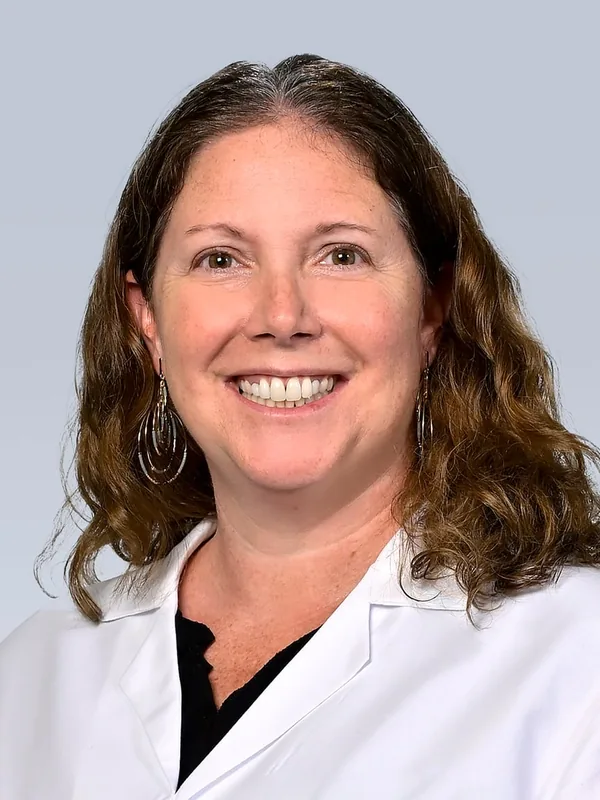
Denise Miller, MSN, CRNP
Functional neurosurgery nurse practitioner — Penn Neurosurgery
I am a functional neurosurgery nurse practitioner with Penn Neurosurgery. I provide care for patients before and after surgery as well as patient management with medications and collaborating with our neurology colleagues to provide a multi-disciplinary approach to your care. I look forward to being part of your care team.
Justine Devito, BSN, RN
Registered nurse — Penn Neurosurgery
Justine is part of the nursing team that supports patients through surgery and recovery, including questions that come up between visits.
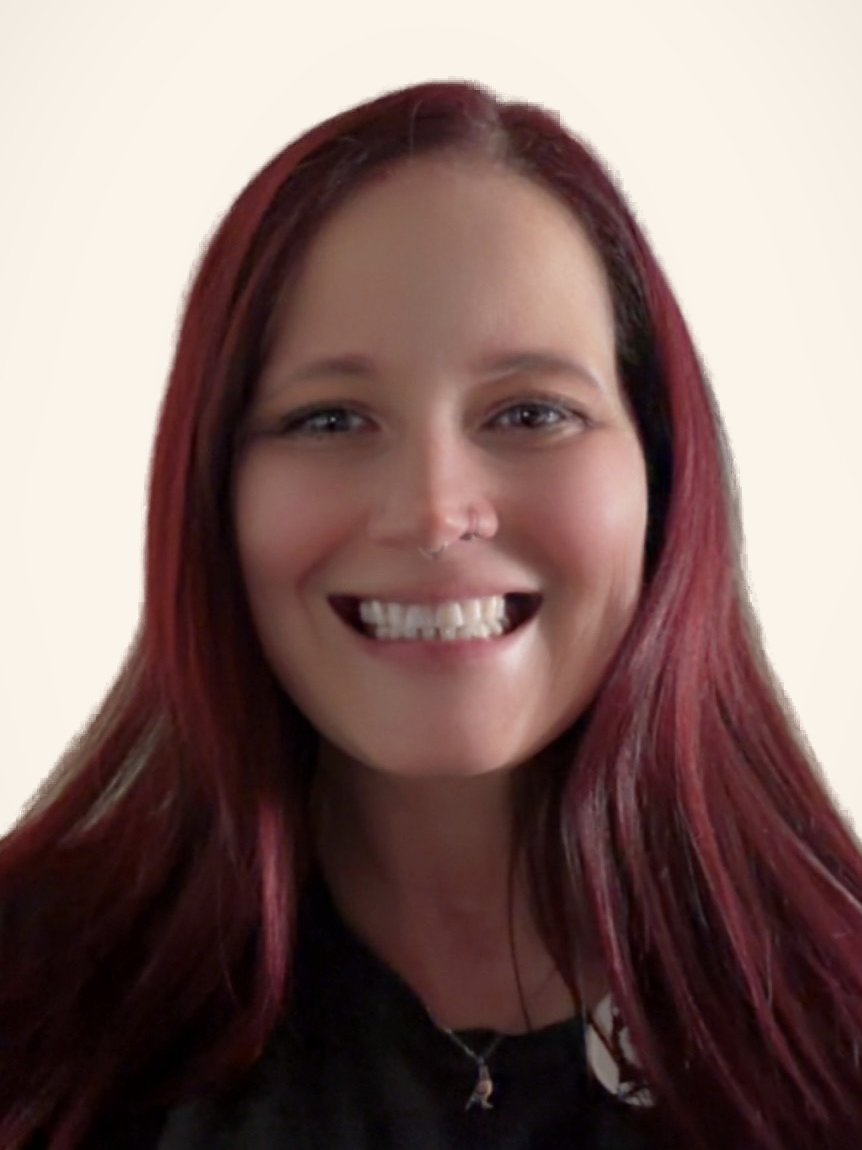
Christine Kucowski, BA
Surgical services coordinator — Penn Neurosurgery
I am the surgical services coordinator for Dr. Cajigas. I help with scheduling for office visits, radiology, and preadmission testing — the appointments that line up before your surgery. I look forward to working with you.
For the lab's research team — graduate students, postdocs, alumni — see the people page.
Su equipo clínico.
Cuando venga a la clínica — y el día de la cirugía — estas son las personas con las que trabajará más estrechamente. Cada función cubre un paso diferente de su atención, desde su primera cita hasta el seguimiento a largo plazo.
Jamie Passaro, CRNP
Enfermera de Práctica Avanzada (CRNP) — Penn Movement Disorders Center
Jamie atiende a los pacientes en la clínica para condiciones de trastornos del movimiento, epilepsia y dolor facial, junto con las vías quirúrgicas y de procedimientos que esas condiciones implican.
Denise Miller, MSN, CRNP
Enfermera de Práctica Avanzada (CRNP) de neurocirugía funcional — Penn Neurosurgery
Soy enfermera practicante de neurocirugía funcional en Penn Neurosurgery. Brindo atención a los pacientes antes y después de la cirugía, así como manejo de medicamentos y colaboración con nuestros colegas de neurología para ofrecer un enfoque multidisciplinario en su atención. Estoy ansioso por ser parte de su equipo de atención.
Justine Devito, BSN, RN
Enfermera registrada — Penn Neurosurgery
Christine Kucowski, BA
Coordinadora de servicios quirúrgicos — Penn Neurosurgery
Soy la coordinadora de servicios quirúrgicos del Dr. Cajigas. Ayudo con la programación de las visitas al consultorio, los servicios de radiología y las pruebas de preadmisión — las citas que se preparan antes de su cirugía. Espero poder colaborar con usted.
Para el equipo de investigación del laboratorio — estudiantes de posgrado, postdoctorados, exalumnos — consulte la página de personas.
Sua equipe clínica.
Quando você vier à clínica — e no dia da cirurgia — estas são as pessoas com quem trabalhará mais de perto. Cada função cobre uma etapa diferente do seu cuidado, desde sua primeira consulta até o acompanhamento de longo prazo.
Jamie Passaro, CRNP
Enfermeiro(a) de Prática Avançada (CRNP) — Penn Movement Disorders Center
Jamie atende pacientes na clínica para condições de distúrbios do movimento, epilepsia e dor facial, juntamente com as vias cirúrgicas e de procedimentos que essas condições envolvem.
Denise Miller, MSN, CRNP
Enfermeiro(a) de Prática Avançada (CRNP) em neurocirurgia funcional — Penn Neurosurgery
Sou enfermeiro(a) especialista em neurocirurgia funcional na Penn Neurosurgery. Forneço cuidados aos pacientes antes e depois da cirurgia, além do gerenciamento de medicamentos e colaboração com nossos colegas de neurologia para fornecer uma abordagem multidisciplinar ao seu cuidado. Estou ansioso para fazer parte da sua equipe de cuidados.
Justine Devito, BSN, RN
Enfermeiro(a) registrado(a) — Penn Neurosurgery
Christine Kucowski, BA
Coordenadora de serviços cirúrgicos — Penn Neurosurgery
Sou a coordenadora de serviços cirúrgicos do Dr. Cajigas. Ajudo no agendamento de consultas no consultório, exames de radiologia e testes de pré-admissão — as consultas que se organizam antes da sua cirurgia. Estou ansiosa por trabalhar com você.
Para a equipe de pesquisa do laboratório — estudantes de pós-graduação, pós-doutorandos, ex-alunos — consulte a página de pessoas.
Ekip klinik ou a.
Lè ou vini nan klinik — ak jou operasyon an — sa yo se moun ou pral travay pi plis avèk yo. Chak wòl kouvri yon etap diferan nan swen ou, soti premye randevou ou rive swivi alontèm.
Jamie Passaro, CRNP
Enfimyè Pratikan Sètifye (CRNP) — Penn Movement Disorders Center
Jamie wè pasyan nan klinik pou kondisyon twoub mouvman, epilepsi, ak doulè nan figi, ansanm ak chemen chirijkal ak pwosedi kondisyon sa yo enplike.
Denise Miller, MSN, CRNP
Enfimyè Pratikan Sètifye (CRNP) newochiriji fonksyonèl — Penn Neurosurgery
Mwen se yon enfimyè pratisyen newochiriji fonksyonèl nan Penn Neurosurgery. Mwen bay swen pou pasyan anvan ak apre operasyon ansanm ak jesyon medikaman ak kolaborasyon avèk kolèg newoloji nou yo pou bay yon apwòch multidisiplinè nan swen ou. Mwen ap tann pou fè pati ekip swen ou a.
Justine Devito, BSN, RN
Enfimyè anrejistre — Penn Neurosurgery
Christine Kucowski, BA
Kowòdonatris sèvis chirijkal — Penn Neurosurgery
Mwen se kowòdonatris sèvis chirijkal pou Dr. Cajigas. Mwen ede ak orè pou vizit nan biwo, sèvis radyoloji, ak tès pre-admisyon — randevou ki aliyen anvan operasyon ou. Mwen ap tann pou m travay avèk ou.
Pou ekip rechèch laboratwa a — etidyan doktora, postdoktora, ansyen — gade paj moun yo.
您的临床团队。
当您来诊所就诊时——以及手术当天——这些是您将与之最密切合作的人员。每个角色负责您诊疗过程中的不同环节,从首次预约到长期随访。
Jamie Passaro,CRNP
高级实践护士 (CRNP) — Penn Movement Disorders Center
Jamie 在诊所为运动障碍、癫痫和面部疼痛患者提供诊疗服务,并负责这些疾病相关的外科和操作路径。
Denise Miller,MSN,CRNP
功能性神经外科高级实践护士 (CRNP) — Penn Neurosurgery
我是 Penn Neurosurgery 的功能性神经外科高级实践护士 (CRNP)。我为患者提供手术前后的护理,包括药物管理,并与神经科同事合作,为您提供多学科综合诊疗方案。我期待成为您诊疗团队的一员。
Justine Devito,BSN,RN
注册护士 — Penn Neurosurgery
Christine Kucowski,BA
手术服务协调员 — Penn Neurosurgery
我是 Cajigas 医生的手术服务协调员。我负责安排门诊就诊、影像检查及术前评估 — 即手术前需要完成的预约。期待与您合作。
如需了解实验室的研究团队——研究生、博士后、校友——请访问人员页面。
Đội ngũ lâm sàng của bạn.
Khi bạn đến phòng khám — và vào ngày phẫu thuật — đây là những người bạn sẽ làm việc cùng nhiều nhất. Mỗi vai trò phụ trách một bước khác nhau trong quá trình chăm sóc của bạn, từ cuộc hẹn đầu tiên đến theo dõi lâu dài.
Jamie Passaro, CRNP
Điều dưỡng Chuyên khoa cao cấp (CRNP) — Penn Movement Disorders Center
Jamie khám bệnh nhân tại phòng khám cho các bệnh rối loạn vận động, động kinh và đau mặt, cùng với các hướng phẫu thuật và thủ thuật liên quan đến các bệnh đó.
Denise Miller, MSN, CRNP
Điều dưỡng Chuyên khoa cao cấp (CRNP) phẫu thuật thần kinh chức năng — Penn Neurosurgery
Tôi là điều dưỡng thực hành phẫu thuật thần kinh chức năng tại Penn Neurosurgery. Tôi chăm sóc bệnh nhân trước và sau phẫu thuật cũng như quản lý thuốc và phối hợp với các đồng nghiệp thần kinh học để cung cấp phương pháp tiếp cận đa chuyên khoa cho việc chăm sóc của bạn. Tôi mong được trở thành một phần trong đội ngũ chăm sóc của bạn.
Justine Devito, BSN, RN
Cử nhân Điều dưỡng (BSN, RN) — Penn Neurosurgery
Christine Kucowski, BA
Điều phối viên dịch vụ phẫu thuật — Penn Neurosurgery
Tôi là điều phối viên dịch vụ phẫu thuật cho Bác sĩ Cajigas. Tôi giúp sắp xếp lịch hẹn khám tại phòng khám, dịch vụ X-quang và kiểm tra trước nhập viện — những cuộc hẹn cần được sắp xếp trước khi phẫu thuật của bạn. Tôi rất mong được làm việc với bạn.
Để biết về đội ngũ nghiên cứu của phòng thí nghiệm — nghiên cứu sinh, nghiên cứu viên sau tiến sĩ, cựu sinh viên — xem trang nhân sự.
Ваша клиническая команда.
Когда вы придёте в клинику — и в день операции — именно с этими людьми вы будете работать наиболее тесно. Каждая роль охватывает отдельный этап вашего лечения: от первого визита до долгосрочного наблюдения.
Jamie Passaro, CRNP
Практикующая медсестра высшей квалификации (CRNP) — Penn Movement Disorders Center
Джейми ведёт приём пациентов в клинике с двигательными расстройствами, эпилепсией и болью в области лица, а также обеспечивает хирургические и процедурные пути лечения этих состояний.
Denise Miller, MSN, CRNP
Практикующая медсестра высшей квалификации (CRNP) функциональной нейрохирургии — Penn Neurosurgery
Я — медсестра-практик функциональной нейрохирургии в Penn Neurosurgery. Я осуществляю уход за пациентами до и после операции, помогаю с медикаментозным лечением и работаю в тесном взаимодействии с нашими неврологами, обеспечивая мультидисциплинарный подход к вашему лечению. Я с нетерпением жду возможности стать частью вашей команды.
Justine Devito, BSN, RN
Дипломированная медицинская сестра — Penn Neurosurgery
Christine Kucowski, BA
Координатор хирургических услуг — Penn Neurosurgery
Я координатор хирургических услуг доктора Кахигаса. Я помогаю с записью на приёмы в клинике, радиологические исследования и предоперационное обследование — встречи, которые выстраиваются перед вашей операцией. С нетерпением жду совместной работы.
Информация об исследовательской команде лаборатории — аспирантах, постдоках, выпускниках — представлена на странице людей.
فريقك السريري.
حين تأتي إلى العيادة — وفي يوم الجراحة — هؤلاء هم الأشخاص الذين ستعمل معهم عن كثب. يغطي كل دور مرحلة مختلفة من رعايتك، من موعدك الأول حتى المتابعة طويلة الأمد.
Jamie Passaro, CRNP
ممرضة ممارسة متقدمة (CRNP) — Penn Movement Disorders Center
تستقبل جيمي المرضى في العيادة لحالات اضطرابات الحركة والصرع وآلام الوجه، إلى جانب المسارات الجراحية والإجرائية التي تستلزمها هذه الحالات.
Denise Miller, MSN, CRNP
ممرضة ممارسة متقدمة (CRNP) في جراحة الأعصاب الوظيفية — Penn Neurosurgery
أنا ممرضة ممارسة متقدمة (CRNP) في جراحة الأعصاب الوظيفية في Penn Neurosurgery. أقدّم الرعاية للمرضى قبل الجراحة وبعدها، وأساعد في إدارة الأدوية، وأتعاون مع زملائنا في طب الأعصاب لتقديم نهج متعدد التخصصات في رعايتك. أتطلع إلى أن أكون جزءاً من فريق رعايتك.
Justine Devito, BSN, RN
ممرضة معتمدة — Penn Neurosurgery
Christine Kucowski, BA
منسقة الخدمات الجراحية — Penn Neurosurgery
أنا منسقة الخدمات الجراحية للدكتور كاهيغاس. أساعد في جدولة زيارات العيادة وخدمات الأشعة واختبارات ما قبل القبول — المواعيد التي تُنسَّق قبل عملك الجراحي. أتطلع إلى العمل معك.
للاطلاع على فريق الأبحاث في المختبر — طلاب الدراسات العليا وما بعد الدكتوراه والخريجين — زُر صفحة الأشخاص.
Excerpts from patient reviews.
Selected from 400+ verified patient reviews on Penn Medicine. Quoted exactly as written; identities are not surfaced by Penn.
“Explained everything very well and gave me options.”
— Patient review · Penn Medicine
“They were very nice and didn't mind me asking questions.”
— Patient review · Penn Medicine
“Felt confident in his knowledge and expertise.”
— Patient review · Penn Medicine
These quotes appear in their original English. To read them in another language, use your browser's translation feature.
Extractos de opiniones de nuestros pacientes.
Seleccionados de más de 400 reseñas verificadas de pacientes en Penn Medicine. Citado textualmente; Penn protege el anonimato de los pacientes.
“Explained everything very well and gave me options.”
— Patient review · Penn Medicine
“They were very nice and didn't mind me asking questions.”
— Patient review · Penn Medicine
“Felt confident in his knowledge and expertise.”
— Patient review · Penn Medicine
Estas citas aparecen en su inglés original. Para leerlas en otro idioma, utilice la función de traducción de su navegador.
Trechos de avaliações de pacientes.
Selecionados de mais de 400 avaliações verificadas de pacientes na Penn Medicine. Citado exatamente como escrito; a Penn protege a identidade dos pacientes.
“Explained everything very well and gave me options.”
— Patient review · Penn Medicine
“They were very nice and didn't mind me asking questions.”
— Patient review · Penn Medicine
“Felt confident in his knowledge and expertise.”
— Patient review · Penn Medicine
Estas citações aparecem em seu inglês original. Para lê-las em outro idioma, use o recurso de tradução embutido do seu navegador.
Kèk ekstrè nan sa pasyan yo ekri.
Chwazi nan plis pase 400 evalyasyon verifye pasyan sou Penn Medicine. Site egzakteman jan yo te ekri l; Penn pa devwale idantite yo.
“Explained everything very well and gave me options.”
— Patient review · Penn Medicine
“They were very nice and didn't mind me asking questions.”
— Patient review · Penn Medicine
“Felt confident in his knowledge and expertise.”
— Patient review · Penn Medicine
Sitasyon sa yo parèt nan lang angle orijinal yo. Pou w ka li yo nan yon lòt lang, sèvi ak fonksyon tradiksyon navigatè w la.
患者评价摘录。
精选自 Penn Medicine 上 400 多条经认证的患者真实评价。原文一字未改;Penn 严格保护患者隐私及匿名性。
“Explained everything very well and gave me options.”
— Patient review · Penn Medicine
“They were very nice and didn't mind me asking questions.”
— Patient review · Penn Medicine
“Felt confident in his knowledge and expertise.”
— Patient review · Penn Medicine
这些评语均保留了英文原貌。如需阅读其他语言版本,请使用浏览器的内置翻译功能。
Trích đoạn từ các đánh giá của bệnh nhân.
Được chọn lọc từ hơn 400 đánh giá bệnh nhân đã được xác thực trên Penn Medicine. Trích dẫn nguyên văn; danh tính bệnh nhân được Penn bảo mật tuyệt đối.
“Explained everything very well and gave me options.”
— Patient review · Penn Medicine
“They were very nice and didn't mind me asking questions.”
— Patient review · Penn Medicine
“Felt confident in his knowledge and expertise.”
— Patient review · Penn Medicine
Những trích dẫn này được giữ nguyên bản tiếng Anh. Để đọc bằng ngôn ngữ khác, hãy sử dụng tính năng dịch tự động của trình duyệt.
Выдержки из отзывов пациентов.
Отобрано на основе более 400 верифицированных отзывов пациентов на Penn Medicine. Цитаты приведены в исходном виде; Penn Medicine полностью сохраняет анонимность авторов.
«Всё очень подробно объяснил и предложил несколько вариантов лечения».
— Отзыв пациента · Penn Medicine
«Они были очень любезны и охотно отвечали на все мои вопросы».
— Отзыв пациента · Penn Medicine
«Я чувствовала себя уверенно, зная о его высоком уровне знаний и опыта».
— Отзыв пациента · Penn Medicine
Эти цитаты приведены в переводе. Чтобы ознакомиться с ними на языке оригинала (английском), вы можете переключить языковую панель сайта.
مقتطفات من تقييمات المرضى.
تم اختيارها من بين أكثر من 400 تقييم معتمد للمرضى على Penn Medicine. نُقلت العبارات كما كُتبت تماماً؛ وتضمن Penn حماية هوية وخصوصية المرضى.
"شرح لي كل شيء بشكل ممتاز وقدم لي خيارات علاجية متنوعة."
— تقييم مريض · Penn Medicine
"كانوا طيبين للغاية ولم يمانعوا الإجابة على كافة أسئلتي."
— تقييم مريض · Penn Medicine
"شعرت باطمئنان وثقة كبيرة في معرفته الواسعة وخبرته العالية."
— تقييم مريض · Penn Medicine
تظهر هذه الاقتباسات مترجمة للغة العربية. لقراءتها بلغات أخرى، يرجى استخدام ميزة الترجمة المدمجة في متصفحك.
Looking for a second opinion?
You don't need to switch doctors to talk with us. Penn Medicine offers second opinions across the conditions Dr. Cajigas treats — including Parkinson's disease, essential tremor, dystonia, epilepsy and seizure disorders, trigeminal neuralgia, occipital neuralgia, hemifacial spasm, glossopharyngeal neuralgia, and post-stroke arm and hand recovery.
If you've already been seen elsewhere and want a fresh look — or if you've been told you may need surgery and want to confirm it's the right next step — a second-opinion consultation is a way to get a Penn perspective without changing your care team. Visits are available both in person at Pennsylvania Hospital and via telehealth. Dr. Cajigas holds active medical licenses in Pennsylvania, New Jersey, and Delaware, and can see patients across these three states by video; telehealth visits from other states may also be possible depending on that state's regulations on out-of-state providers.
Request online
Maybe you have already been seen somewhere else and want a fresh look. Maybe you have been told you may need surgery, and you want to be sure it is the right next step. A second opinion lets you hear from us without leaving your own care team.
You can be seen in person at Pennsylvania Hospital, or by video. Dr. Cajigas is licensed in Pennsylvania, New Jersey, and Delaware. He can see you by video if you live in one of those three states. If you live somewhere else, a video visit may still be possible. The rules are set by each state, so call us and we will check for you.
Penn Medicine second opinions →Call to schedule
Speak with a Penn Medicine intake specialist who can route you to the right team.
800-789-7366¿Busca una segunda opinión?
No necesita cambiar de médico para hablar con nosotros. Penn Medicine ofrece segundas opiniones en todas las afecciones que trata el Dr. Cajigas — incluidas la enfermedad de Parkinson, el temblor esencial, la distonía, la epilepsia y los trastornos convulsivos, la neuralgia del trigémino, la neuralgia occipital, el espasmo hemifacial, la neuralgia glosofaríngea y la recuperación del brazo y la mano después de un accidente cerebrovascular.
Si ya lo han atendido en otro lugar y quiere una nueva valoración — o si le han dicho que puede necesitar cirugía y quiere confirmar que es el paso correcto — una consulta de segunda opinión es una forma de obtener la perspectiva de Penn sin cambiar de equipo de atención. Las visitas están disponibles tanto en persona en el Pennsylvania Hospital como por telemedicina. El Dr. Cajigas tiene licencias médicas activas en Pensilvania, Nueva Jersey y Delaware, y puede atender a pacientes en estos tres estados por video; las visitas por telemedicina desde otros estados también pueden ser posibles según la normativa de ese estado sobre proveedores de fuera del estado.
Solicitar en línea
Tal vez ya lo atendieron en otro lugar y quiere una nueva valoración. Tal vez le dijeron que puede necesitar cirugía y quiere estar seguro de que es el paso correcto. Una segunda opinión le permite escucharnos sin dejar su propio equipo de atención.
Puede venir en persona al Pennsylvania Hospital, o vernos por video. El Dr. Cajigas tiene licencia en Pensilvania, Nueva Jersey y Delaware. Puede atenderlo por video si vive en uno de esos tres estados. Si vive en otro lugar, la visita por video quizá también sea posible. Cada estado pone sus reglas, así que llámenos y lo averiguamos por usted.
Segundas opiniones de Penn Medicine →Llamar para programar
Hable con un especialista de admisión de Penn Medicine que puede dirigirlo al equipo adecuado.
800-789-7366Procura uma segunda opinião?
Você não precisa trocar de médico para falar conosco. A Penn Medicine oferece segundas opiniões em todas as condições que o Dr. Cajigas trata — incluindo doença de Parkinson, tremor essencial, distonia, epilepsia e distúrbios convulsivos, neuralgia do trigêmeo, neuralgia occipital, espasmo hemifacial, neuralgia glossofaríngea e recuperação do braço e da mão após um AVC.
Se você já foi atendido em outro lugar e quer uma nova avaliação — ou se disseram que você pode precisar de cirurgia e quer confirmar se é o próximo passo certo — uma consulta de segunda opinião é uma forma de obter a perspectiva da Penn sem trocar de equipe de cuidados. As consultas estão disponíveis tanto presencialmente no Pennsylvania Hospital quanto por telemedicina. O Dr. Cajigas tem licenças médicas ativas na Pensilvânia, em Nova Jersey e em Delaware, e pode atender pacientes nesses três estados por vídeo; consultas por telemedicina de outros estados também podem ser possíveis, dependendo das regras daquele estado sobre profissionais de fora do estado.
Solicitar online
Talvez você já tenha sido atendido em outro lugar e queira uma nova avaliação. Talvez tenham dito que você pode precisar de cirurgia e você queira ter certeza de que é o próximo passo certo. Uma segunda opinião permite que você nos ouça sem deixar a sua equipe de cuidados.
Você pode ser atendido presencialmente no Pennsylvania Hospital, ou por vídeo. O Dr. Cajigas tem licença na Pensilvânia, em Nova Jersey e em Delaware. Ele pode atender você por vídeo se você morar em um desses três estados. Se morar em outro lugar, a consulta por vídeo ainda pode ser possível. Cada estado define suas regras, então ligue para nós e nós verificamos.
Segundas opiniões da Penn Medicine →Ligar para agendar
Fale com um especialista de admissão da Penn Medicine que pode encaminhá-lo para a equipe certa.
800-789-7366W ap chèche yon dezyèm opinyon?
Ou pa bezwen chanje doktè pou pale ak nou. Penn Medicine ofri dezyèm opinyon pou tout kondisyon Doktè Cajigas trete — ki gen ladan maladi Pakinson, tranbleman esansyèl, distoni, epilepsi ak maladi kriz, nevralji trijemenal, nevralji oksipital, espasm emifasyal, nevralji glosofaringyen, ak rekiperasyon bra ak men apre yon AVC.
Si yo te deja wè ou yon lòt kote epi ou vle yon nouvo evalyasyon — oswa si yo te di ou ou ka bezwen operasyon epi ou vle konfime se bon pwochen etap la — yon konsiltasyon dezyèm opinyon se yon fason pou jwenn pèspektiv Penn san chanje ekip swen ou. Vizit yo disponib ni an pèsòn nan Pennsylvania Hospital ni pa telesante. Doktè Cajigas gen lisans medikal aktif nan Pennsylvania, New Jersey, ak Delaware, epi li ka wè pasyan nan twa eta sa yo pa videyo; vizit telesante ki soti nan lòt eta yo ka posib tou selon règleman eta sa a sou founisè ki soti deyò eta a.
Mande sou entènèt
Petèt yo te deja wè ou yon lòt kote epi ou vle yon lòt evalyasyon. Petèt yo te di ou ou ka bezwen operasyon, epi ou vle asire w se bon pwochen etap la. Yon dezyèm opinyon pèmèt ou tande nou san ou pa kite pwòp ekip swen ou.
Ou ka wè nou an pèsòn nan Pennsylvania Hospital, oswa pa videyo. Doktè Cajigas gen lisans nan Pennsylvania, New Jersey, ak Delaware. Li ka wè ou pa videyo si w ap viv nan youn nan twa eta sa yo. Si w ap viv yon lòt kote, yon vizit pa videyo ka toujou posib. Chak eta fè règ pa l, kidonk rele nou epi n ap tcheke pou ou.
Dezyèm opinyon Penn Medicine →Rele pou pran randevou
Pale ak yon espesyalis admisyon Penn Medicine ki ka voye ou nan ekip ki apwopriye a.
800-789-7366需要第二意见咨询?
您无需更换医生即可与我们交流。Penn Medicine 在 Cajigas 医生治疗的各类疾病上均提供第二意见咨询——包括帕金森病、特发性震颤、肌张力障碍、癫痫及癫痫发作性疾病、三叉神经痛、枕神经痛、面肌痉挛、舌咽神经痛,以及卒中后手臂和手部功能的恢复。
如果您已在别处就诊并希望重新评估——或者您被告知可能需要手术、想确认这是否是正确的下一步——第二意见咨询是一种在不更换您的诊疗团队的情况下获得 Penn 观点的方式。就诊可在宾夕法尼亚医院(Pennsylvania Hospital)亲自进行,也可通过远程医疗进行。Cajigas 医生持有宾夕法尼亚州、新泽西州和特拉华州的有效行医执照,可通过视频为这三个州的患者就诊;来自其他州的远程医疗就诊也可能可行,具体取决于该州关于外州医疗提供者的规定。
在线申请
也许您已经在别处看过病,想再听一次意见。也许有人告诉您可能需要手术,而您想确认这是不是正确的下一步。第二意见让您听听我们的看法,同时继续留在原来的诊疗团队。
您可以到宾夕法尼亚医院(Pennsylvania Hospital)当面就诊,也可以通过视频就诊。Cajigas 医生在宾夕法尼亚州、新泽西州和特拉华州持有行医执照。如果您住在这三个州之一,他可以通过视频为您看诊。如果您住在其他州,视频就诊也可能可行。各州规定不同,请打电话给我们,我们会帮您确认。
Penn Medicine 第二意见 →Tìm kiếm ý kiến thứ hai?
Bạn không cần đổi bác sĩ để trao đổi với chúng tôi. Penn Medicine cung cấp ý kiến thứ hai cho tất cả các bệnh lý mà Bác sĩ Cajigas điều trị — bao gồm bệnh Parkinson, run vô căn, loạn trương lực cơ, động kinh và các rối loạn co giật, đau dây thần kinh sinh ba, đau dây thần kinh chẩm, co thắt nửa mặt, đau dây thần kinh thiệt hầu, và phục hồi cánh tay và bàn tay sau đột quỵ.
Nếu bạn đã được khám ở nơi khác và muốn được đánh giá lại — hoặc nếu bạn được cho biết có thể cần phẫu thuật và muốn xác nhận đó có phải là bước tiếp theo đúng đắn — thì buổi tư vấn ý kiến thứ hai là cách để có được góc nhìn của Penn mà không phải đổi nhóm chăm sóc của bạn. Có thể khám cả trực tiếp tại Pennsylvania Hospital lẫn qua y tế từ xa. Bác sĩ Cajigas có giấy phép hành nghề y đang hiệu lực tại Pennsylvania, New Jersey và Delaware, và có thể khám cho bệnh nhân ở ba bang này qua video; việc khám từ xa từ các bang khác cũng có thể thực hiện được tùy theo quy định của bang đó về người cung cấp dịch vụ ngoài bang.
Yêu cầu trực tuyến
Có thể bạn đã khám ở nơi khác và muốn được xem lại một lần nữa. Có thể bạn được cho biết là có thể cần phẫu thuật, và bạn muốn chắc chắn đó là bước đi đúng. Ý kiến thứ hai giúp bạn nghe từ chúng tôi mà vẫn giữ nhóm chăm sóc hiện tại.
Bạn có thể đến khám trực tiếp tại Pennsylvania Hospital, hoặc khám qua video. Bác sĩ Cajigas có giấy phép hành nghề tại Pennsylvania, New Jersey và Delaware. Ông có thể khám cho bạn qua video nếu bạn sống ở một trong ba bang đó. Nếu bạn sống ở nơi khác, khám qua video vẫn có thể được. Mỗi bang có quy định riêng, vì vậy hãy gọi cho chúng tôi và chúng tôi sẽ kiểm tra giúp bạn.
Ý kiến thứ hai của Penn Medicine →Gọi để đặt lịch
Trao đổi với chuyên viên tiếp nhận của Penn Medicine để được chuyển đến đúng nhóm điều trị.
800-789-7366Ищете второе мнение?
Чтобы обратиться к нам, не нужно менять врача. Penn Medicine предоставляет второе мнение по всем состояниям, которые лечит доктор Кахигас, — включая болезнь Паркинсона, эссенциальный тремор, дистонию, эпилепсию и судорожные расстройства, невралгию тройничного нерва, невралгию затылочного нерва, гемифациальный спазм, невралгию языкоглоточного нерва и восстановление руки и кисти после инсульта.
Если вас уже осматривали в другом месте и вы хотите свежий взгляд — или если вам сказали, что может потребоваться операция, и вы хотите убедиться, что это правильный следующий шаг, — консультация для получения второго мнения позволяет узнать позицию Penn, не меняя свою лечащую команду. Приём доступен как очно в Pennsylvania Hospital, так и через телемедицину. Доктор Кахигас имеет действующие медицинские лицензии в Пенсильвании, Нью-Джерси и Делавэре и может принимать пациентов из этих трёх штатов по видеосвязи; телемедицинские приёмы из других штатов также могут быть возможны в зависимости от правил этого штата в отношении врачей из других штатов.
Запрос онлайн
Возможно, вас уже осматривали в другом месте, и вы хотите услышать ещё одно мнение. Возможно, вам сказали, что может понадобиться операция, и вы хотите убедиться, что это верный шаг. Второе мнение позволяет выслушать нас, не меняя свою лечащую команду.
Вы можете прийти на приём в Pennsylvania Hospital или встретиться по видеосвязи. У доктора Кахигаса есть лицензии в Пенсильвании, Нью-Джерси и Делавэре. По видео он может принять вас, если вы живёте в одном из этих трёх штатов. Если вы живёте в другом штате, приём по видео тоже может быть возможен. Правила устанавливает каждый штат, поэтому позвоните нам, и мы уточним.
Второе мнение Penn Medicine →Позвонить для записи
Поговорите со специалистом приёма Penn Medicine, который направит вас к нужной команде.
800-789-7366تبحث عن رأي ثانٍ؟
لا حاجة لتغيير طبيبك للتحدث إلينا. تقدّم Penn Medicine آراءً ثانية في جميع الحالات التي يعالجها الدكتور كاهيغاس — بما في ذلك داء باركنسون، والرعاش الأساسي، وخلل التوتر العضلي، والصرع واضطرابات النوبات، وألم العصب ثلاثي التوائم، وألم العصب القذالي، والتشنّج النصفي للوجه، وألم العصب البلعومي اللساني، واستعادة وظيفة الذراع واليد بعد السكتة الدماغية.
إذا سبق أن جرى فحصك في مكان آخر وترغب في تقييم جديد — أو إذا قيل لك إنك قد تحتاج إلى جراحة وتريد التأكد من أنها الخطوة التالية الصحيحة — فإن استشارة الرأي الثاني وسيلة للحصول على وجهة نظر Penn دون تغيير فريق رعايتك. الزيارات متاحة حضورياً في Pennsylvania Hospital وعبر التطبيب عن بُعد. يحمل الدكتور كاهيغاس تراخيص طبية سارية في بنسلفانيا ونيوجيرسي وديلاوير، ويمكنه استقبال المرضى في هذه الولايات الثلاث عبر الفيديو؛ وقد تكون زيارات التطبيب عن بُعد من ولايات أخرى ممكنة أيضاً بحسب لوائح تلك الولاية بشأن مقدّمي الخدمة من خارج الولاية.
اطلب عبر الإنترنت
ربما جرى فحصك في مكان آخر وتريد رأياً جديداً. وربما قيل لك إنك قد تحتاج إلى جراحة، وتريد أن تطمئن إلى أنها الخطوة الصحيحة. الرأي الثاني يتيح لك أن تسمع منّا دون أن تترك فريق رعايتك.
يمكنك زيارتنا حضورياً في Pennsylvania Hospital، أو مقابلتنا بالفيديو. الدكتور كاهيغاس مرخّص في بنسلفانيا ونيوجيرسي وديلاوير. ويمكنه رؤيتك بالفيديو إذا كنت تقيم في إحدى هذه الولايات الثلاث. وإذا كنت تقيم في ولاية أخرى، فقد تكون الزيارة بالفيديو ممكنة أيضاً. فكل ولاية تضع قواعدها، لذا اتصل بنا وسنتحقق نيابة عنك.
الرأي الثاني في Penn Medicine ←Three ways to make an appointment.
- 1. Through your current doctor. Ask them to send a referral to Penn Neurosurgery — Functional & Stereotactic Service. This is the most common path and is helpful because your doctor can send your records ahead of the visit.
- 2. By phone. Call Penn Medicine's main appointment line at 800-789-7366, or call the Pennsylvania Hospital clinic directly at 215-829-6700. Tell them you'd like to schedule with Dr. Cajigas.
- 3. Through MyPennMedicine. If you are already a Penn patient, you can request the appointment yourself in the MyPennMedicine portal.
Most insurance plans are accepted, including Aetna, Cigna, Independence Blue Cross, UnitedHealthcare, Highmark, Medicare, and Medicaid (PA & NJ). Confirm coverage with your plan before the visit.
Tres maneras de hacer una cita.
- 1. A través de su médico actual. Pídale que envíe una remisión al Penn Neurosurgery — Servicio Funcional y Estereotáctico. Este es el camino más común y es útil porque su médico puede enviar sus registros antes de la visita.
- 2. Por teléfono. Llame a la línea principal de citas de Penn Medicine al 800-789-7366, o llame directamente a la clínica de Pennsylvania Hospital al 215-829-6700. Dígales que desea programar una cita con el Dr. Cajigas.
- 3. A través de MyPennMedicine. Si ya es paciente de Penn, puede solicitar la cita usted mismo en el portal MyPennMedicine.
Se aceptan la mayoría de los planes de seguro, incluyendo Aetna, Cigna, Independence Blue Cross, UnitedHealthcare, Highmark, Medicare y Medicaid (PA y NJ). Confirme la cobertura con su plan antes de la visita.
Três maneiras de agendar uma consulta.
- 1. Por meio do seu médico atual. Peça a ele que envie um encaminhamento para o Penn Neurosurgery — Serviço Funcional e Estereotáxico. Este é o caminho mais comum e é útil porque seu médico pode enviar seus registros antes da consulta.
- 2. Por telefone. Ligue para a linha principal de agendamento da Penn Medicine pelo 800-789-7366, ou ligue diretamente para a clínica do Pennsylvania Hospital pelo 215-829-6700. Diga que gostaria de agendar com o Dr. Cajigas.
- 3. Pelo MyPennMedicine. Se você já é paciente da Penn, pode solicitar o agendamento por conta própria no portal MyPennMedicine.
A maioria dos planos de seguro é aceita, incluindo Aetna, Cigna, Independence Blue Cross, UnitedHealthcare, Highmark, Medicare e Medicaid (PA e NJ). Confirme a cobertura com seu plano antes da consulta.
Twa fason pou pran yon randevou.
- 1. Atravè doktè aktyèl ou a. Mande li voye yon referans bay Penn Neurosurgery — Sèvis Fonksyonèl ak Stereyotaksik. Sa a se chemen ki pi komen an epi li itil paske doktè ou a ka voye dosye ou yo anvan vizit la.
- 2. Pa telefòn. Rele liy prensipal randevou Penn Medicine nan 800-789-7366, oswa rele klinik Pennsylvania Hospital dirèkteman nan 215-829-6700. Di yo ou ta renmen pwograme avèk Dr. Cajigas.
- 3. Atravè MyPennMedicine. Si ou deja yon pasyan Penn, ou ka mande randevou a ou menm nan pòtay MyPennMedicine.
Pifò plan asirans yo aksepte, ki gen ladan Aetna, Cigna, Independence Blue Cross, UnitedHealthcare, Highmark, Medicare, ak Medicaid (PA ak NJ). Konfime kouvèti avèk plan ou anvan vizit la.
三种预约方式。
- 1. 通过您的主治医生。 请他们向 Penn Neurosurgery — 功能与立体定向神经外科发送转诊。这是最常见的方式,且有助于医生提前发送您的病历资料,使诊疗更有效率。
- 2. 电话预约。 致电 Penn Medicine 主预约热线 800-789-7366,或直接致电 Pennsylvania Hospital 诊所 215-829-6700。告知他们您希望预约 Cajigas 医生。
- 3. 通过 MyPennMedicine。 如果您已是 Penn 患者,可以直接在 MyPennMedicine 门户自行申请预约。
接受大多数保险计划,包括 Aetna、Cigna、Independence Blue Cross、UnitedHealthcare、Highmark、Medicare 以及 Medicaid(宾夕法尼亚州和新泽西州)。请在就诊前向您的保险计划确认覆盖范围。
Ba cách đặt lịch hẹn.
- 1. Thông qua bác sĩ hiện tại của bạn. Nhờ họ gửi giấy giới thiệu đến Penn Neurosurgery — Dịch vụ Chức năng và Định vị không gian. Đây là con đường phổ biến nhất và hữu ích vì bác sĩ của bạn có thể gửi hồ sơ trước buổi khám.
- 2. Qua điện thoại. Gọi đường dây đặt lịch chính của Penn Medicine tại 800-789-7366, hoặc gọi trực tiếp cho phòng khám Pennsylvania Hospital tại 215-829-6700. Cho họ biết bạn muốn đặt lịch với Bác sĩ Cajigas.
- 3. Qua MyPennMedicine. Nếu bạn đã là bệnh nhân Penn, bạn có thể tự yêu cầu lịch hẹn trong cổng thông tin MyPennMedicine.
Hầu hết các kế hoạch bảo hiểm được chấp nhận, bao gồm Aetna, Cigna, Independence Blue Cross, UnitedHealthcare, Highmark, Medicare và Medicaid (PA và NJ). Xác nhận phạm vi bảo hiểm với kế hoạch của bạn trước khi khám.
Три способа записаться на приём.
- 1. Через вашего лечащего врача. Попросите его направить реферал в Penn Neurosurgery — Функциональное и стереотаксическое отделение. Это наиболее распространённый путь: врач может заблаговременно передать вашу медицинскую документацию.
- 2. По телефону. Позвоните на основную линию записи Penn Medicine: 800-789-7366, или напрямую в клинику Pennsylvania Hospital: 215-829-6700. Сообщите, что хотите записаться к доктору Кахигасу.
- 3. Через MyPennMedicine. Если вы уже являетесь пациентом Penn, вы можете самостоятельно подать заявку на приём через портал MyPennMedicine.
Принимается большинство страховых планов, в том числе Aetna, Cigna, Independence Blue Cross, UnitedHealthcare, Highmark, Medicare и Medicaid (штаты PA и NJ). Уточните покрытие у своего страховщика до визита.
ثلاث طرق لحجز موعد.
- ١. عبر طبيبك الحالي. اطلب منه إرسال إحالة إلى Penn Neurosurgery — خدمة جراحة الأعصاب الوظيفية والتجسيمية. هذا هو المسار الأكثر شيوعاً ومفيد لأن طبيبك يستطيع إرسال سجلاتك قبل الزيارة.
- ٢. عبر الهاتف. اتصل بخط المواعيد الرئيسي لـPenn Medicine على 800-789-7366، أو اتصل بعيادة Pennsylvania Hospital مباشرة على 215-829-6700. أخبرهم أنك تريد تحديد موعد مع الدكتور Cajigas.
- ٣. عبر MyPennMedicine. إن كنت مريضاً في Penn بالفعل، يمكنك طلب الموعد بنفسك عبر بوابة MyPennMedicine.
تُقبل معظم خطط التأمين، بما فيها Aetna وCigna وIndependence Blue Cross وUnitedHealthcare وHighmark وMedicare وMedicaid (PA وNJ). تأكد من تغطية خطتك قبل الزيارة.
Many patients ask whether they can also help advance the research while being treated. The lab runs several IRB-approved studies that enroll patients already scheduled for surgery — your participation is voluntary and never affects your clinical care.
Muchos pacientes preguntan si también pueden ayudar a avanzar en la investigación mientras reciben tratamiento. El laboratorio realiza varios estudios aprobados por el IRB que inscriben a pacientes ya programados para cirugía — su participación es voluntaria y nunca afecta su atención clínica.
Leer sobre participación en investigación → · Ver estudios activos →
Muitos pacientes perguntam se também podem ajudar a avançar a pesquisa enquanto estão sendo tratados. O laboratório conduz vários estudos aprovados pelo IRB que inscrevem pacientes já programados para cirurgia — sua participação é voluntária e nunca afeta seu cuidado clínico.
Leia sobre participação em pesquisa → · Ver estudos ativos →
Anpil pasyan mande si yo ka ede avanse rechèch la tou pandan y ap trete. Laboratwa a ap mennen plizyè etid apwouve pa IRB ki enskri pasyan ki deja pwograme pou operasyon — patisipasyon ou volontè epi pa janm afekte swen klinik ou.
许多患者询问是否可以在接受治疗的同时帮助推进研究。实验室开展多项经 IRB 批准的研究,招募已排定手术的患者——您的参与完全自愿,且绝不影响您的临床诊疗。
Nhiều bệnh nhân hỏi liệu họ cũng có thể giúp thúc đẩy nghiên cứu trong khi đang điều trị hay không. Phòng thí nghiệm tiến hành nhiều nghiên cứu được IRB chấp thuận, tuyển dụng bệnh nhân đã được lên lịch phẫu thuật — sự tham gia của bạn là tự nguyện và không bao giờ ảnh hưởng đến việc chăm sóc lâm sàng của bạn.
Đọc về tham gia nghiên cứu → · Xem các nghiên cứu đang hoạt động →
Многие пациенты спрашивают, могут ли они помочь развитию науки в ходе лечения. Лаборатория проводит несколько исследований, одобренных IRB, в которые набираются пациенты, уже запланированные на операцию, — участие полностью добровольно и никак не влияет на вашу клиническую помощь.
Узнать об участии в исследованиях → · Текущие исследования →
كثير من المرضى يسألون عما إذا كان بإمكانهم المساهمة في تطوير البحث أثناء علاجهم. تُجري المختبر عدة دراسات معتمدة من مجلس المراجعة المؤسسية (IRB) تستقطب مرضى مقرراً لهم إجراء جراحة — مشاركتك طوعية تماماً ولن تؤثر أبداً على رعايتك السريرية.
From referral to follow-up: what to expect.
Decisions about brain or nerve surgery are not made in a single visit. The path below is what most patients go through, regardless of which track brought them here. Where the steps differ by condition, that is noted.
-
Step 01
Referral or self-referral.
Most patients arrive with a referral from a neurologist, primary-care physician, or epileptologist. You do not strictly need a referral. But it helps: your doctor can send your scans, notes, and medicine list before the visit, so we can make better use of your time. To request an appointment, call 800-789-7366.
-
Step 02
Records review and scheduling.
Once your records are received, the team reviews them to make sure a surgical evaluation is appropriate at this stage and to schedule you with the right combination of specialists. For movement disorders and epilepsy, we plan this as a team visit. You will usually meet a neurologist and a brain surgeon together, often on the same day.
-
Step 03
First visit (45 to 60 minutes).
A new-patient consultation covers your history, current symptoms, what has and has not worked, and a focused exam. Expect a discussion of options, not a surgical decision. Bring a complete medication list, a copy of any recent brain MRI on a CD or USB if you have one, your questions written down, and ideally a family member or close friend.
-
Step 04
Workup, by condition.
Surgery is rarely the next step after the first visit. The workup that follows depends on your track:
- Movement disorders: a new brain MRI and memory-and-thinking tests. For Parkinson's, we sometimes do a levodopa challenge — we check how much your symptoms improve on your usual Parkinson's medicine. Your case is then discussed at a team meeting of movement-disorders doctors. Together we work out which procedure (DBS, MRgFUS, Gamma Knife, or LITT) fits your goals.
- Epilepsy: a detailed MRI and memory-and-thinking tests. You also stay in the hospital for video-EEG, which records your seizures as they happen. Some people also need a PET or SPECT scan (two kinds of nuclear-medicine scan) — these show how active each part of the brain is, not just its shape. Your case is then reviewed by the epilepsy surgery team. Some patients also need stereo-EEG (SEEG) as a separate diagnostic step before any treatment is decided.
- Pain or facial nerve pain: we review your scans — often a detailed MRI of the trigeminal nerve if you have face pain. We also go through your medicines and what you have already tried. If you may benefit from spinal cord stimulation or DRG, you first get a temporary trial device before anything permanent is placed.
- Post-stroke arm recovery: we look at the scans from your stroke and check how well your arm moves now. We make sure enough time has passed since the stroke, and we work with your stroke doctor and your therapy team.
-
Step 05
The team reviews your case and decides.
Your case is presented at a team meeting — movement disorders, epilepsy, or pain, depending on your condition. The team agrees on whether surgery is recommended, and if so, which procedure and on which side. We then meet with you again to walk through the recommendation, the alternatives, and the risks. If you would like a second opinion before deciding, we will give you a written summary you can take to another center.
-
Step 06
Pre-operative preparation.
Once you decide to move forward, you will have a pre-operative visit for medical clearance, anesthesia review, and any needed medication adjustments. The team will tell you which medications to hold, when to stop eating, and what to expect on the day of the procedure.
-
Step 07
The procedure and hospital stay.
Length of stay depends on the procedure. MRgFUS and Gamma Knife are usually same-day. LITT is typically one to two nights. DBS is typically one to two nights. SEEG monitoring and staged operations are longer. The specifics for each procedure are described in the track sections above.
-
Step 08
Recovery and follow-up.
Post-operative follow-up varies by procedure. DBS patients return for device activation about two to four weeks after surgery, with several programming visits over the first six months. MRgFUS and Gamma Knife patients are seen within a few weeks of the procedure. Epilepsy patients are followed for at least a year for seizure outcomes. Pain patients are titrated over weeks to months as the device is optimized. We will tell you when you can drive, return to work, and resume exercise based on your specific procedure.
You can pause, ask for a second opinion, or change your mind at any point. Family members are welcome at any visit. Video visits are available for patients in Pennsylvania, New Jersey, and Delaware where the type of evaluation allows. If anything is unclear at any step, ask. There is no question too small.
De la remisión al seguimiento: qué puede esperar.
Las decisiones sobre una cirugía cerebral o de nervios no se toman en una sola visita. El camino descrito a continuación es el que recorre la mayoría de los pacientes, independientemente de la ruta médica que los haya traído aquí. Se especifica cuando los pasos varían según la afección.
-
Paso 01
Remisión o autorremisión.
La mayoría de los pacientes llegan con una remisión de un neurólogo, médico de atención primaria o epileptólogo. No es estrictamente obligatoria, pero permite que su médico envíe sus estudios de imagen, notas clínicas y lista de medicamentos antes de la visita, lo que hace que la consulta sea más útil. Para solicitar una cita, llame al 800-789-7366.
-
Paso 02
Revisión de expedientes y programación de citas.
Una vez recibidos sus expedientes médicos, el equipo los revisa para confirmar que una evaluación quirúrgica es adecuada en esta etapa y programar su cita con la combinación adecuada de especialistas. En el caso de los trastornos del movimiento y la epilepsia, se trata de una visita conjunta con un equipo multidisciplinario: por lo general, se reunirá con un neurólogo y un neurocirujano al mismo tiempo, a veces el mismo día.
-
Paso 03
Primera visita (de 45 a 60 minutos).
La consulta inicial para nuevos pacientes cubre su historial médico, síntomas actuales, tratamientos previos que han funcionado o fallado, y un examen focalizado. Espere una conversación detallada sobre sus opciones, no una decisión quirúrgica inmediata. Traiga una lista completa de sus medicamentos, una copia de cualquier resonancia magnética cerebral reciente en un CD o USB (si dispone de ella), sus preguntas por escrito e, idealmente, a un familiar o amigo cercano.
-
Paso 04
Evaluación diagnóstica según la afección.
La cirugía rara vez es el paso inmediato tras la primera visita. Los estudios posteriores dependerán de su ruta médica:
- Trastornos del movimiento: Resonancia magnética cerebral actualizada, pruebas neuropsicológicas y (para la enfermedad de Parkinson) a veces una prueba de levodopa, que mide cuánto mejoran sus síntomas con su medicamento habitual para el Parkinson. Posteriormente, su caso se analiza en una sesión médica multidisciplinaria de trastornos del movimiento para determinar qué procedimiento (DBS, MRgFUS, Gamma Knife o LITT) se adapta mejor a sus objetivos.
- Epilepsia: Resonancia magnética de alta resolución, monitoreo de video-EEG (una estancia hospitalaria para registrar las crisis), pruebas neuropsicológicas y, en ocasiones, estudios de imagen PET o SPECT: dos tipos de estudio que muestran qué tan activas están las distintas partes del cerebro, no solo su forma. Su caso es revisado en la sesión médica de cirugía de epilepsia. Algunos pacientes también requieren una estereo-electroencefalografía (SEEG) como paso diagnóstico independiente antes de decidir cualquier tratamiento.
- Dolor o dolor del nervio facial: Revisión de estudios de imagen (frecuentemente una resonancia magnética de alta resolución del nervio trigémino para el dolor facial), revisión de medicamentos y evaluación de tratamientos previos. Para los candidatos a estimulación de la médula espinal o del DRG, es habitual realizar un período de prueba percutáneo antes de colocar cualquier implante permanente.
- Recuperación del brazo tras un accidente cerebrovascular: Revisión de las imágenes de su accidente cerebrovascular, una evaluación funcional actual de la fuerza y el movimiento del brazo, confirmación de que se encuentra dentro del período de tiempo elegible después del accidente cerebrovascular y coordinación con su neurólogo de accidentes cerebrovasculares y el equipo de rehabilitación.
-
Paso 05
El equipo revisa su caso y decide.
Su caso se presenta en una junta médica del equipo (de trastornos del movimiento, epilepsia o dolor, según corresponda). El equipo llega a un consenso sobre si se recomienda la cirugía y, de ser así, qué procedimiento y en qué lado. Luego nos reuniremos con usted nuevamente para explicarle la recomendación, las alternativas y los riesgos. Si desea una segunda opinión antes de decidir, le entregaremos un resumen por escrito para que pueda presentarlo en otro centro médico.
-
Paso 06
Preparación preoperatoria.
Una vez que decida seguir adelante, tendrá una visita preoperatoria para obtener la autorización médica, la evaluación de anestesia y realizar los ajustes necesarios en sus medicamentos. El equipo le indicará qué medicamentos debe suspender, cuándo dejar de comer y qué esperar el día del procedimiento.
-
Paso 07
El procedimiento y la estancia hospitalaria.
La duración de la estancia depende del procedimiento. Los tratamientos con MRgFUS y Gamma Knife suelen ser ambulatorios (el mismo día). El procedimiento LITT generalmente requiere de una a dos noches de hospitalización. El DBS suele requerir de una a dos noches. El monitoreo con SEEG y las operaciones por etapas conllevan estancias más largas. Los detalles específicos de cada procedimiento se describen en las secciones correspondientes de cada ruta más arriba.
-
Paso 08
Recuperación y seguimiento.
El seguimiento postoperatorio varía según el procedimiento. Los pacientes de DBS regresan para la activación del dispositivo entre dos y cuatro semanas después de la cirugía, con varias visitas de programación durante los primeros seis meses. Los pacientes de MRgFUS y Gamma Knife son evaluados a las pocas semanas del procedimiento. Los pacientes de epilepsia reciben un seguimiento de al menos un año para evaluar el control de las crisis. En los pacientes de dolor, la calibración del dispositivo se realiza de forma gradual a lo largo de semanas o meses para optimizar los resultados. Le indicaremos cuándo puede volver a conducir, regresar al trabajo y reanudar el ejercicio físico en función de su procedimiento específico.
Puede pausar el proceso, solicitar una segunda opinión o cambiar de opinión en cualquier momento. Los familiares son bienvenidos en todas las visitas. Ofrecemos consultas virtuales por video para pacientes en Pensilvania, Nueva Jersey y Delaware, siempre que el tipo de evaluación médica lo permita. Si algo no está claro en cualquier etapa, no dude en preguntar. No hay preguntas demasiado pequeñas.
Do encaminhamento ao acompanhamento: o que esperar.
As decisões sobre uma cirurgia cerebral ou de nervos não são tomadas em uma única consulta. O caminho descrito abaixo é o que a maioria dos pacientes percorre, independentemente da via médica que os trouxe aqui. Quando as etapas diferem por condição, isso é indicado.
-
Passo 01
Encaminhamento ou autoencaminhamento.
A maioria dos pacientes chega com um encaminhamento de um neurologista, médico de cuidados primários ou epileptologista. Um encaminhamento não é estritamente obrigatório, mas permite que seu médico envie seus exames de imagem, anotações e lista de medicamentos antes da consulta, o que a torna mais útil. Para solicitar uma consulta, ligue para 800-789-7366.
-
Passo 02
Revisão de registros e agendamento.
Assim que seus registros médicos forem recebidos, a equipe os revisará para garantir que uma avaliação cirúrgica seja apropriada nesta fase e para agendar você com a combinação certa de especialistas. Para distúrbios do movimento e epilepsia, esta é uma consulta em equipe por definição: você geralmente se reunirá com um neurologista e um neurocirurgião juntos, às vezes no mesmo dia.
-
Passo 03
Primeira consulta (45 a 60 minutos).
A consulta inicial para novos pacientes abrange seu histórico, sintomas atuais, tratamentos que funcionaram ou falharam, e um exame direcionado. Espere uma discussão detalhada de opções, não uma decisão cirúrgica imediata. Traga uma lista completa de medicamentos, uma cópia de qualquer ressonância magnética cerebral recente em CD ou USB (se houver), suas perguntas anotadas e, idealmente, um familiar ou amigo próximo.
-
Passo 04
Avaliação diagnóstica, por condição.
A cirurgia raramente é o próximo passo após a primeira visita. A avaliação que se segue depende da sua via de tratamento:
- Distúrbios do movimento: Ressonância magnética cerebral atualizada, testes neuropsicológicos e (para Parkinson) às vezes um teste de levodopa, que mede o quanto do seu sintoma melhora com a medicação usual. Seu caso é então discutido em uma conferência multidisciplinar de distúrbios do movimento, onde avaliamos qual procedimento (DBS, MRgFUS, Gamma Knife ou LITT) se adapta melhor aos seus objetivos.
- Epilepsia: Ressonância magnética de alta resolução, monitoramento por vídeo-EEG (uma internação para registrar as crises), testes neuropsicológicos e, às vezes, exames PET ou SPECT (dois tipos de exame de medicina nuclear): dois tipos de exame que mostram o quanto as diferentes partes do cérebro estão ativas, e não apenas o seu formato. Seu caso é revisado na conferência multidisciplinar de cirurgia de epilepsia. Alguns pacientes também precisam de estéreo-EEG (SEEG) como etapa diagnóstica separada antes de decidir qualquer tratamento.
- Dor ou dor no nervo facial: Revisão de exames de imagem (frequentemente uma RM de alta resolução do nervo trigêmeo para dor facial), revisão de medicamentos e avaliação de tratamentos anteriores. Para candidatos à estimulação da medula espinhal ou DRG, é comum um período de teste percutâneo antes de qualquer implante permanente.
- Recuperação do braço após AVC: Revisão das imagens do seu AVC, avaliação funcional atual da força e movimento do braço, confirmação de que você está dentro da janela elegível após o AVC e coordenação com seu neurologista de AVC e equipe de reabilitação.
-
Passo 05
A equipe revisa o seu caso e decide.
Seu caso é apresentado em uma junta médica da equipe (distúrbios do movimento, epilepsia ou dor, dependendo da via). A equipe entra em consenso se a cirurgia é recomendada e, em caso afirmativo, qual procedimento e de que lado. Em seguida, nos reunimos com você novamente para explicar a recomendação, as alternativas e os riscos. Se quiser uma segunda opinião antes de decidir, forneceremos um resumo por escrito que você pode levar para outro centro médico.
-
Passo 06
Preparação pré-operatória.
Quando decidir seguir em frente, você terá uma consulta pré-operatória para liberação médica, avaliação anestésica e quaisquer ajustes de medicação necessários. A equipe dirá quais medicamentos suspender, quando parar de comer e o que esperar no dia do procedimento.
-
Passo 07
O procedimento e a internação hospitalar.
O tempo de permanência depende do procedimento. MRgFUS e Gamma Knife geralmente são ambulatoriais (alta no mesmo dia). LITT normalmente requer uma a duas noites de internação. DBS normalmente requer uma a duas noites. O monitoramento com SEEG e cirurgias em etapas são mais longos. As especificidades de cada procedimento são descritas nas seções das vias acima.
-
Passo 08
Recuperação e acompanhamento.
O acompanhamento pós-operatório varia de acordo com o procedimento. Os pacientes de DBS retornam para a ativação do dispositivo cerca de duas a quatro semanas após a cirurgia, com várias consultas de programação nos primeiros seis meses. Os pacientes de MRgFUS e Gamma Knife são avaliados algumas semanas após o procedimento. Os pacientes de epilepsia são acompanhados por pelo menos um ano para monitorar os resultados das crises. Em pacientes com dor, a dosagem é ajustada ao longo de semanas ou meses conforme o dispositivo é otimizado. Informaremos quando você poderá dirigir, voltar ao trabalho e retomar os exercícios físicos, com base no seu procedimento específico.
Você pode pausar, pedir uma segunda opinião ou mudar de ideia a qualquer momento. Os familiares são muito bem-vindos em todas as consultas. Consultas por vídeo estão disponíveis para pacientes na Pensilvânia, Nova Jersey e Delaware, sempre que o tipo de avaliação médica permitir. Se algo não estiver claro em qualquer etapa, não hesite em perguntar. Nenhuma pergunta é pequena demais.
Soti nan referans lan rive nan swivi a: kisa pou w atann.
Desizyon sou operasyon nan sèvo oswa nan nè pa janm pran nan yon sèl vizit. Chemen ki dekri anba a se sa pifò pasyan pase ladan l, kèlkeswa wout ki te mennen yo isit la. Lè gen yon diferans nan etap yo dapre maladi a, n ap fè w konn sa.
-
Etap 01
Referans oswa pwòp demann ou.
Pifò pasyan rive avèk yon referans nan men yon newològ, yon doktè jeneralis, oswa yon epileptològ. Yon referans pa vrèman obligatwa, men li pèmèt doktè ou voye imaj ou yo, nòt medikal yo, ak lis medikaman ou yo anvan vizit la, sa ki fè konsiltasyon an pi efikas. Pou w mande yon randevou, rele 800-789-7366.
-
Etap 02
Egzamen dosye medikal ak planifikasyon.
Lè nou resevwa dosye w yo, ekip la egzamine yo pou asire yon evalyasyon chirijikal apwopriye nan etap sa a, epi pou planifye w ak bon konbinezon espesyalis yo. Pou twoub mouvman ak epilepsi, sa a se yon vizit an ekip pa konsepsyon: jeneralman w ap rankontre yon newològ ak yon nerochirijyen ansanm, pafwa nan menm jou a.
-
Etap 03
Premye vizit (45 a 60 minit).
Konsiltasyon pou yon nouvo pasyan kouvri istwa medikal ou, sentòm ou gen kounye a, sa ki te mache ak sa ki pa t mache, ak yon egzamen sible. Atann ou a yon diskisyon sou opsyon yo, pa a yon desizyon chirijikal imedya. Pote yon lis konplè medikaman w ap pran yo, yon kopi nenpòt IRM sèvo ki fèt resamman sou yon CD oswa USB si w genyen l, kesyon ou yo ekri sou papye, epi idealman, vin ak yon manm fanmi w oswa yon bon zanmi.
-
Etap 04
Bilan medikal, dapre kondisyon an.
Operasyon raman se pwochen etap la apre premye vizit la. Bilan medikal ki fèt apre a depann de chemen ou a:
- Twoub mouvman: yon IRM sèvo ajou, tès neropsikolojik, epi (pou Parkinson) pafwa yon tès levodopa, ki mezire jis nan ki pwen sentòm ou yo amelyore avèk medikaman nòmal ou pran pou Parkinson nan. Apre sa, yo pral diskite ka w la nan yon konferans miltidisiplinè pou twoub mouvman, kote n ap evalye ki pwosedi (DBS, MRgFUS, Gamma Knife, oswa LITT) ki pi byen reponn a objektif ou yo.
- Epilepsi: IRM ak gwo rezolisyon, siveyans videyo-EEG (kote w ap pase kèk jou nan lopital pou anrejistre kriz yo), tès neropsikolojik, epi pafwa yon imajri PET oswa SPECT (de kalite egzamen medsin nikleyè) — de kalite egzamen ki montre konbyen chak pati nan sèvo a aktif, se pa sèlman fòm li. Y ap revize ka w la nan konferans miltidisiplinè operasyon pou epilepsi a. Gen kèk pasyan tou ki bezwen yon estereo-EEG (SEEG) kòm yon etap dyagnostik separe anvan yo deside sou nenpòt tretman.
- Doulè oswa doulè nan nè figi: yon egzamen sou imaj medikal ou yo (souvan yon IRM ak gwo rezolisyon nan nè trijimo a pou doulè nan figi), evalyasyon medikaman w yo, ak evalyasyon tretman ou te resevwa deja. Pou moun ki kandida pou estimilasyon mwèl epinyè oswa DRG, jeneralman gen yon peryòd tès anba po (percutaneous) anvan yo mete yon enplan pèmanan.
- Rekiperasyon bra apre yon AVC: egzamen imaj AVC ou a, yon evalyasyon aktyèl sou fòs ak mouvman bra ou, konfimasyon ou anndan fenèt tan ki pèmèt entèvansyon apre AVC a, epi kowòdinasyon avèk newològ AVC ou a ansanm ak ekip reyabilitasyon w lan.
-
Etap 05
Ekip la revize ka ou epi deside.
Y ap prezante ka w la nan yon konferans an ekip (twoub mouvman, epilepsi, oswa doulè, selon chemen an). Ekip la ap mete l dakò pou konnen si yo rekòmande operasyon an, epi si se wi, ki pwosedi ak nan ki bò. Lèfini, n ap rankontre avèk ou ankò pou esplike w rekòmandasyon an, altènativ yo, ak risk yo. Si w ta renmen yon dezyèm opinyon anvan ou deside, n ap ba w yon rezime alekri ou ka pote nan yon lòt sant.
-
Etap 06
Preparasyon anvan operasyon an.
Yon fwa ou deside avanse, w ap fè yon vizit pre-operatwa pou yon otorizasyon medikal, evalyasyon pou anestezi a, epi nenpòt ajisteman medikaman ki nesesè. Ekip la ap di w ki medikaman ou dwe kanpe, ki lè pou w sispann manje, ak kisa pou w atann nan jou pwosedi a.
-
Etap 07
Pwosedi a ak jou nan lopital la.
Kantite tan ou fè nan lopital la depann de pwosedi a. Jeneralman, pasyan MRgFUS ak Gamma Knife ale lakay yo menm jou a. Pwosedi LITT la konn mande youn a de nwit nan lopital. DBS konn mande youn a de nwit. Siveyans SEEG ak operasyon ki fèt pa etap mande plis tan nan lopital. Tout detay pou chak pwosedi yo dekri nan seksyon chemen yo pi wo a.
-
Etap 08
Rekiperasyon ak swivi.
Swivi apre operasyon an varye selon pwosedi a. Pasyan DBS yo retounen pou aktivasyon aparèy la anviwon de a kat semèn apre operasyon an, avèk plizyè vizit pwogramasyon pandan premye sis mwa yo. Pasyan MRgFUS ak Gamma Knife yo wè doktè a nan kèk semèn apre pwosedi a. Pasyan epilepsi yo gen yon swivi pou omwen yon ane pou evalye rezilta kriz yo. Pou pasyan ki gen doulè, yo ajiste aparèy la gradyèlman pandan plizyè semèn oswa mwa jiskaske li byen regle. N ap di w ki lè w ka kondui, tounen travay, epi reprann egzèsis selon pwosedi espesifik ou fè a.
Ou ka pran yon poz, mande yon dezyèm opinyon, oswa chanje lide nenpòt kilè. Fanmi ou toujou byenveni nan tout vizit yo. Vizit sou videyo disponib pou pasyan ki nan Pennsylvania, New Jersey, ak Delaware lè kalite evalyasyon an pèmèt sa. Si gen nenpòt bagay ki pa klè nan nenpòt etap, pa ezite poze kesyon. Pa gen kesyon ki twò piti.
从医生转诊到术后随访:您可以期待的诊疗流程。
关于脑部或神经手术的医疗决策绝非一次就诊就能匆忙决定。无论您是通过哪条治疗路径来到这里,绝大多数患者都会经历以下诊疗流程。如果某些步骤因具体疾病而有所不同,我们会在文中特别注明。
-
步骤 01
医疗转诊或自主就诊。
大多数患者在就诊时都持有神经科医生、初级保健医生或癫痫专科医生的转诊单。虽然转诊并非硬性强制要求,但它能让您的主治医生在您到诊前,提前将您的影像资料、病历记录和药物清单发送给我们,从而让首次问诊更加高效深入。如需预约就诊,请致电 800-789-7366。
-
步骤 02
病历资料审查与时间排定。
在收到您的完整病历资料后,我们的多学科团队会进行严格审查,以确保当前阶段进行外科手术评估是完全合适且必要的,并为您匹配排定最合适的专家团队。对于运动障碍和癫痫患者,这通常是一次专门设计的多学科联合门诊:您通常会同时见到神经内科专家和神经外科医生,甚至在同一天内完成。
-
步骤 03
首次门诊看诊(45 至 60 分钟)。
针对新患者的首次全面咨询将深入覆盖您的过往病史、当前症状、哪些治疗有效、哪些治疗失败,并进行针对性的神经系统专项检查。请做好心理准备,这次就诊是一次关于治疗方案的深度探讨,而非立即做出手术决定。就诊时请务必携带:一份详尽且完整的当前服用药物清单、近期脑部 MRI 影像的 CD 光盘或 USB 闪存盘(如有),写有您所有疑问的清单,并强烈建议由一位家人或密友陪同就诊。
-
步骤 04
针对具体病情的术前精细检查。
首次问诊结束后,手术很少会立即成为下一步。随后的临床检查将完全取决于您的治疗路径:
- 运动障碍路径:更新脑部 MRI 扫描、接受全面的神经心理学测试,对于帕金森病患者,有时还需要进行左旋多巴冲击试验(Levodopa Challenge,用以精确测量当前帕金森药物对您症状的改善程度)。随后,您的案例将在多学科运动障碍学术会议上进行集体讨论,以筛选出最符合您生活质量目标的治疗方案(DBS、MRgFUS、伽玛刀或 LITT)。
- 癫痫路径:高分辨率核磁共振(MRI)扫描、长程视频脑电图(Video-EEG)监测(需住院记录癫痫发作时的脑电波)、神经心理学测试,有时还需配合 PET 或 SPECT 影像(两种核医学扫描)——这两种扫描显示大脑各部分的活跃程度,而不只是形状。您的案例将在多学科癫痫外科会议上进行集体评审。部分患者在最终确定治疗方案前,还需要将立体定向脑电图(SEEG)作为独立的诊断步骤先行实施。
- 疼痛或面神经疼痛路径:详尽的影像学审查(针对面部疼痛,通常需要进行三叉神经的高分辨率 MRI 脑神经扫描)、当前药物疗效评估以及过往治疗史审查。对于考虑脊髓刺激(SCS)或背根神经节(DRG)刺激的患者,在进行任何永久性硬件植入之前,通常都需要经历一个外周或硬膜外临时试验期。
- 脑卒中后手臂功能恢复路径:细致审查您的脑卒中历史影像资料、对当前手臂力量和运动功能进行全面的量化临床评估、确认您处于中风后的最佳治疗时间窗口内,并与您的卒中内科专家及康复医学团队进行深度协同。
-
步骤 05
医疗团队评审您的病情并作出决定。
您的病历和检查结果将被提交至相应的专家临床会议(根据路径不同,提交至运动障碍、癫痫或疼痛联合会议)。专家团队将就"是否推荐手术、如果推荐,采用哪种具体手术方式、在左侧还是右侧大脑实施"达成一致共识。随后,我们将再次与您会诊,详细向您阐述专家团队的医疗建议、替代方案以及潜在的风险。如果您在做决定前希望听取第二意见,我们将为您提供一份详细的书面诊疗建议摘要,方便您带去其他医学中心。
-
步骤 06
术前准备阶段。
当您慎重决定推进手术后,您将接受一次全面的术前门诊,包括全身体检以获取外科手术许可、麻醉科专家评估以及必要的术前药物调整。临床团队会明确指导您哪些药物需要提前停用(如抗凝药)、术前何时开始禁食禁水,以及手术当天的完整流程和预期。
-
步骤 07
手术实施与住院关怀。
术后住院时间的长短完全取决于具体的手术类型。磁共振引导聚焦超声(MRgFUS)和伽玛刀放射外科通常属于门诊日间手术,当天即可出院。激光间质热疗(LITT)和脑深部电刺激术(DBS)通常需要在医院病房度过一到两个夜晚。而长程 SEEG 脑电监测以及分阶段实施的复合外科手术则需要更长的住院周期。每种手术的临床细节已在上方对应的路径章节中详细列出。
-
步骤 08
术后康复与长期随访。
手术结束后的随访流程因人而异、因病而异。DBS(脑起搏器)患者通常在术后二至四周回到诊所进行装置的首次开机激活,并在术后前六个月内进行多次精细的参数编程与程控随访。MRgFUS(聚焦超声)和伽玛刀患者将在术后几周内回诊复查。癫痫手术患者将接受至少一年的严格随访,以精确评估癫痫发作的控制效果。疼痛管理患者将在术后数周至数月内逐步滴定调整刺激剂量,以实现最佳的镇痛状态。我们将根据您的具体手术方式,明确指导您何时可以安全驾驶、重返工作岗位以及恢复体育锻炼。
在整个过程中的任何一个时间点,您都拥有绝对的权利暂停流程、寻求其他医疗机构的第二意见,或完全改变您的决定。我们随时热烈欢迎您的家属陪同您参加任何一次看诊。对于身处宾夕法尼亚州、新泽西州和特拉华州且病情允许进行远程评估的患者,我们提供便捷的视频门诊。在任何阶段如果遇到任何疑问,请随时提出。在健康面前,没有任何问题是微不足道的。
Từ lúc chuyển tuyến đến lúc theo dõi: những gì bạn có thể mong đợi.
Quyết định về phẫu thuật não hoặc thần kinh không bao giờ được đưa ra chỉ trong một lần khám. Quy trình dưới đây là những gì hầu hết bệnh nhân sẽ trải qua, bất kể bệnh lý nào đưa họ đến đây. Những bước có sự khác biệt tùy theo tình trạng bệnh sẽ được chú thích rõ ràng.
-
Bước 01
Chuyển tuyến hoặc tự đến khám.
Hầu hết bệnh nhân đến với giấy giới thiệu từ bác sĩ thần kinh, bác sĩ chăm sóc sức khỏe ban đầu hoặc chuyên gia động kinh. Giấy giới thiệu không hoàn toàn bắt buộc, nhưng nó cho phép bác sĩ của bạn gửi trước các hình ảnh chụp chiếu, ghi chú y tế và danh sách thuốc, giúp buổi tư vấn hiệu quả hơn. Để yêu cầu lịch hẹn, vui lòng gọi 800-789-7366.
-
Bước 02
Xem xét hồ sơ và lên lịch.
Sau khi nhận được hồ sơ của bạn, nhóm chuyên gia sẽ xem xét để đảm bảo việc đánh giá phẫu thuật là phù hợp ở giai đoạn này và lên lịch cho bạn với sự kết hợp chuyên gia chính xác. Đối với rối loạn vận động và động kinh, đây là một cuộc hẹn nhóm được thiết kế đặc biệt: bạn thường sẽ gặp bác sĩ nội thần kinh và bác sĩ phẫu thuật thần kinh cùng lúc, đôi khi trong cùng một ngày.
-
Bước 03
Lần khám đầu tiên (45 đến 60 phút).
Cuộc tư vấn bệnh nhân mới bao gồm bệnh sử, các triệu chứng hiện tại, phương pháp nào đã hoặc chưa mang lại hiệu quả, và khám lâm sàng tập trung. Đây sẽ là một cuộc thảo luận chi tiết về các lựa chọn, không phải là quyết định phẫu thuật ngay lập tức. Hãy mang theo danh sách thuốc đầy đủ, bản sao MRI não gần đây nhất trên đĩa CD hoặc USB nếu có, các câu hỏi bạn đã ghi ra giấy và lý tưởng nhất là đi cùng một thành viên gia đình hoặc bạn thân.
-
Bước 04
Đánh giá cận lâm sàng theo từng bệnh lý.
Phẫu thuật hiếm khi là bước tiếp theo sau lần khám đầu. Quá trình kiểm tra chuyên sâu tiếp theo phụ thuộc vào hướng điều trị của bạn:
- Rối loạn vận động: chụp MRI não cập nhật, kiểm tra tâm lý thần kinh và (đối với bệnh Parkinson) đôi khi là nghiệm pháp levodopa, nhằm đo lường mức độ cải thiện triệu chứng khi dùng thuốc Parkinson thông thường của bạn. Bệnh án của bạn sau đó được thảo luận tại hội đồng rối loạn vận động đa chuyên khoa để xem xét phương pháp nào (DBS, MRgFUS, Gamma Knife hoặc LITT) phù hợp nhất với mục tiêu của bạn.
- Động kinh: MRI độ phân giải cao, theo dõi video-EEG (nhập viện để ghi lại các cơn động kinh), kiểm tra tâm lý thần kinh và đôi khi chụp PET hoặc SPECT (hai loại chụp y học hạt nhân) — hai loại chụp cho thấy mức độ hoạt động của từng vùng não, chứ không chỉ hình dạng. Bệnh án của bạn được xem xét tại hội đồng phẫu thuật động kinh đa chuyên khoa. Một số bệnh nhân cũng cần điện não đồ lập thể (SEEG) như một bước chẩn đoán riêng biệt trước khi quyết định phương pháp điều trị.
- Đau hoặc đau thần kinh mặt: xem xét hình ảnh (thường là MRI độ phân giải cao dây thần kinh sinh ba đối với đau mặt), xem xét thuốc và đánh giá các phương pháp điều trị trước đó. Đối với các ứng viên cấy máy kích thích tủy sống (SCS) hoặc DRG, một thời gian thử nghiệm qua da là tiêu chuẩn trước khi cấy ghép vĩnh viễn.
- Phục hồi tay sau đột quỵ: xem xét hình ảnh đột quỵ, đánh giá chức năng hiện tại về sức mạnh và chuyển động của tay, xác nhận bạn đang trong khung thời gian đủ điều kiện sau đột quỵ, và phối hợp với bác sĩ thần kinh đột quỵ và đội ngũ phục hồi chức năng của bạn.
-
Bước 05
Nhóm bác sĩ xem xét trường hợp của bạn và quyết định.
Bệnh án của bạn được trình bày tại hội đồng nhóm chuyên gia (rối loạn vận động, động kinh hoặc đau, tùy theo hướng điều trị). Nhóm sẽ thống nhất xem phẫu thuật có được khuyến nghị hay không, và nếu có, áp dụng phương pháp nào và ở bên nào. Sau đó, chúng tôi gặp lại bạn để giải thích chi tiết về khuyến nghị, các lựa chọn thay thế và những rủi ro đi kèm. Nếu bạn muốn xin ý kiến thứ hai trước khi quyết định, chúng tôi sẽ cung cấp cho bạn một bản tóm tắt bằng văn bản để bạn mang đến một trung tâm y tế khác.
-
Bước 06
Chuẩn bị trước phẫu thuật.
Khi bạn quyết định tiến hành, bạn sẽ có một buổi khám tiền phẫu để đánh giá y tế tổng quát, xem xét gây mê và thực hiện bất kỳ điều chỉnh thuốc nào cần thiết. Đội ngũ sẽ hướng dẫn bạn loại thuốc nào cần tạm ngưng, thời điểm bắt đầu nhịn ăn uống và những gì cần mong đợi vào ngày làm phẫu thuật.
-
Bước 07
Phẫu thuật và thời gian nằm viện.
Thời gian nằm viện phụ thuộc vào phương pháp thực hiện. Bệnh nhân điều trị bằng MRgFUS và Gamma Knife thường có thể về trong ngày. LITT và DBS thường yêu cầu ở lại một đến hai đêm. Việc theo dõi SEEG và phẫu thuật theo nhiều giai đoạn sẽ cần nằm viện lâu hơn. Chi tiết cụ thể cho từng thủ thuật đã được mô tả trong các phần hướng điều trị ở trên.
-
Bước 08
Phục hồi và theo dõi.
Quá trình theo dõi sau phẫu thuật thay đổi tùy theo quy trình. Bệnh nhân DBS quay lại để kích hoạt thiết bị khoảng hai đến bốn tuần sau phẫu thuật, với một vài lần khám lập trình trong sáu tháng đầu. Bệnh nhân MRgFUS và Gamma Knife được tái khám trong vòng vài tuần sau quy trình. Bệnh nhân động kinh được theo dõi ít nhất một năm để đánh giá hiệu quả kiểm soát cơn co giật. Bệnh nhân đau được điều chỉnh cường độ trong nhiều tuần đến nhiều tháng để tối ưu hóa thiết bị. Chúng tôi sẽ hướng dẫn bạn khi nào có thể lái xe, trở lại làm việc và tập thể dục dựa trên quy trình cụ thể của bạn.
Bạn có quyền tạm dừng, yêu cầu ý kiến thứ hai hoặc thay đổi ý định vào bất cứ lúc nào. Các thành viên trong gia đình luôn được chào đón tại mọi buổi khám. Tư vấn qua video có sẵn cho các bệnh nhân ở Pennsylvania, New Jersey và Delaware khi hình thức đánh giá y tế cho phép. Nếu có bất kỳ điều gì chưa rõ ở bất kỳ bước nào, hãy hỏi chúng tôi. Không có câu hỏi nào là quá nhỏ hay không quan trọng.
От направления до последующего наблюдения: чего ожидать.
Решения об операции на головном мозге или нервной системе никогда не принимаются за один визит. Описанный ниже маршрут — это путь, который проходит большинство наших пациентов, независимо от того, какое именно заболевание привело их к нам. Различия в этапах в зависимости от диагноза отмечены отдельно.
-
Шаг 01
Направление или самостоятельное обращение.
Большинство пациентов приходят к нам по направлению от невролога, терапевта или эпилептолога. Направление не является строго обязательным, но оно позволяет вашему лечащему врачу заблаговременно переслать результаты томографии, выписки и список принимаемых вами препаратов до начала визита, что делает первичную консультацию гораздо более продуктивной. Для записи на приём звоните по телефону 800-789-7366.
-
Шаг 02
Анализ медицинской документации и планирование визита.
Как только ваши медицинские документы поступают в клинику, наша команда тщательно изучает их, чтобы подтвердить целесообразность хирургического обследования на данном этапе и составить оптимальный график приёма профильными специалистами. При двигательных расстройствах и эпилепсии это изначально мультидисциплинарный визит: чаще всего вы встречаетесь с неврологом и нейрохирургом совместно, нередко в один и тот же день.
-
Шаг 03
Первый визит (от 45 до 60 минут).
Первичная консультация нового пациента включает подробный разбор истории болезни, текущих симптомов, оценку эффективности прошлых методов лечения и сфокусированный неврологический осмотр. Пожалуйста, настройтесь на детальное обсуждение вариантов лечения, а не на немедленное принятие решения об операции. Возьмите с собой полный список лекарств, копию результатов недавней МРТ головного мозга на CD-диске или USB-флешке (при наличии), записанные вопросы и, в идеале, члена семьи или близкого друга.
-
Шаг 04
Диагностическое обследование по направлениям.
Хирургическое вмешательство редко становится следующим шагом сразу после первого визита. Дальнейший комплекс обследований полностью зависит от вашего профиля:
- Двигательные расстройства: обновленная МРТ головного мозга, нейропсихологическое тестирование и (при болезни Паркинсона) иногда леводопа-тест, который оценивает, насколько уменьшаются симптомы при приёме вашей стандартной противопаркинсонической терапии. Затем ваш случай выносится на мультидисциплинарный консилиум по двигательным расстройствам, где подбирается процедура (DBS, MRgFUS, Гамма-нож или LITT), максимально соответствующая вашим целям.
- Эпилепсия: МРТ высокого разрешения, видео-ЭЭГ мониторинг (госпитализация в стационар для записи приступов), нейропсихологическое тестирование, а в некоторых случаях — ПЭТ или ОФЭКТ (два вида радионуклидного исследования) — два вида исследования, которые показывают, насколько активны разные участки мозга, а не только их форму. Ваш случай рассматривается на мультидисциплинарном консилиуме по хирургии эпилепсии. Некоторым пациентам перед окончательным выбором метода лечения также требуется проведение стерео-ЭЭГ (SEEG) в качестве отдельного диагностического этапа.
- Боль или невралгия лицевого нерва: экспертный анализ снимков (часто МРТ высокого разрешения тройничного нерва при лицевых болях), аудит медикаментозной терапии и оценка результатов предыдущего лечения. Для кандидатов на стимуляцию спинного мозга (SCS) или стимуляцию DRG обязательным стандартом является временный чрескожный пробный период перед имплантацией постоянного устройства.
- Восстановление руки после инсульта: детальный анализ снимков перенесенного инсульта, текущая функциональная оценка силы и подвижности руки и кисти, подтверждение соответствия временному терапевтическому окну после инсульта, а также координация действий с вашим инсультным неврологом и командой реабилитологов.
-
Шаг 05
Команда врачей разбирает ваш случай и принимает решение.
Ваша история болезни и результаты обследований представляются на клиническом консилиуме профильной экспертной группы (по двигательным расстройствам, эпилепсии или боли). Команда врачей вырабатывает единое коллегиальное решение о том, рекомендовано ли хирургическое лечение, и если да, то какая именно процедура и на каком полушарии мозга. После этого мы снова встречаемся с вами, чтобы детально разобрать рекомендации, альтернативы и возможные риски. Если перед принятием решения вы захотите получить второе мнение, мы предоставим вам подробное письменное резюме, которое вы сможете показать в другом медицинском центре.
-
Шаг 06
Предоперационная подготовка.
Как только вы принимаете взвешенное решение о проведении операции, назначается предоперационный визит для прохождения терапевтического осмотра, консультации анестезиолога и необходимой коррекции медикаментозного лечения. Команда подробно проинструктирует вас, какие препараты необходимо временно отменить (например, разжижающие кровь), когда прекратить приём пищи и чего ожидать в день проведения процедуры.
-
Шаг 07
Процедура и пребывание в стационаре.
Длительность нахождения в больнице зависит от характера вмешательства. Процедуры MRgFUS (фокусированный ультразвук) и Гамма-нож обычно проводятся амбулаторно (выписка в тот же день). Лазерная абляция (LITT) и глубокая стимуляция мозга (DBS) обычно требуют госпитализации на одну-две ночи. Мониторинг SEEG и многоэтапные комбинированные операции требуют более длительного пребывания в стационаре. Специфика каждой процедуры подробно описана в соответствующих разделах путей выше.
-
Шаг 08
Восстановление и последующее наблюдение.
Послеоперационное наблюдение строго индивидуально для каждого метода. Пациенты после DBS возвращаются в клинику для первой активации устройства примерно через две-четыре недели после операции, после чего в течение первых шести месяцев следует несколько визитов для точной программации и настройки параметров. Пациенты после MRgFUS и Гамма-ножа проходят осмотр через несколько недель после процедуры. Пациенты с эпилепсией наблюдаются как минимум в течение года для контроля частоты приступов. У пациентов с болевыми синдромами дозировка и параметры стимуляции титруются в течение недель или месяцев до достижения оптимального анальгетического эффекта. Мы детально проинформируем вас о том, когда вы сможете снова садиться за руль, вернуться к работе и возобновить физические упражнения, основываясь на специфике вашей процедуры.
Вы имеете полное право приостановить процесс, запросить второе мнение или изменить свое решение на любом этапе. Мы всегда приветствуем присутствие членов вашей семьи на любой консультации. Если тип обследования позволяет провести его дистанционно, для жителей Пенсильвании, Нью-Джерси и Делавэра доступны видеоконсультации. Если на каком-либо этапе вам что-то кажется неясным, обязательно спрашивайте. Для нас не существует слишком мелких или неважных вопросов.
من الإحالة إلى المتابعة: ماذا تتوقع.
إن القرارات المتعلقة بجراحة الدماغ أو الأعصاب لا تُتخذ في زيارة واحدة. المسار الموضح أدناه هو ما يمر به معظم المرضى، بغض النظر عن المسار الطبي الذي جلبهم إلى هنا. وتتم الإشارة إلى الخطوات التي تختلف باختلاف الحالة المرضية.
-
الخطوة 01
الإحالة أو الإحالة الذاتية.
يصل معظم المرضى بإحالة من طبيب أعصاب، أو طبيب رعاية أولية، أو أخصائي صرع. الإحالة ليست مطلوبة بشكل صارم، لكنها تتيح لطبيبك إرسال صور الأشعة، والملاحظات الطبية، وقائمة الأدوية الخاصة بك قبل الزيارة، مما يجعل الاستشارة السريرية أكثر فائدة وجدوى. لطلب موعد، اتصل بالرقم 800-789-7366.
-
الخطوة 02
مراجعة السجلات وجدولة المواعيد.
بمجرد استلام سجلاتك الطبية، يقوم الفريق بمراجعتها للتأكد من أن التقييم الجراحي مناسب في هذه المرحلة، ولجدولة موعدك مع الفريق المناسب من المتخصصين. بالنسبة لاضطرابات الحركة والصرع، فإن هذه الزيارة تكون مشتركة مع فريق متعدد التخصصات: حيث ستلتقي عادة بطبيب أعصاب وجراح أعصاب معاً، وفي نفس اليوم أحياناً.
-
الخطوة 03
الزيارة الأولى (من 45 إلى 60 دقيقة).
تغطي استشارة المريض الجديد تاريخك الطبي، وأعراضك الحالية، وما نجح وما لم ينجح من علاجات سابقة، بالإضافة إلى فحص عصبي مركّز. توقع مناقشة الخيارات المتاحة، وليس قراراً جراحياً فورياً. أحضر معك قائمة أدوية كاملة، ونسخة من أي تصوير بالرنين المغناطيسي (MRI) حديث للدماغ على قرص مضغوط أو ذاكرة فلاش (USB) إن وجدت، وأسئلتك مكتوبة، ويفضل مرافقة أحد أفراد العائلة أو صديق مقرب.
-
الخطوة 04
الفحوصات الطبية بحسب الحالة.
نادراً ما تكون الجراحة هي الخطوة التالية مباشرة بعد الزيارة الأولى. تعتمد الفحوصات اللاحقة على مسارك العلاجي المحدد:
- اضطرابات الحركة: رنين مغناطيسي محدث للدماغ، واختبارات نفسية عصبية، و(لمرضى باركنسون) أحياناً اختبار تحدي الليفودوبا (Levodopa challenge)، والذي يقيس مدى تحسن أعراضك مع دواء باركنسون المعتاد. ثم تُناقش حالتك في مؤتمر متعدد التخصصات لاضطرابات الحركة، ونعمل معاً لتحديد الإجراء المناسب (DBS أو MRgFUS أو Gamma Knife أو LITT) الذي يطابق أهداف جودة حياتك.
- الصرع: رنين مغناطيسي عالي الدقة، ومراقبة تخطيط كهربية الدماغ بالفيديو (Video-EEG) (إقامة في المستشفى لتسجيل ونمذجة النوبات)، واختبارات نفسية عصبية، وأحياناً تصوير PET أو SPECT (نوعان من فحوص الطب النووي) — نوعان من الفحص يُظهران مدى نشاط أجزاء الدماغ المختلفة، وليس شكلها فقط. يتم مراجعة حالتك في مؤتمر جراحة الصرع متعدد التخصصات. يحتاج بعض المرضى أيضاً إلى تخطيط كهربية الدماغ المجسم (SEEG) كخطوة تشخيصية منفصلة قبل اتخاذ قرار بشأن أي علاج جراحي.
- الألم أو ألم العصب الوجهي: مراجعة صور الأشعة (غالباً رنين مغناطيسي عالي الدقة للعصب ثلاثي التوائم لألم الوجه)، ومراجعة الأدوية، وتقييم العلاجات السابقة. بالنسبة للمرشحين لتحفيز الحبل الشوكي (SCS) أو تحفيز العقدة الجذرية الظهرية (DRG)، فإن إجراء فترة تجريبية مؤقتة عبر الجلد يعد أمراً نموذجياً قبل أي زرع دائم للجهاز.
- التعافي بعد السكتة الدماغية: مراجعة صور الأشعة الخاصة بالسكتة الدماغية، وتقييم وظيفي حالي لقوة الذراع وحركتها، والتأكد من أنك تقع ضمن النافذة الزمنية المؤهلة طبيعياً بعد السكتة، والتنسيق المشترك مع طبيب أعصاب السكتة الدماغية وفريق إعادة التأهيل الخاص بك.
-
الخطوة 05
الفريق يراجع حالتك ويتخذ القرار.
تُعرض حالتك في مؤتمر الفريق السريري (اضطرابات الحركة، أو الصرع، أو الألم، حسب المسار). يتفق الفريق على ما إذا كانت الجراحة خطة موصى بها، وإذا كان الأمر كذلك، فما هو الإجراء الأنسب وعلى أي جانب من الدماغ. ثم نلتقي بك مرة أخرى لشرح التوصية الطبية، والبدائل المتاحة، والمخاطر المحتملة. وإذا كنت ترغب في الحصول على رأي ثانٍ قبل اتخاذ القرار، فسنقدم لك ملخصاً مكتوباً يمكنك تقديمه إلى مركز طبي آخر.
-
الخطوة 06
التحضير قبل العملية.
بمجرد اتخاذك القرار بالمضي قدماً، ستخضع لزيارة قبل العملية للحصول على التخليص الطبي الشامل، ومراجعة التخدير، وإجراء أي تعديلات ضرورية على الأدوية. سيخبرك الفريق بالأدوية التي يجب إيقافها مؤقتاً (مثل مسيلات الدم)، ومتى تتوقف عن تناول الطعام والشراب، وما يمكن توقعه في يوم الإجراء الجراحي.
-
الخطوة 07
الإجراء الجراحي والإقامة في المستشفى.
تعتمد مدة الإقامة على نوع الإجراء. إجراءات MRgFUS وسكين غاما (Gamma Knife) عادة ما تكون في نفس اليوم (عمليات خارجية). إجراء LITT يتطلب عادةً ليلة إلى ليلتين في المستشفى. إجراء DBS يتطلب عادةً ليلة إلى ليلتين. أما مراقبة SEEG والعمليات الجراحية التي تُجرى على مراحل فتتطلب إقامة أطول في المستشفى. التفاصيل المحددة لكل إجراء موصوفة في أقسام المسارات أعلاه.
-
الخطوة 08
التعافي والمتابعة.
تختلف خطة المتابعة بعد العملية حسب الإجراء الجراحي المعني. يعود مرضى DBS لتنشيط الجهاز بعد حوالي أسبوعين إلى أربعة أسابيع من الجراحة، مع زيارات برمجة متعددة خلال الأشهر الستة الأولى. ويتم فحص مرضى MRgFUS وسكين غاما في غضون أسابيع قليلة من الإجراء. بينما يُتابع مرضى الصرع لمدة عام على الأقل لتقييم نتائج السيطرة على النوبات. وفي حالات مرضى الألم، يتم ضبط ومعايرة الأجهزة تدريجياً على مدار أسابيع إلى أشهر للوصول للحالة المثالية لتسكين الألم. سنخبرك بدقة متى يمكنك القيادة، والعودة إلى العمل، واستئناف التمارين الرياضية بناءً على نوع إجرائك الجراحي المحدد.
يمكنك التوقف مؤقتاً، أو طلب رأي ثانٍ، أو تغيير رأيك في أي وقت. نرحب بأفراد العائلة في أي زيارة. تتوفر زيارات الفيديو (الاستشارات الافتراضية) للمرضى في بنسلفانيا ونيوجيرسي وديلاوير عندما يتيح نوع التقييم الطبي ذلك. إذا كان هناك أي شيء غير واضح في أي خطوة، فلا تتردد في السؤال؛ لا يوجد سؤال صغير جداً عندما يتعلق الأمر بصحتك.
Frequently asked questions.
Do I need a referral to be seen?
A referral isn't strictly required, but most patients arrive with one — it lets your doctor send the relevant records (imaging, neurology notes, medication list) ahead of the visit, which makes the consultation more useful. If you'd like to come without one, call 800-789-7366 and ask.
How long is the first visit?
A new-patient consultation is typically 45–60 minutes. For movement disorders and epilepsy, you may also see a neurologist or epileptologist on the same visit — this is the team approach the Penn Comprehensive Epilepsy Center and Movement Disorders Center are built around.
What should I bring?
Bring four things:
- A list of all the medicines you take, with the doses.
- A copy of your recent brain MRI on a CD or USB, if you have one. The imaging center that did the scan can usually give you a copy.
- Your questions, written down.
- A family member or close friend, if you can. There is a lot to take in, and a second pair of ears always helps.
Will I be awake during deep brain stimulation surgery?
Sometimes, yes. For Parkinson's disease and essential tremor, the test portion of DBS is often done with you awake but very comfortable, because we ask you to do small tasks (tap your fingers, count) so we can confirm we have the lead in the right spot. You won't feel pain — only the brief setup is uncomfortable. The team will walk you through every step.
What's recovery like after laser ablation (LITT) for epilepsy?
Most people stay in the hospital for one or two nights after LITT, then go home. The incision is small (a few millimeters). Most patients return to light activities within a week or two. Seizure outcomes are followed for at least a year. Your epilepsy team will discuss what to expect for your specific situation.
Can my family come with me to appointments?
Yes — and we encourage it. For complex decisions about surgery, having a family member or trusted friend at the visit is genuinely helpful. They can ask questions you didn't think of and help you remember what was said.
Will I be invited to participate in research?
Possibly. Some patients are eligible to take part in research that can be done during a clinically planned procedure — for example, a few minutes of additional brain recording during DBS placement that doesn't change the surgery itself. Participation is always optional, separately consented, and reviewed by Penn's Institutional Review Board. It does not change your clinical care. See the Clinical Trials page for current research areas.
What if I'd like a second opinion?
Encouraged. Decisions about brain or nerve surgery are major. If you'd like a second opinion before deciding, we'll provide a written summary of our recommendations that you can share with another center.
How long after my stroke can I be considered for paired VNS?
The FDA-approved indication is for ischemic stroke at least six months in the past. In the pivotal trial, the average time since stroke was three years, and patients up to ten or more years out were enrolled — meaning recovery is still possible long after most rehabilitation programs end. The earliest you'd be eligible is around 6 months; there is no fixed upper limit, but we evaluate each patient individually.
How is paired VNS different from regular stroke rehab?
Standard rehabilitation works on its own, and many patients see meaningful improvement with it alone. Paired VNS is added on top of high-intensity rehabilitation for patients whose arm function has plateaued and is still moderate-to-severely impaired. The device delivers a brief stimulation paired with each movement attempt, which appears to enhance the brain's ability to relearn the motor task. In the pivotal trial, patients who got paired VNS plus rehab improved 2–3 times more than patients who got the same intensive rehab without the device.
Preguntas frecuentes.
¿Necesito una remisión para ser atendido?
Una remisión no es estrictamente necesaria, pero la mayoría de los pacientes llegan con una — permite que su médico envíe los registros relevantes (imágenes, notas de neurología, lista de medicamentos) antes de la visita, lo que hace que la consulta sea más útil. Si desea venir sin una, llame al 800-789-7366 y pregunte.
¿Cuánto dura la primera visita?
Una consulta de nuevo paciente es típicamente de 45 a 60 minutos. Para los trastornos del movimiento y la epilepsia, también puede ver a un neurólogo o epileptólogo en la misma visita — este es el enfoque de equipo en torno al cual se construyen el Centro Integral de Epilepsia de Penn y el Centro de Trastornos del Movimiento.
¿Qué debo traer?
Una lista de todos los medicamentos que toma y las dosis; una copia de su resonancia magnética cerebral reciente en un CD o USB si la tiene (el centro de imágenes que hizo el estudio generalmente puede darle una copia); una lista de preguntas; e idealmente un familiar o amigo cercano — hay mucho que asimilar, y un segundo par de oídos siempre es útil.
¿Estaré despierto durante la cirugía de estimulación cerebral profunda?
A veces, sí. Para la enfermedad de Parkinson y el temblor esencial, la parte de prueba del DBS se realiza a menudo con usted despierto pero muy cómodo, porque le pedimos que haga pequeñas tareas (golpee sus dedos, cuente) para poder confirmar que tenemos el electrodo en el lugar correcto. No sentirá dolor — solo la breve preparación es incómoda. El equipo le explicará cada paso.
¿Cómo es la recuperación después de la ablación con láser (LITT) para la epilepsia?
La mayoría de las personas permanecen en el hospital una o dos noches después del LITT y luego regresan a casa. La incisión es pequeña (unos pocos milímetros). La mayoría de los pacientes regresan a actividades ligeras en una o dos semanas. Los resultados de las crisis epilépticas se siguen durante al menos un año. Su equipo de epilepsia discutirá qué esperar en su situación específica.
¿Puede mi familia acompañarme a las citas?
Sí — y lo animamos. Para decisiones complejas sobre cirugía, tener un familiar o amigo de confianza en la visita es genuinamente útil. Pueden hacer preguntas que usted no pensó y ayudarle a recordar lo que se dijo.
¿Se me invitará a participar en investigación?
Posiblemente. Algunos pacientes son elegibles para participar en investigación que puede realizarse durante un procedimiento clínicamente planificado — por ejemplo, unos minutos de grabación cerebral adicional durante la colocación del DBS que no cambia la cirugía en sí. La participación siempre es opcional, con consentimiento separado, y revisada por la Junta de Revisión Institucional de Penn. No cambia su atención clínica. Consulte la página de Ensayos clínicos para las áreas de investigación actuales.
¿Qué pasa si deseo una segunda opinión?
Se recomienda. Las decisiones sobre cirugía cerebral o de nervios son importantes. Si desea una segunda opinión antes de decidir, le proporcionaremos un resumen escrito de nuestras recomendaciones que puede compartir con otro centro.
¿Cuánto tiempo después de mi accidente cerebrovascular puedo ser considerado para paired VNS?
La indicación aprobada por la FDA es para accidente cerebrovascular isquémico de al menos seis meses de antigüedad. En el ensayo pivotal, el tiempo promedio desde el accidente cerebrovascular era de tres años, y se inscribieron pacientes con hasta diez o más años — lo que significa que la recuperación sigue siendo posible mucho después de que terminen la mayoría de los programas de rehabilitación. La fecha más temprana para ser elegible es alrededor de los 6 meses; no hay un límite superior fijo, pero evaluamos a cada paciente individualmente.
¿En qué se diferencia el paired VNS de la rehabilitación estándar tras el accidente cerebrovascular?
La rehabilitación estándar funciona por sí sola, y muchos pacientes ven una mejora significativa solo con ella. El paired VNS se añade encima de la rehabilitación de alta intensidad para pacientes cuya función del brazo ha llegado a una meseta y sigue estando moderada a gravemente deteriorada. El dispositivo emite una breve estimulación emparejada con cada intento de movimiento, lo que parece mejorar la capacidad del cerebro para reaprender la tarea motora. En el ensayo pivotal, los pacientes que recibieron paired VNS más rehabilitación mejoraron 2 a 3 veces más que los pacientes que recibieron la misma rehabilitación intensiva sin el dispositivo.
Perguntas frequentes.
Preciso de encaminhamento para ser atendido?
Um encaminhamento não é estritamente necessário, mas a maioria dos pacientes chega com um — ele permite que seu médico envie os registros relevantes (exames de imagem, notas de neurologia, lista de medicamentos) antes da consulta, tornando a consulta mais útil. Se você quiser vir sem um, ligue para 800-789-7366 e pergunte.
Quanto tempo dura a primeira consulta?
Uma consulta de novo paciente geralmente dura 45 a 60 minutos. Para distúrbios do movimento e epilepsia, você também pode ver um neurologista ou epileptologista na mesma consulta — esta é a abordagem de equipe em torno da qual o Centro Abrangente de Epilepsia e o Centro de Distúrbios do Movimento da Penn são construídos.
O que devo trazer?
Uma lista de todos os medicamentos que toma e as doses; uma cópia da sua ressonância magnética cerebral recente em CD ou USB se você tiver (o centro de imagens que fez o exame geralmente pode fornecer uma cópia); uma lista de perguntas; e, idealmente, um familiar ou amigo próximo — há muito a absorver, e um segundo par de ouvidos é sempre útil.
Estarei acordado durante a cirurgia de estimulação cerebral profunda?
Às vezes, sim. Para a doença de Parkinson e o tremor essencial, a parte de teste do DBS é frequentemente feita com você acordado, mas muito confortável, porque pedimos que você realize pequenas tarefas (bata os dedos, conte) para confirmar que o eletrodo está no lugar certo. Você não sentirá dor — apenas a breve preparação é desconfortável. A equipe irá guiá-lo em cada etapa.
Como é a recuperação após a ablação a laser (LITT) para epilepsia?
A maioria das pessoas fica no hospital por uma ou duas noites após o LITT e depois vai para casa. A incisão é pequena (alguns milímetros). A maioria dos pacientes retorna às atividades leves em uma ou duas semanas. Os resultados das crises são acompanhados por pelo menos um ano. Sua equipe de epilepsia discutirá o que esperar para sua situação específica.
Minha família pode me acompanhar nas consultas?
Sim — e incentivamos. Para decisões complexas sobre cirurgia, ter um familiar ou amigo de confiança na consulta é genuinamente útil. Eles podem fazer perguntas que você não pensou e ajudá-lo a lembrar o que foi dito.
Serei convidado a participar de pesquisa?
Possivelmente. Alguns pacientes são elegíveis para participar de pesquisas que podem ser realizadas durante um procedimento clinicamente planejado — por exemplo, alguns minutos de gravação cerebral adicional durante a colocação do DBS que não altera a própria cirurgia. A participação é sempre opcional, com consentimento separado e revisada pelo Conselho de Revisão Institucional da Penn. Não altera seu cuidado clínico. Veja a página de Ensaios clínicos para as áreas de pesquisa atuais.
E se eu quiser uma segunda opinião?
Encorajado. Decisões sobre cirurgia cerebral ou de nervos são importantes. Se você quiser uma segunda opinião antes de decidir, forneceremos um resumo escrito de nossas recomendações que você pode compartilhar com outro centro.
Quanto tempo após meu AVC posso ser considerado para paired VNS?
A indicação aprovada pela FDA é para AVC isquêmico de pelo menos seis meses atrás. No ensaio pivotal, o tempo médio desde o AVC era de três anos, e pacientes de até dez ou mais anos foram inscritos — o que significa que a recuperação ainda é possível muito depois que a maioria dos programas de reabilitação termina. O mais cedo que você seria elegível é em torno de 6 meses; não há limite superior fixo, mas avaliamos cada paciente individualmente.
Como o paired VNS é diferente da reabilitação padrão pós-AVC?
A reabilitação padrão funciona por conta própria, e muitos pacientes veem uma melhora significativa com ela sozinha. O paired VNS é adicionado por cima da reabilitação de alta intensidade para pacientes cuja função do braço chegou a um platô e ainda está moderada a gravemente comprometida. O dispositivo emite uma breve estimulação pareada com cada tentativa de movimento, o que parece melhorar a capacidade do cérebro de reaprender a tarefa motora. No ensaio pivotal, os pacientes que receberam paired VNS mais reabilitação melhoraram 2 a 3 vezes mais do que os pacientes que receberam a mesma reabilitação intensiva sem o dispositivo.
Kesyon yo poze souvan.
Èske mwen bezwen yon referans pou wè?
Yon referans pa nesesè estrikman, men pifò pasyan rive avèk youn — li kite doktè ou a voye dosye ki enpòtan yo (imajri, nòt newoloji, lis medikaman) anvan vizit la, ki rann konsiltasyon an pi itil. Si ou ta renmen vini san youn, rele 800-789-7366 epi mande.
Konbyen tan premye vizit la dire?
Yon konsiltasyon nouvo pasyan jeneralman dire 45 rive 60 minit. Pou twoub mouvman ak epilepsi, ou ka wè yon newològ oswa epileptologis nan menm vizit la — se apwòch ekip la ke Penn Comprehensive Epilepsy Center ak Movement Disorders Center bati alantou.
Kisa mwen ta dwe pote?
Yon lis tout medikaman ou pran ak dòz yo; yon kopi IRM sèvo ou ki resan sou yon CD oswa USB si ou genyen youn (sant imajri ki te fè eskanè a ka jeneralman ba ou yon kopi); yon lis kesyon; epi idealement yon manm fanmi oswa yon bon zanmi — gen anpil bagay pou absòbe, epi dezyèm pè zorèy la toujou itil.
Èske mwen pral reveye pandan operasyon estimilasyon serebral pwofon (DBS)?
Pafwa, wi. Pou Maladi Pakinson ak tranbleman esansyèl, pati tès DBS la souvan fèt avèk ou reveye men trè alèz, paske nou mande ou fè ti travay (frape dwèt ou, konte) pou nou ka konfime ke nou gen elektwòd la nan bon plas la. Ou pa pral santi doulè — sèlman kout preparasyon kout la ki enpòtan. Ekip la pral gide ou atravè chak etap.
Kijan rekiperasyon sanble apre ablasyon ak laze (LITT) pou epilepsi?
Pifò moun rete nan lopital pou yon oswa de nuit apre LITT, epi tounen lakay yo. Ensizyon an ti (kèk milimèt). Pifò pasyan tounen nan aktivite lejè nan yon oswa de semèn. Rezilta kriz yo swivi pou omwen yon ane. Ekip epilepsi ou a ap diskite sa pou espere pou sitiyasyon espesifik ou a.
Èske fanmi mwen ka vini avèk mwen nan randevou yo?
Wi — epi nou ankouraje sa. Pou desizyon konplèks sou operasyon, gen yon manm fanmi oswa yon zanmi ou fè konfyans nan vizit la vrèman itil. Yo ka poze kesyon ou pa t panse epi ede ou sonje sa ki te di.
Èske yo pral envite mwen pou patisipe nan rechèch?
Posibleman. Gen kèk pasyan ki kalifye pou patisipe nan rechèch ki ka fèt pandan yon pwosedi klinik planifye — pa egzanp, kèk minit anrejistreman sèvo siplemantè pandan plas DBS la ki pa chanje operasyon an li menm. Patisipasyon toujou volontè, avèk konsantman separe, ak revize pa Komisyon Revizyon Enstitisyonèl Penn. Li pa chanje swen klinik ou. Gade paj Esè klinik pou zòn rechèch aktyèl yo.
Kisa si mwen ta renmen yon dezyèm opinyon?
Ankouraje. Desizyon sou operasyon sèvo oswa nè yo enpòtan. Si ou ta renmen yon dezyèm opinyon anvan ou deside, nou pral bay yon rezime ekri rekomandasyon nou yo ke ou ka pataje avèk yon lòt sant.
Konbyen tan apre AVC mwen ka konsidere pou paired VNS?
Endikasyon ki apwouve pa FDA a se pou AVC iskemik omwen sis mwa de sa. Nan esè pivotal la, tan mwayen depi AVC a te twa ane, epi yo te enskri pasyan jiska dis ane oswa plis de sa — sa vle di rekiperasyon toujou posib lontan apre pifò pwogram reyabilitasyon fini. Pi bonè ou ta ka elijib se apeprè 6 mwa; pa gen yon limit siperyè fiks, men nou evalye chak pasyan endividyèlman.
Kijan paired VNS diferan de reyabilitasyon estanda apre AVC?
Reyabilitasyon estanda travay poukont li, epi anpil pasyan wè amelyorasyon enpòtan avèk li sèlman. Paired VNS ajoute an plis de reyabilitasyon wo entansite pou pasyan ki fonksyon bra yo rive nan yon plato epi toujou modere rive gravman deteriore. Aparèy la bay yon kout estimilasyon kout peperi avèk chak esè mouvman, ki sanble amelyore kapasite sèvo a pou reapran travay motè a. Nan esè pivotal la, pasyan ki te resevwa paired VNS plis reyabilitasyon te amelyore 2 rive 3 fwa plis pase pasyan ki te resevwa menm reyabilitasyon entansif la san aparèy la.
常见问题解答。
我需要转诊才能就诊吗?
转诊并非硬性要求,但大多数患者都持有转诊单——这样您的医生可以提前发送相关病历(影像、神经科记录、药物清单),使诊疗更有效率。如果您希望不带转诊单前来,请致电 800-789-7366 咨询。
首次就诊需要多长时间?
新患者初诊通常需要 45 至 60 分钟。对于运动障碍和癫痫患者,您可能在同一次就诊中同时见到神经科医生或癫痫科医生——这正是 Penn 综合癫痫中心和运动障碍中心所采用的团队诊疗模式。
我应该带什么?
所有正在服用的药物清单及剂量;如果有的话,近期脑部 MRI 的 CD 或 USB 拷贝(影像中心通常可以为您提供一份);问题清单;以及最好有家人或密友陪同——需要接受大量信息,有人帮助倾听总是有益的。
脑深部电刺激(DBS)手术期间我会处于清醒状态吗?
有时会。对于帕金森病和特发性震颤,DBS 的测试阶段通常在您清醒但非常舒适的状态下进行,因为我们需要请您完成简单任务(手指敲击、数数),以确认导线位置正确。您不会感到疼痛——只有短暂的准备阶段会有轻微不适。团队将逐步指导您完成每个步骤。
激光间质热疗(LITT)治疗癫痫后的恢复情况如何?
大多数患者在 LITT 术后住院一至两夜,然后回家。切口很小(仅几毫米)。大多数患者在一到两周内恢复轻度活动。癫痫发作结果至少随访一年。您的癫痫团队将根据您的具体情况讨论预期康复情况。
家人可以陪我来就诊吗?
可以——我们鼓励这样做。对于关于手术的复杂决策,有家人或信任的朋友陪同确实很有帮助。他们可以提出您没有想到的问题,并帮助您记住医生说了什么。
我会被邀请参与研究吗?
有可能。部分患者有资格参与可在临床手术期间进行的研究——例如,在 DBS 置入手术期间额外几分钟的脑部记录,不改变手术本身。参与始终是自愿的,需要单独签署知情同意书,并经 Penn 机构审查委员会审核。参与研究不会改变您的临床诊疗。请访问临床试验页面了解当前研究方向。
如果我希望获得第二意见咨询怎么办?
我们鼓励这样做。关于脑部或神经手术的决定是重大的。如果您希望在决定之前获得第二意见,我们将提供书面的诊疗建议摘要,供您分享给其他医疗中心。
脑卒中(中风)后多久可以考虑接受 paired VNS?
FDA 批准的适应症为缺血性脑卒中(中风)发生至今至少六个月。在关键性试验中,距中风的平均时间为三年,甚至有十年或更久之后入组的患者——这意味着在大多数康复计划结束很久后,康复仍然是可能的。最早符合条件的时间约为 6 个月;没有固定的上限,但我们会对每位患者进行个体化评估。
配对 VNS 与普通脑卒中(中风)康复有何不同?
标准康复训练本身是有效的,许多患者仅凭它就能看到明显改善。配对 VNS 是在高强度康复训练基础上叠加使用的,适用于手臂功能已经停滞且仍有中度至重度障碍的患者。装置在每次运动尝试时发出短暂刺激,这似乎增强了大脑重新学习运动任务的能力。在关键性试验中,接受配对 VNS 联合康复训练的患者改善幅度是仅接受相同强化康复训练(无装置)患者的 2 至 3 倍。
Các câu hỏi thường gặp.
Tôi có cần giấy giới thiệu để được khám không?
Giấy giới thiệu không bắt buộc hoàn toàn, nhưng hầu hết bệnh nhân đến với một tờ — nó cho phép bác sĩ của bạn gửi hồ sơ liên quan (hình ảnh, ghi chú thần kinh học, danh sách thuốc) trước buổi khám, giúp buổi tư vấn hữu ích hơn. Nếu bạn muốn đến mà không có giấy giới thiệu, hãy gọi 800-789-7366 và hỏi.
Lần khám đầu tiên kéo dài bao lâu?
Tư vấn bệnh nhân mới thường kéo dài 45–60 phút. Đối với rối loạn vận động và động kinh, bạn cũng có thể gặp bác sĩ thần kinh hoặc chuyên gia động kinh trong cùng một buổi khám — đây là cách tiếp cận đội nhóm mà Penn Comprehensive Epilepsy Center và Movement Disorders Center được xây dựng xung quanh.
Tôi nên mang gì?
Danh sách tất cả thuốc bạn đang dùng và liều lượng; bản sao MRI não gần đây trên đĩa CD hoặc USB nếu bạn có (trung tâm chụp chiếu thường có thể cung cấp cho bạn một bản sao); danh sách câu hỏi; và lý tưởng nhất là có một thành viên gia đình hoặc bạn thân — có rất nhiều thông tin cần tiếp nhận, và có người giúp lắng nghe luôn hữu ích.
Tôi có thức trong suốt ca phẫu thuật kích thích não sâu (DBS) không?
Đôi khi có. Đối với bệnh Parkinson và run vô căn, phần thử nghiệm của DBS thường được thực hiện khi bạn thức nhưng rất thoải mái, vì chúng tôi yêu cầu bạn thực hiện các nhiệm vụ nhỏ (gõ ngón tay, đếm) để chúng tôi có thể xác nhận dây dẫn ở đúng vị trí. Bạn sẽ không cảm thấy đau — chỉ có bước chuẩn bị ngắn là không thoải mái. Đội ngũ sẽ hướng dẫn bạn từng bước.
Phục hồi như thế nào sau khi đốt laser (LITT) cho động kinh?
Hầu hết mọi người nằm viện một hoặc hai đêm sau LITT, rồi về nhà. Vết rạch nhỏ (vài milimet). Hầu hết bệnh nhân trở lại các hoạt động nhẹ trong một đến hai tuần. Kết quả cơn co giật được theo dõi ít nhất một năm. Đội ngũ động kinh của bạn sẽ thảo luận về những gì cần mong đợi cho tình huống cụ thể của bạn.
Gia đình tôi có thể đến cùng tôi khám không?
Có — và chúng tôi khuyến khích điều đó. Đối với những quyết định phức tạp về phẫu thuật, có thành viên gia đình hoặc bạn tin cậy đến cùng thực sự hữu ích. Họ có thể đặt những câu hỏi bạn không nghĩ đến và giúp bạn nhớ những gì đã được nói.
Tôi có được mời tham gia nghiên cứu không?
Có thể. Một số bệnh nhân đủ điều kiện tham gia nghiên cứu có thể thực hiện trong quá trình phẫu thuật lâm sàng đã được lên kế hoạch — ví dụ, vài phút ghi điện não bổ sung trong khi đặt DBS không thay đổi bản thân ca phẫu thuật. Tham gia luôn là tự nguyện, được đồng ý riêng và được Penn's Institutional Review Board xem xét. Điều này không thay đổi việc chăm sóc lâm sàng của bạn. Xem trang Thử nghiệm lâm sàng để biết các lĩnh vực nghiên cứu hiện tại.
Nếu tôi muốn ý kiến thứ hai thì sao?
Được khuyến khích. Các quyết định về phẫu thuật não hoặc thần kinh là quan trọng. Nếu bạn muốn ý kiến thứ hai trước khi quyết định, chúng tôi sẽ cung cấp bản tóm tắt bằng văn bản các khuyến nghị của chúng tôi mà bạn có thể chia sẻ với một trung tâm khác.
Bao lâu sau đột quỵ tôi có thể được xem xét cho paired VNS?
Chỉ định được FDA phê duyệt là cho đột quỵ do thiếu máu cục bộ ít nhất sáu tháng trước. Trong thử nghiệm then chốt, thời gian trung bình kể từ đột quỵ là ba năm, và bệnh nhân từ mười năm trở lên cũng được đăng ký — có nghĩa là phục hồi vẫn có thể xảy ra lâu sau khi hầu hết các chương trình phục hồi chức năng kết thúc. Sớm nhất bạn đủ điều kiện là khoảng 6 tháng; không có giới hạn trên cố định, nhưng chúng tôi đánh giá từng bệnh nhân riêng lẻ.
Paired VNS khác gì với phục hồi đột quỵ thông thường?
Phục hồi chức năng tiêu chuẩn hoạt động độc lập, và nhiều bệnh nhân thấy cải thiện đáng kể chỉ với nó. Paired VNS được thêm vào trên phục hồi chức năng cường độ cao cho những bệnh nhân có chức năng tay đã đến ngưỡng và vẫn bị suy giảm từ mức độ vừa đến nặng. Thiết bị cung cấp kích thích ngắn ghép đôi với mỗi lần thử cử động, có vẻ tăng cường khả năng não bộ học lại nhiệm vụ vận động. Trong thử nghiệm then chốt, bệnh nhân nhận paired VNS cộng với phục hồi chức năng cải thiện 2–3 lần nhiều hơn so với bệnh nhân nhận cùng phục hồi chức năng chuyên sâu mà không có thiết bị.
Часто задаваемые вопросы.
Нужно ли направление для визита?
Направление строго не обязательно, но большинство пациентов приходят с ним — это позволяет вашему врачу заранее передать соответствующие документы (снимки, записи невролога, список препаратов), что делает консультацию более продуктивной. Если вы хотите прийти без направления, позвоните по номеру 800-789-7366 и уточните.
Сколько длится первый приём?
Первичная консультация обычно занимает 45–60 минут. При нарушениях движения и эпилепсии вы, возможно, также встретите невролога или эпилептолога на том же визите — такой командный подход лежит в основе работы Penn Comprehensive Epilepsy Center и Movement Disorders Center.
Что взять с собой?
Список всех принимаемых препаратов и их доз; копию недавней МРТ головного мозга на CD или USB при наличии (центр, где делался снимок, обычно может предоставить копию); список вопросов; и, желательно, члена семьи или близкого друга — информации предстоит воспринять много, а лишняя пара ушей всегда полезна.
Буду ли я в сознании во время операции по глубокой стимуляции мозга (DBS)?
Иногда — да. При болезни Паркинсона и эссенциальном треморе тестовая фаза DBS нередко проходит с пациентом в состоянии бодрствования, но в комфортном состоянии, поскольку мы просим выполнять небольшие задания (постукивать пальцами, считать), чтобы подтвердить правильное положение электрода. Вы не почувствуете боли — неудобен лишь краткий этап подготовки. Команда проведёт вас через каждый шаг.
Каково восстановление после лазерной абляции (LITT) при эпилепсии?
Большинство пациентов остаются в больнице одну-две ночи после LITT, затем возвращаются домой. Разрез очень небольшой (несколько миллиметров). Большинство пациентов возвращаются к лёгкой деятельности через одну-две недели. Результаты в отношении приступов отслеживаются не менее года. Команда по лечению эпилепсии обсудит с вами ожидаемый исход в вашей конкретной ситуации.
Может ли семья прийти со мной на приём?
Да — и мы это приветствуем. При принятии сложных решений о хирургическом вмешательстве присутствие члена семьи или близкого друга действительно помогает. Они могут задать вопросы, которые вы не вспомнили, и помочь запомнить сказанное.
Меня пригласят участвовать в исследовании?
Возможно. Некоторые пациенты имеют право участвовать в исследовании, которое может проводиться во время клинической операции, — например, несколько минут дополнительной записи мозговой активности при установке DBS без изменения самой операции. Участие всегда добровольно, требует отдельного информированного согласия и проверяется Институциональным наблюдательным советом Penn. Это не влияет на ваше клиническое лечение. На странице Клинические исследования представлены текущие направления исследований.
Что, если я хочу получить второе мнение?
Мы поощряем это. Решения о хирургии мозга или нервов — серьёзные. Если вы хотите получить второе мнение перед тем, как принять решение, мы предоставим письменное резюме наших рекомендаций, которое вы сможете передать в другой центр.
Через какое время после инсульта можно рассмотреть парную VNS?
Одобренное FDA показание — ишемический инсульт не менее шести месяцев назад. В ключевом исследовании среднее время от инсульта составляло три года, а некоторые участники были через десять и более лет после инсульта — это означает, что восстановление возможно ещё долго после завершения большинства реабилитационных программ. Самый ранний срок — около 6 месяцев; жёсткого верхнего предела нет, но каждый пациент оценивается индивидуально.
Чем парная VNS отличается от обычной реабилитации после инсульта?
Стандартная реабилитация эффективна сама по себе, и многие пациенты замечают значимое улучшение только от неё. Парная VNS добавляется поверх высокоинтенсивной реабилитации для пациентов, у которых функция руки перестала улучшаться и по-прежнему остаётся умеренно или тяжело нарушенной. Устройство подаёт кратковременную стимуляцию при каждой попытке движения, что, по всей видимости, усиливает способность мозга заново обучиться двигательному действию. В ключевом исследовании пациенты, получавшие парную VNS вместе с реабилитацией, улучшились в 2–3 раза больше, чем получавшие ту же интенсивную реабилитацию без устройства.
الأسئلة الأكثر شيوعاً.
هل أحتاج إلى إحالة لأُرى؟
الإحالة ليست مطلوبة بشكل صارم، لكن معظم المرضى يصلون بإحالة — تتيح لطبيبك إرسال السجلات ذات الصلة (الأشعة، ملاحظات طب الأعصاب، قائمة الأدوية) قبل الزيارة، مما يجعل الاستشارة أكثر فائدة. إن أردت الحضور بدون إحالة، اتصل بـ800-789-7366 واستفسر.
كم تستغرق الزيارة الأولى؟
تستغرق استشارة المريض الجديد عادةً 45–60 دقيقة. لاضطرابات الحركة والصرع، قد تلتقي أيضاً بطبيب أعصاب أو أخصائي صرع في نفس الزيارة — وهذا هو نهج الفريق الذي يقوم عليه Penn Comprehensive Epilepsy Center وMovement Disorders Center.
ماذا يجب أن أحضر؟
قائمة بجميع الأدوية التي تتناولها وجرعاتها؛ نسخة من أحدث تصوير بالرنين المغناطيسي للدماغ على قرص مضغوط أو USB إن توفر لديك (يمكن لمركز التصوير عادةً تزويدك بنسخة)؛ قائمة بأسئلتك؛ ومن الأفضل أن يرافقك أحد أفراد الأسرة أو صديق موثوق — هناك الكثير من المعلومات لاستيعابها، وزوج آخر من الأذنين يفيد دائماً.
هل سأكون مستيقظاً أثناء جراحة التحفيز العميق للدماغ (DBS)؟
أحياناً نعم. لمرض باركنسون والرعاش الأساسي، كثيراً ما تُجرى مرحلة الاختبار في DBS وأنت مستيقظ لكن مرتاح جداً، لأننا نطلب منك تنفيذ مهام بسيطة (النقر بأصابعك، العدّ) لنتأكد من الموضع الصحيح للقطب. لن تشعر بألم — مرحلة الإعداد القصيرة فقط قد تكون غير مريحة. سيرشدك الفريق خطوة بخطوة.
كيف يكون التعافي بعد الاستئصال بالليزر (LITT) للصرع؟
يمكث معظم الأشخاص في المستشفى ليلة أو ليلتين بعد LITT ثم يعودون إلى المنزل. الشق صغير جداً (بضعة مليمترات). يعود معظم المرضى إلى الأنشطة الخفيفة في غضون أسبوع أو أسبوعين. تتم متابعة نتائج النوبات لمدة عام على الأقل. سيناقش فريق الصرع معك ما تتوقعه في حالتك المحددة.
هل يمكن لأسرتي مرافقتي إلى المواعيد؟
نعم — ونشجع على ذلك. لاتخاذ قرارات معقدة بشأن الجراحة، يُفيد وجود أحد أفراد الأسرة أو صديق موثوق فعلياً. يمكنهم طرح أسئلة لم تخطر ببالك ومساعدتك على تذكر ما قيل.
هل سأُدعى للمشاركة في البحث؟
ربما. بعض المرضى مؤهلون للمشاركة في بحث يمكن إجراؤه أثناء إجراء سريري مخطط — مثل دقائق إضافية من التسجيل الدماغي أثناء زرع DBS دون تغيير الجراحة ذاتها. المشاركة دائماً طوعية، وتستلزم موافقة منفصلة، وتراجعها لجنة المراجعة المؤسسية في Penn. لا تؤثر على رعايتك السريرية. انظر صفحة التجارب السريرية للمجالات البحثية الحالية.
ماذا لو أردت رأياً ثانياً؟
هذا مشجَّع. قرارات جراحة الدماغ أو الأعصاب قرارات كبرى. إن أردت رأياً ثانياً قبل اتخاذ قرار، سنقدم ملخصاً خطياً لتوصياتنا يمكنك مشاركته مع مركز آخر.
بعد كم من الوقت من السكتة الدماغية يمكن النظر في paired VNS؟
الإشارة المعتمدة من FDA هي السكتة الدماغية الإقفارية قبل ستة أشهر على الأقل. في التجربة المحورية، كان متوسط الوقت منذ السكتة ثلاث سنوات، وانتسب مرضى كانوا بعد السكتة بعشر سنوات أو أكثر — مما يعني أن التعافي لا يزال ممكناً بعد انتهاء معظم برامج إعادة التأهيل بفترة طويلة. أبكر وقت للأهلية نحو 6 أشهر؛ لا يوجد حد أعلى ثابت، لكننا نقيّم كل مريض بشكل فردي.
كيف يختلف paired VNS عن إعادة التأهيل المعتادة بعد السكتة؟
إعادة التأهيل القياسية فعّالة بمفردها، وكثير من المرضى يشهدون تحسناً ملموساً بها وحدها. يُضاف paired VNS فوق إعادة التأهيل عالية الكثافة للمرضى الذين توقف تحسن وظيفة الذراع عندهم وما زالوا يعانون من ضعف متوسط إلى شديد. يُرسل الجهاز تحفيزاً قصيراً مقروناً بكل محاولة حركة، مما يبدو أنه يعزز قدرة الدماغ على إعادة تعلم المهمة الحركية. في التجربة المحورية، تحسّن المرضى الذين تلقّوا paired VNS مع إعادة التأهيل بمقدار 2–3 أضعاف مقارنةً بمن تلقّوا نفس إعادة التأهيل المكثفة بدون الجهاز.
Ways to push this work forward.
If you or a family member has been treated by the lab — or if you simply care about advancing care for people with neurological conditions — there are several ways to be part of the work going forward. A philanthropic gift to the lab's Neuro Interventional Research Fund at Penn Medicine is one. Taking part in a study, sharing what we do, and advocating for federal neuroscience funding are others.
Formas de impulsar este trabajo.
Si usted o un familiar ha sido tratado por el laboratorio — o si simplemente le importa avanzar en la atención de las personas con afecciones neurológicas — hay varias maneras de ser parte del trabajo en el futuro. Una donación filantrópica al Fondo de Investigación Neurontervencionista del laboratorio en Penn Medicine es una. Participar en un estudio, compartir lo que hacemos y abogar por el financiamiento federal de las neurociencias son otras.
Maneiras de impulsionar este trabalho.
Se você ou um familiar foi tratado pelo laboratório — ou se simplesmente se preocupa em avançar o cuidado de pessoas com condições neurológicas — há várias maneiras de fazer parte do trabalho no futuro. Uma doação filantrópica ao Fundo de Pesquisa em Neurointervencional do laboratório na Penn Medicine é uma delas. Participar de um estudo, compartilhar o que fazemos e defender o financiamento federal em neurociências são outras.
Fason pou pouse travay sa a pi devan.
Si ou oswa yon manm fanmi ou te trete nan laboratwa a — oswa si ou jis soucye de avanse swen pou moun ki gen kondisyon neyolojik — gen plizyè fason pou fè pati travay la pou lavni. Yon kado filantropik nan Fon Rechèch Newoentèvanson laboratwa a nan Penn Medicine se youn. Patisipe nan yon etid, pataje sa nou fè, epi defann finansman federal pou syans neyolojik yo se lòt.
推动这项工作前进的方式。
如果您或您的家人曾在实验室接受过治疗——或者您关心推进神经系统疾病患者的诊疗水平——有多种方式可以参与这项工作的持续推进。向实验室在 Penn Medicine 设立的神经介入研究基金捐款是其中之一。参与研究项目、分享我们的工作,以及倡导联邦政府增加神经科学经费也是其他方式。
Các cách để thúc đẩy công việc này tiến lên.
Nếu bạn hoặc một thành viên trong gia đình đã được điều trị bởi phòng thí nghiệm — hoặc nếu bạn đơn giản quan tâm đến việc cải thiện chăm sóc cho người mắc các bệnh thần kinh — có nhiều cách để trở thành một phần của công việc tiếp tục. Một khoản đóng góp từ thiện cho Quỹ Nghiên cứu Can thiệp Thần kinh của phòng thí nghiệm tại Penn Medicine là một cách. Tham gia một nghiên cứu, chia sẻ những gì chúng tôi làm và vận động cho tài trợ liên bang về khoa học thần kinh là những cách khác.
Как помочь продвигать это дело.
Если вас или члена вашей семьи лечили в нашей лаборатории — или если вам просто важно улучшать помощь людям с неврологическими заболеваниями — есть несколько способов участвовать в этой работе. Благотворительный взнос в Фонд нейроинтервенционных исследований лаборатории при Penn Medicine — один из них. Участие в исследовании, распространение информации о нашей работе и поддержка федерального финансирования неврологии — другие.
طرق لدفع هذا العمل إلى الأمام.
إن كنت أنت أو أحد أفراد أسرتك قد تلقّى علاجاً في المختبر — أو إن كنت تهتم ببساطة بتطوير رعاية مرضى الاضطرابات العصبية — ثمة طرق عدة للمساهمة في مواصلة هذا العمل. تبرع خيري لـصندوق أبحاث التدخل العصبي الخاص بالمختبر في Penn Medicine هو أحدها. المشاركة في دراسة ونشر ما نقوم به والمناصرة لتمويل علم الأعصاب على المستوى الفيدرالي طرق أخرى.